
Last updated November 25, 2026
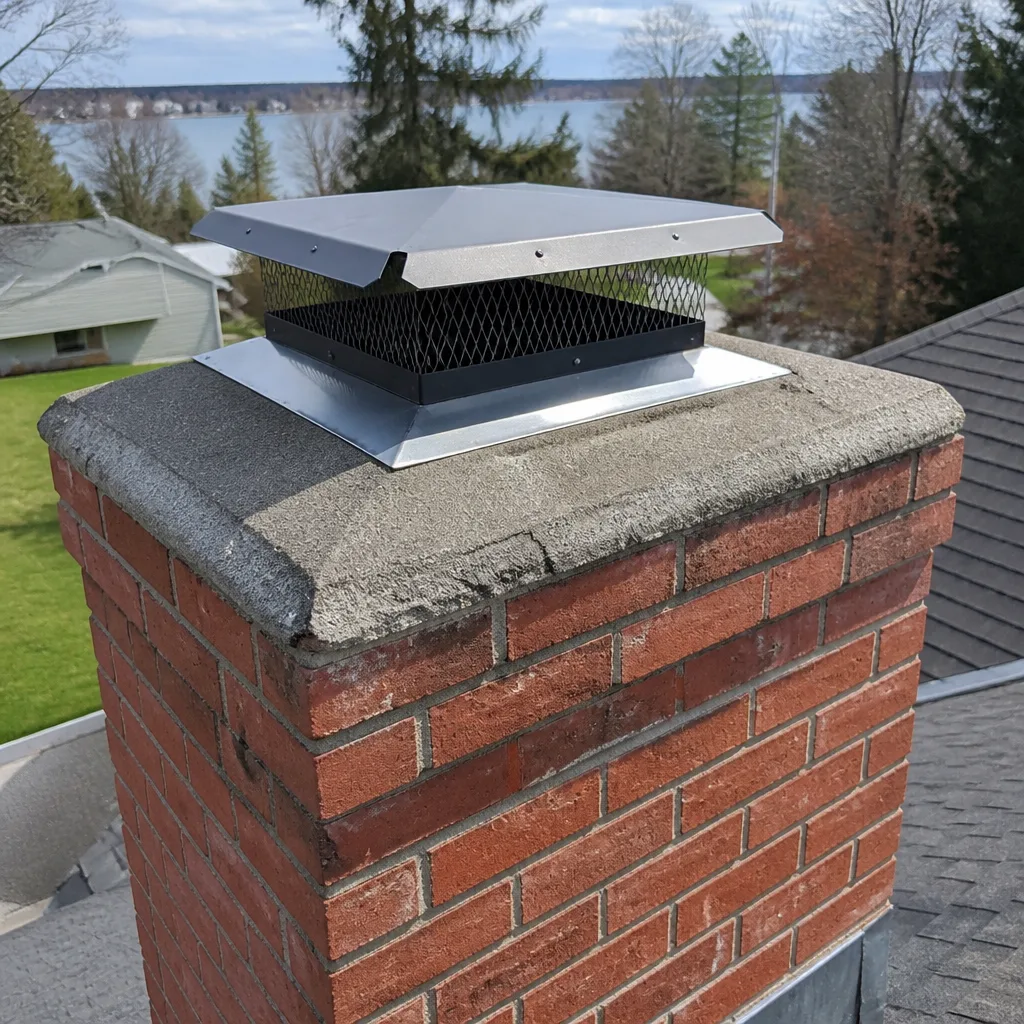 Sweep & inspection
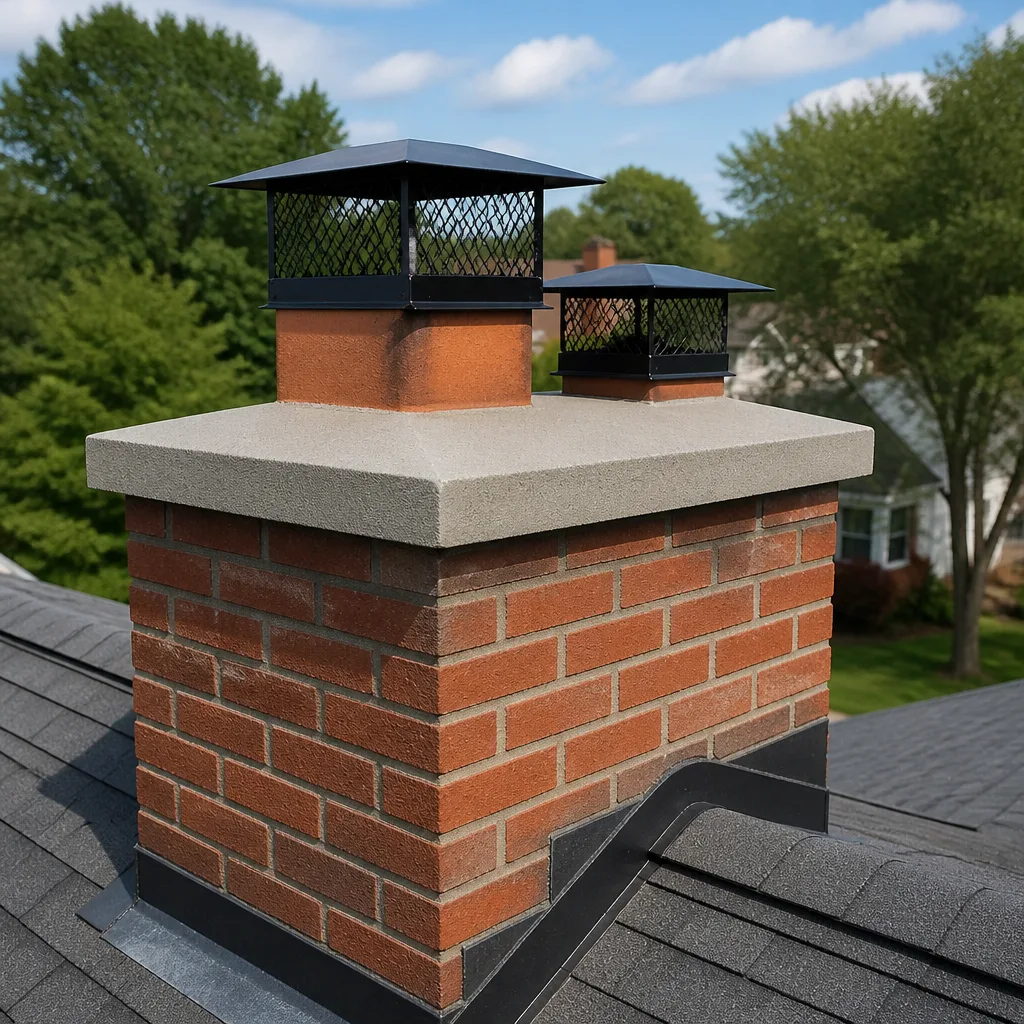 Caps & crowns
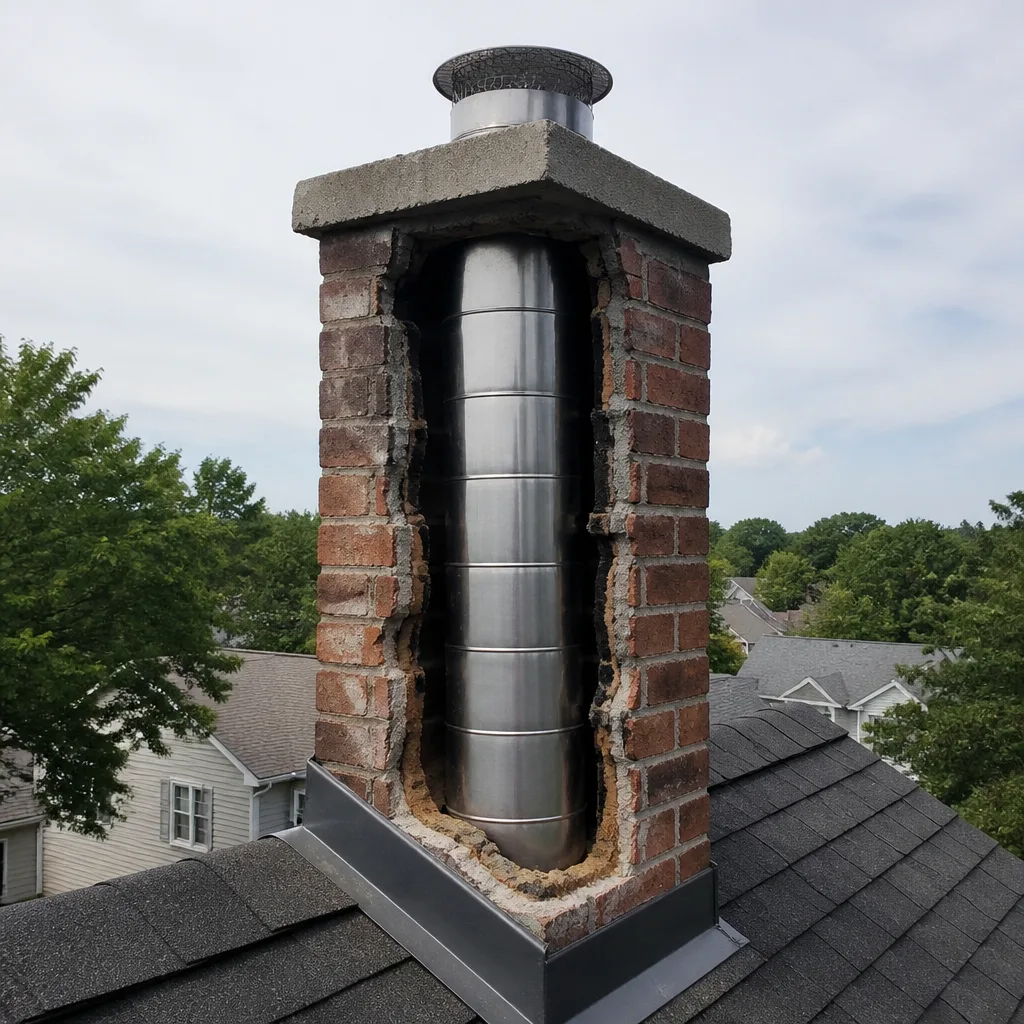 Flue relining
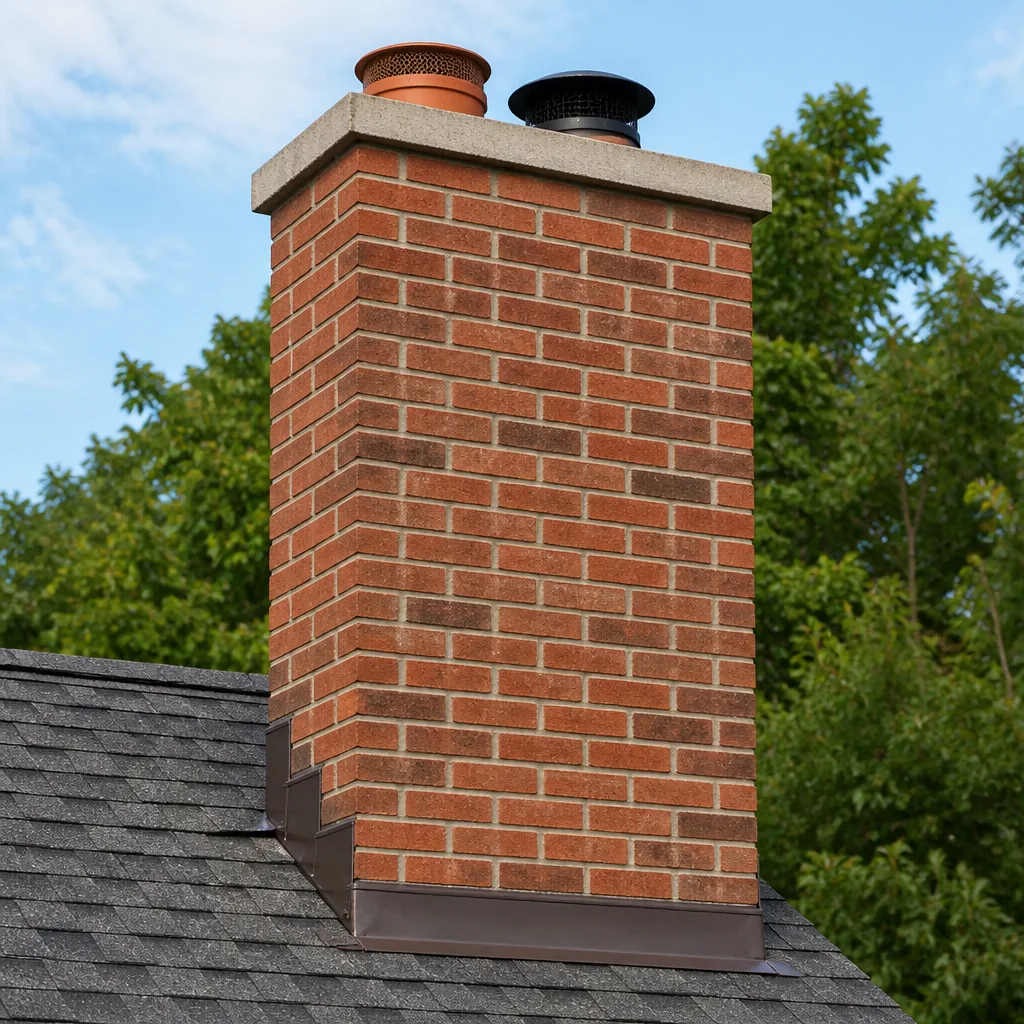 Masonry repair
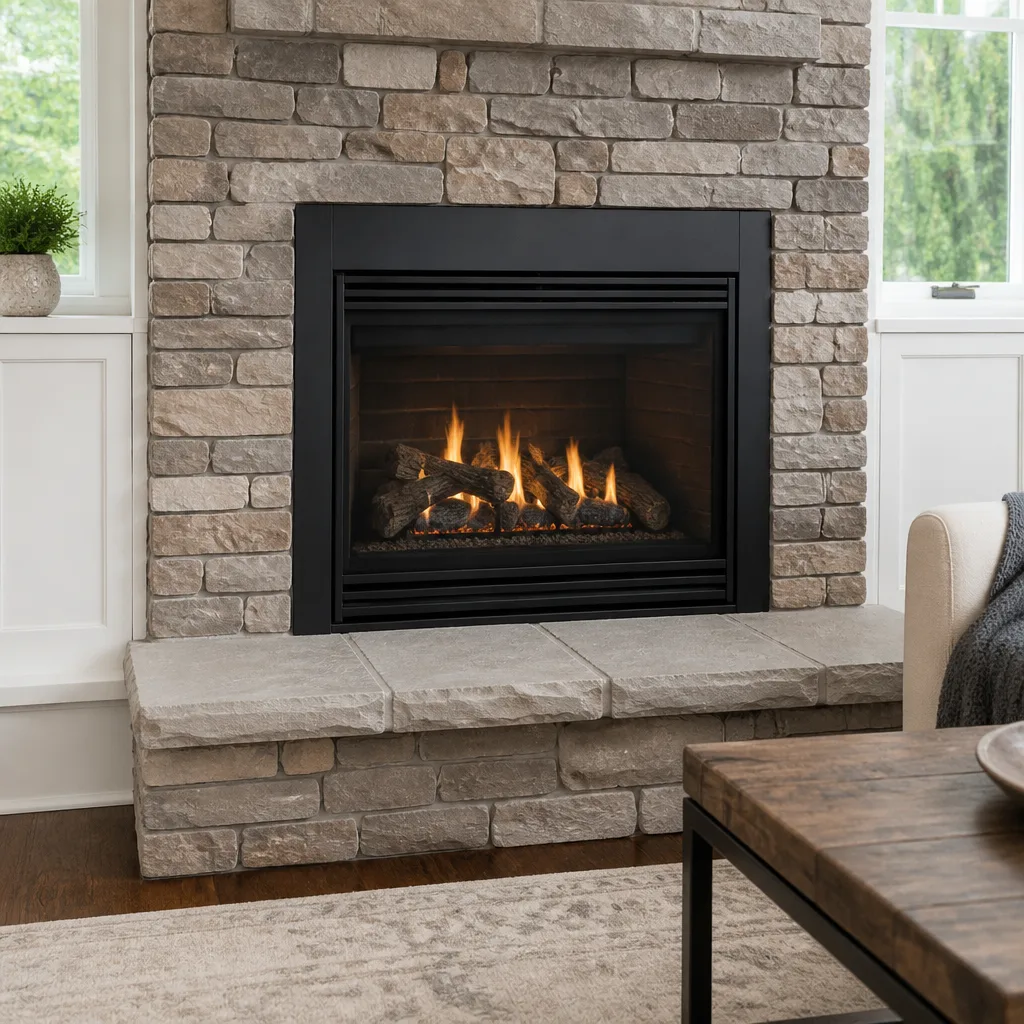 Gas fireplace service
Level 1 sweep and inspection to the NFPA 211 annual standard - flue, crown, cap, and flashing checked and photographed
Chimney sweep logs do not sweep chimneys. They loosen some creosote - which then falls where a brush and vacuum still have to collect it.
Chimney Cleaning Permits, Codes & Inspections in Downtown Santa Ana, CA: What You Need to Know
Here’s a point that surprises a lot of Downtown Santa Ana homeowners: a cleaning and a repair are treated very differently under California code. A chimney sweep who clears creosote is doing maintenance. That’s not the same job as one who retiles a cracked flue tile or cuts a crown down and pours a new one. The first needs no permit. The second may. And work done without the right permit can become a real problem down the road when your insurer or a buyer’s inspector starts asking questions. This guide draws the line where California Building Code draws it, explains what the City of Santa Ana Building Division actually reviews, walks through the NFPA 211 inspection levels, and shows you how to confirm that any repair you paid for was permitted and inspected.
Quick Answer
A standard chimney cleaning in Downtown Santa Ana usually needs no permit. Structural repairs, flue relining, crown replacement and anything that alters the chimney’s listed clearances or firebox typically fall under California Building Code Section R1001 and do require a permit from the City of Santa Ana Building Division. After any cleaning that turns up damage, a Level II inspection under NFPA 211 is the professional benchmark for documenting what’s actually wrong.
Styles & brands we work with
- Sweep & inspection
- Caps & crowns
- Flue relining
- Masonry repair
- Gas fireplace service
Table of Contents
- Which Chimney Tasks Count as Maintenance vs. Repair?
- What California Building Code Section R1001 Means for Your Chimney
- How the City of Santa Ana Building Division Handles Chimney Repair Permits
- NFPA 211: The Standard Inspectors Reference
- Level I, II and III Inspections Explained
- How to Verify Your Chimney Work Was Permitted and Inspected
- Why Downtown Santa Ana Chimneys Need Extra Attention
- When to Schedule Cleaning and Inspection in Downtown Santa Ana
Which Chimney Tasks Count as Maintenance vs. Repair?
The cleanest way to think about it: maintenance keeps the chimney working as built, repair changes it. A sweep that removes soot, creosote and debris from a flue is maintenance. So is inspecting the firebox, checking the damper and confirming the cap is intact. None of that work modifies a component, so it doesn’t cross the permit threshold.
Repair is different. The moment a technician replaces or resurfaces a flue liner, rebuilds the firebox, removes and reinstalls a prefabricated chimney section, or replaces a crown that’s part of the chimney’s structural weatherproofing, the job is an alteration to a building component. Under California Building Code Section R1001, those tasks fall into permit territory.
- No permit typically needed: annual sweep, creosote removal, Level I inspection, cap inspection, damper adjustment, minor firebox cleaning.
- Permit typically required: flue relining, firebox rebuild, crown replacement, chimney chase or framing repair, prefab chimney section replacement.
- Case by case: cap replacement can be maintenance if only the cap is swapped; it can trigger review if the work involves structural attachment to a masonry crown.
We see the confusion most often when a homeowner is told to replace a damaged tile liner segment during a routine Downtown Santa Ana chimney sweep. That’s a real repair, not a sweep task, and it should be scoped and permitted as such. Knowing the difference before the conversation starts is the difference between a maintenance visit and a permitted alteration.
What California Building Code Section R1001 Means for Your Chimney
Section R1001 is the portion of the California Residential Code that addresses chimneys and fireplaces: materials, clearance to combustibles, flue sizing, anchoring, and the requirement that altered or repaired chimneys be brought into compliance. Practically speaking, it’s the section a Santa Ana plans examiner opens when a repair permit lands on their desk.
What does that mean for you? Three things:
- Clearance to combustibles. Repairs that bring a flue liner closer to wood framing than R1001 allows are supposed to trigger a fix, not just a patch. Flexible liner systems like DuraFlex are designed with NFPA 211 clearance standards in mind, which is why material choice matters when a repair is permitted and inspected.
- Flue integrity. A repaired flue has to maintain continuous integrity from firebox to termination. The plan reviewer will look for that on the drawings.
- Documented compliance. When a permitted repair is inspected, the inspector is comparing installed work to the approved scope. Work done without a permit has no such comparison; nobody official has checked it.
This is where “It was just a liner” stops sounding minor. A liner replaced outside the permit process is an unpermitted alteration to the chimney system. If there’s ever a fire, a home insurer or a buyer’s inspector will look for evidence the alteration was legal. That’s not alarmism; it’s the risk you’re running when you skip paperwork.
Worth knowing: firebox repair is a task we run into constantly in Downtown Santa Ana homes, and it’s one of the tasks that straddles the maintenance/repair line. Learn more about what that work involves on our fireplace repair page.
How the City of Santa Ana Building Division Handles Chimney Repair Permits
The City of Santa Ana Building Division reviews residential chimney permits much like any structural or mechanical alteration: a scope of work and supporting drawings go in, a plan reviewer checks compliance with the California Building Code, a permit issues, and a field inspection is required at completion. For a straight liner replacement or crown rebuild on a single-family home, most permit reviews move quickly; complex jobs involving framing or a change of flue type can take longer. Your contractor is the right person to ask for the current timeline for your specific job.
Here’s the honest version of what tends to happen in practice, in our experience:
- Most routine sweeps never touch the permit process because they don’t need to.
- Repair work is permitted and inspected when the scope is clear and the contractor is licensed for the work.
- Repair work slides past permitting when it’s framed as “part of the cleaning” or when the scope wasn’t documented.
That last category is what we’re warning you about. Not every job has a shady contractor behind it; some are simply small repairs that were never properly scoped. But the outcome is the same: an alteration on your home with no inspection record. If a permit is being pulled for your job, the contractor should be able to hand you the permit number and the approved scope. If not, ask why.
Whether you’re a Downtown Santa Ana homeowner or a landlord responsible for tenant safety, that one question – “Will this repair be permitted, and can you show me the permit before work starts?” – filters a lot of scenario noise.
NFPA 211: The Standard Inspectors Reference
NFPA 211 is the National Fire Protection Association’s standard for chimneys, fireplaces, vents and solid fuel-burning appliances. It’s the benchmark that a competent chimney inspection is measured against, and it’s the standard that carries weight in a plan review or a post-repair inspection. When a technician tells you your chimney has a clearance problem or a failing liner, NFPA 211 is the reference they should be able to point to.
Understanding that gives you leverage. A recommendation without a standard behind it is opinion. A recommendation that says “your flue tile is cracked and clearance to the wood framing behind it is less than NFPA 211 allows” is verifiable. You don’t have to take the technician’s word for it; you can look at the camera footage and see the crack.
Our inspection services align with NFPA 211 Level I and Level II standards, and we document what we find with photos and camera footage you keep.
When a repair does go ahead, material choice is part of staying within that standard. Professional-grade liner systems – DuraFlex flexible liner, HeatShield resurfacing compound, weather-rated caps from Gelco or Olympia Chimney – are built to satisfy NFPA 211 clearance and performance requirements. Hardware-store substitutes rarely are. That’s not a knock on the hardware store; it’s a matter of engineered products doing an engineered job.
Level I, II and III Inspections Explained
NFPA 211 defines three inspection levels, and the level your chimney needs depends on what’s happening. After a cleaning reveals damage, the correct next step is almost always a Level II.
- Level I. A visual inspection of readily accessible portions of the chimney system: firebox, damper, accessible flue, cap, crown. Appropriate when a chimney is being maintained, or when a change of fuel or appliance isn’t being made. No camera scope is required.
- Level II. A visual inspection that includes the accessible portions plus camera inspection of the flue interior. Required after a chimney fire, after a change to the appliance or fuel type, after a building sale, and after any cleaning that reveals damage. This is the level that produces documentation of what’s actually inside the flue.
- Level III. A “readily accessible” inspection with portions of the chimney or building opened to access concealed areas. It’s the deepest level, and it’s typically called for only when a Level I or II inspection found a hidden problem that must be seen to be diagnosed.
After any cleaning that reveals damage, a Level II is the professional benchmark: camera inspection of the flue, photo documentation, and a written report. That’s the standard we work to. If a technician tells you a repair is needed but doesn’t want to run a camera scope first, press the point. A photo of the actual damage changes the conversation from “trust me” to “look at this.”
Our Chimney Sweep Downtown Santa Ana page walks through what’s included in a documentable inspection, and our chimney cap & crown work is finished to the same standard. Every part of the system should be inspected, scheduled, and repaired as one job.
How to Verify Your Chimney Work Was Permitted and Inspected
Verification is straightforward, and it should be your habit before you make a final payment on any chimney repair. Here’s the process we recommend:
- Get the permit number in writing. This should appear on your contract or invoice, not “in the office somewhere.” If the contractor can’t produce it, the work wasn’t permitted.
- Confirm the permit covers the actual scope. A permit for “masonry repair” doesn’t cover a liner replacement. Ask to see the scope of work attached to the permit.
- Check the City of Santa Ana Building Division’s records. Your permit number can be looked up in the city’s permit system. Confirm the permit was issued and what it authorized.
- Confirm the final inspection was scheduled and passed. A permit without a passing inspection is an open permit. Ask for the inspection result, in writing.
- Keep the documentation. The permit number, inspection record and the inspection report with photos belong in your home’s records. A future buyer’s inspector will ask for them, and a homeowner after a fire will be very glad to have them.
That’s the entire process, and it takes a few minutes. The reason it matters goes back to the opening point: an unpermitted alteration can create problems with your insurer and complicate resale. On the resale side, most lenders and buyers’ inspectors look for evidence of permitted improvements; a chimney with an unpermitted liner replacement in its history is a flag. Do the paperwork, or insist that the contractor does.
Why Downtown Santa Ana Chimneys Need Extra Attention
Downtown Santa Ana’s housing stock is varied: older bungalows and Spanish-style homes near the downtown core, newer construction mixed in, and a lot of properties where original chimneys have been modified over the decades. Mature trees in the older neighborhoods drop debris into caps, and the region’s air quality in the cooler months means many homeowners burn a little more than they intended. None of that changes the code, but it changes what a sweep actually finds.
Two local pattern points worth knowing:
- Caps in older homes. A cap that’s been in place for decades can be missing or non-functional. When a sweep turns one up, the fix is often a cap and crown job rather than a full chimney repair. On a Downtown Santa Ana home, a proper cap is a masonry or prefab crown cap sized to the flue, not a thin sheet metal lid.
- Flues in converted space. Some Downtown Santa Ana homes have chimneys that were adapted during past renovations; a flue draft that “seems weak” or a firebox that’s been modified is a signal to inspect, not to clean and move on.
Cool-season use here is steady rather than extreme, so the maintenance cadence matters more than the season length. A sweep and inspection before the burning season starts, then a camera check if anything looked off, keeps the system on the right side of both NFPA 211 and Section R1001.
When to Schedule Cleaning and Inspection in Downtown Santa Ana
Book the annual sweep in the late summer or early fall, before the first big burn of the season. That way any repair a Level II inspection turns up can be scoped, permitted and completed before you’re relying on the fireplace for warmth. If your neighborhood is one where fall winds push leaf litter and seed pods onto roofs, a cap inspection right after that season is a good habit.
If you’re a landlord or property manager, build the inspection into your tenant safety schedule as a documented item with a photo report kept on file. For a home purchase or sale in Downtown Santa Ana, a Level II inspection before closing is the prudent step; it gives the seller documentation and the buyer clarity on what’s a repair versus what can safely wait.
What does a typical job look like? A sweep and Level I inspection on a regularly serviced chimney takes well under an hour. A Level II adds camera inspection time. If damage is found and a repair is scheduled, the permit application, plan review and inspection timeline is what determines the calendar – typically days to a few weeks depending on city review, not the work itself.
Common Mistakes to Avoid
- Assuming “cleaning” covers repairs. A sweep is maintenance. A liner replacement is an alteration. Knowing which category your job falls into before work begins is what keeps the project clean.
- Accepting a repair recommendation without camera evidence. You should see the actual crack or failed joint in the flue before agreeing to a repair. Photo documentation protects both you and the technician.
- Paying in full before the final inspection passes. Hold the final payment until the permit inspection is documented. It’s the strongest incentive you have.
- Skipping the permit because the job “feels small.” Any alteration to the flue or firebox is a code-category job, whether it feels small or not.
- Hiring a generalist for chimney work. Chimney work sits at the intersection of code, standards and materials; a handyman can install a cap and still miss a clearance problem. Ask who’s doing the actual work.
- Ignoring a missing cap. A missing or non-functional cap is a fast path to water entry, debris accumulation and a chimney that fails sooner than it needed to.
- Not keeping the inspection report. The report with photos is a document you’ll want on hand at resale or after any incident. Keep it with your home’s records.
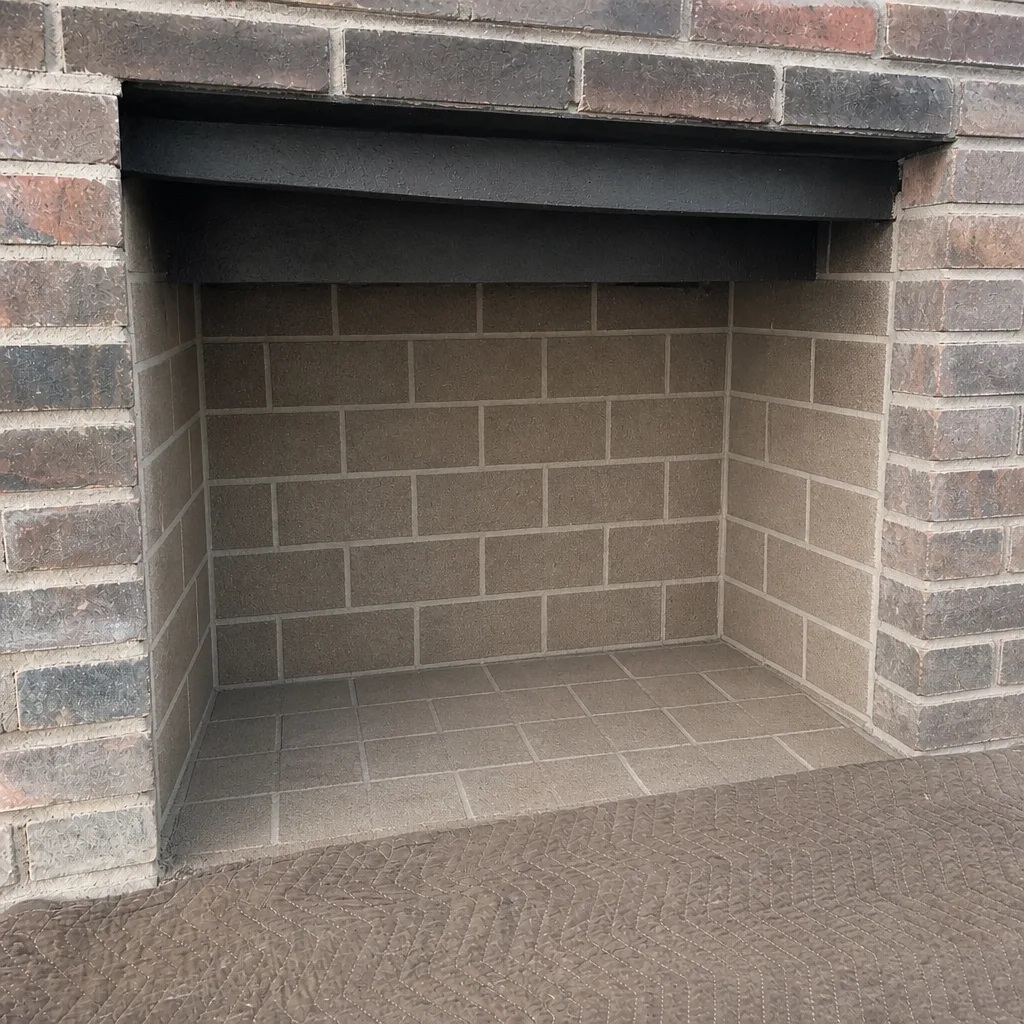
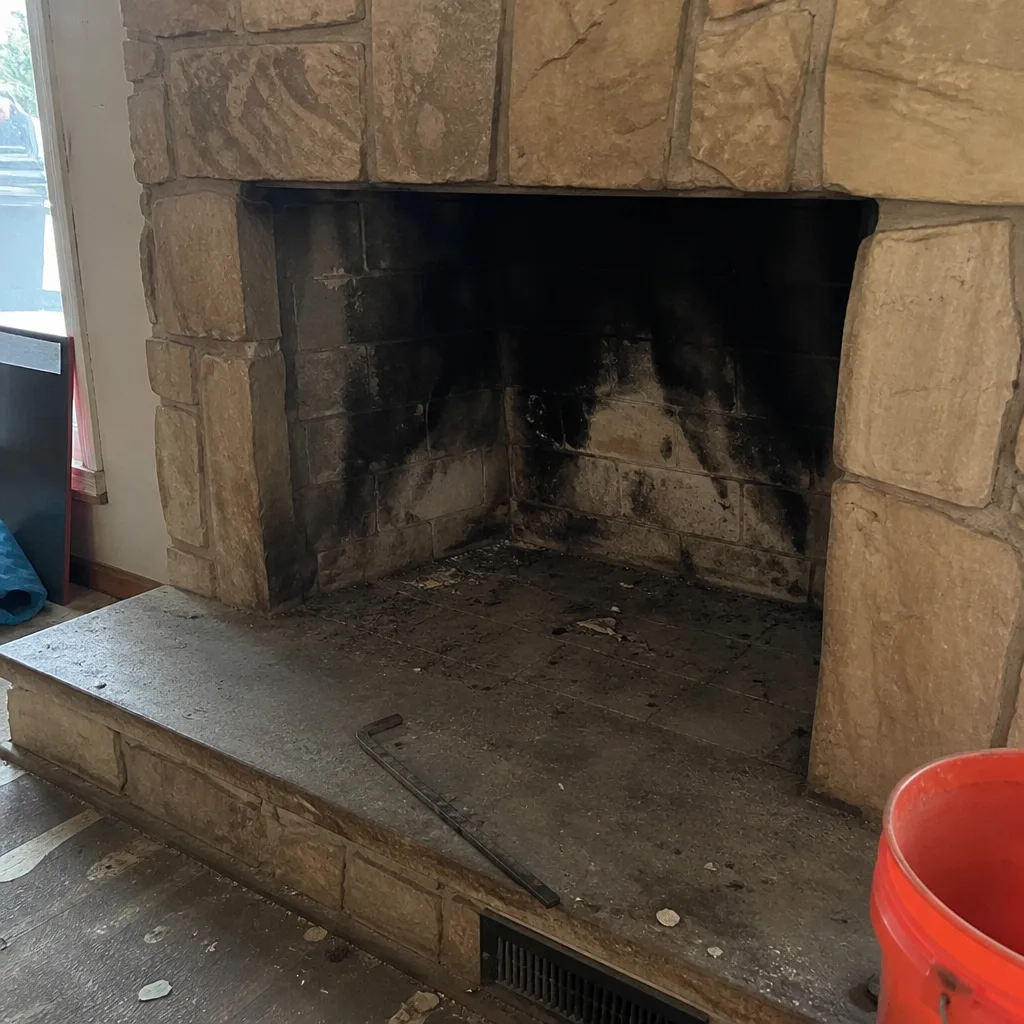
See the difference
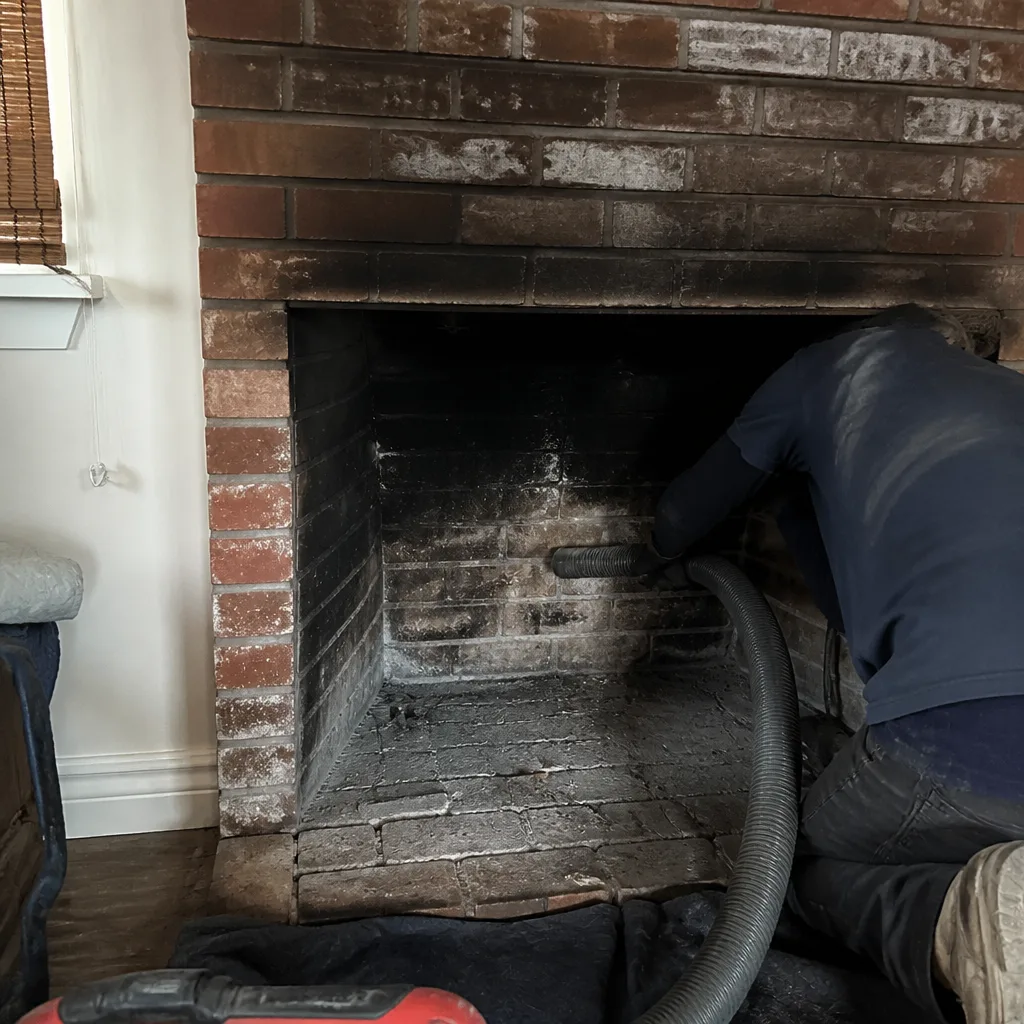 Before
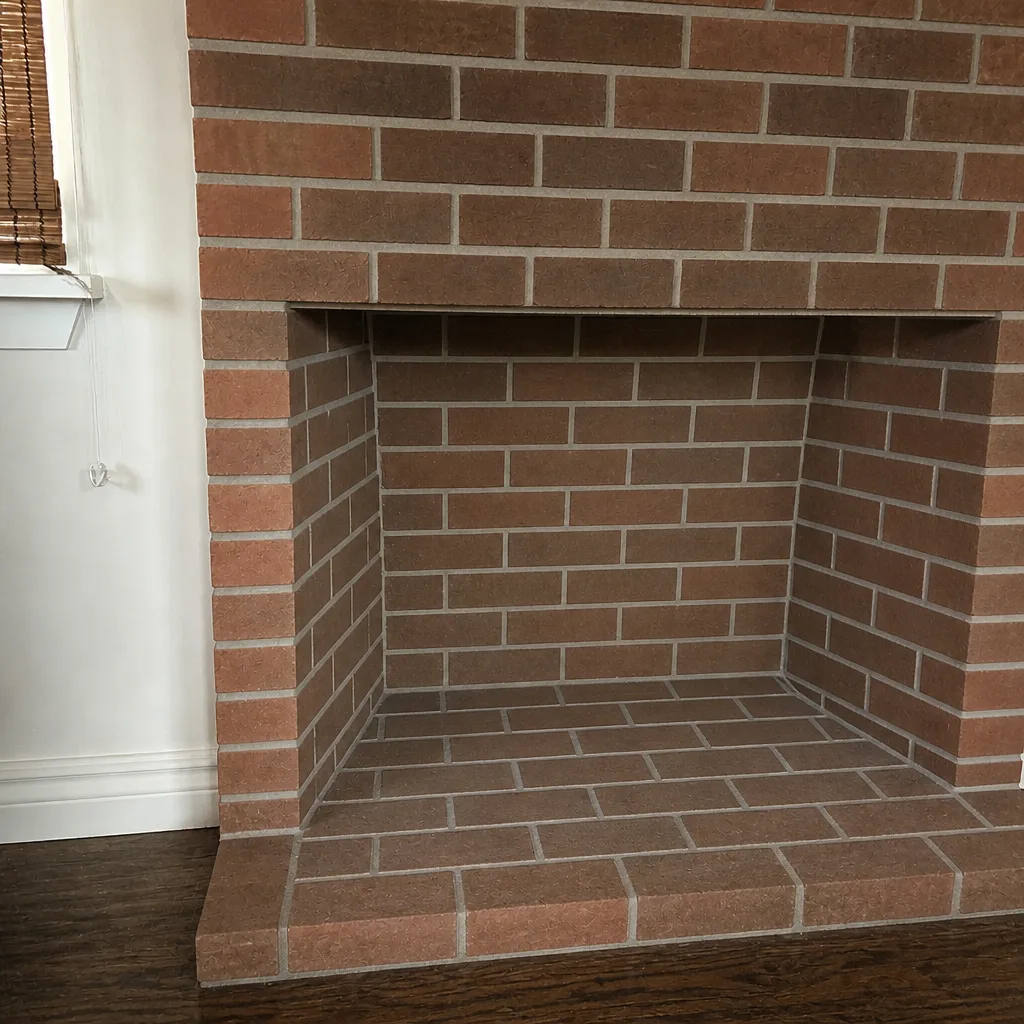 After
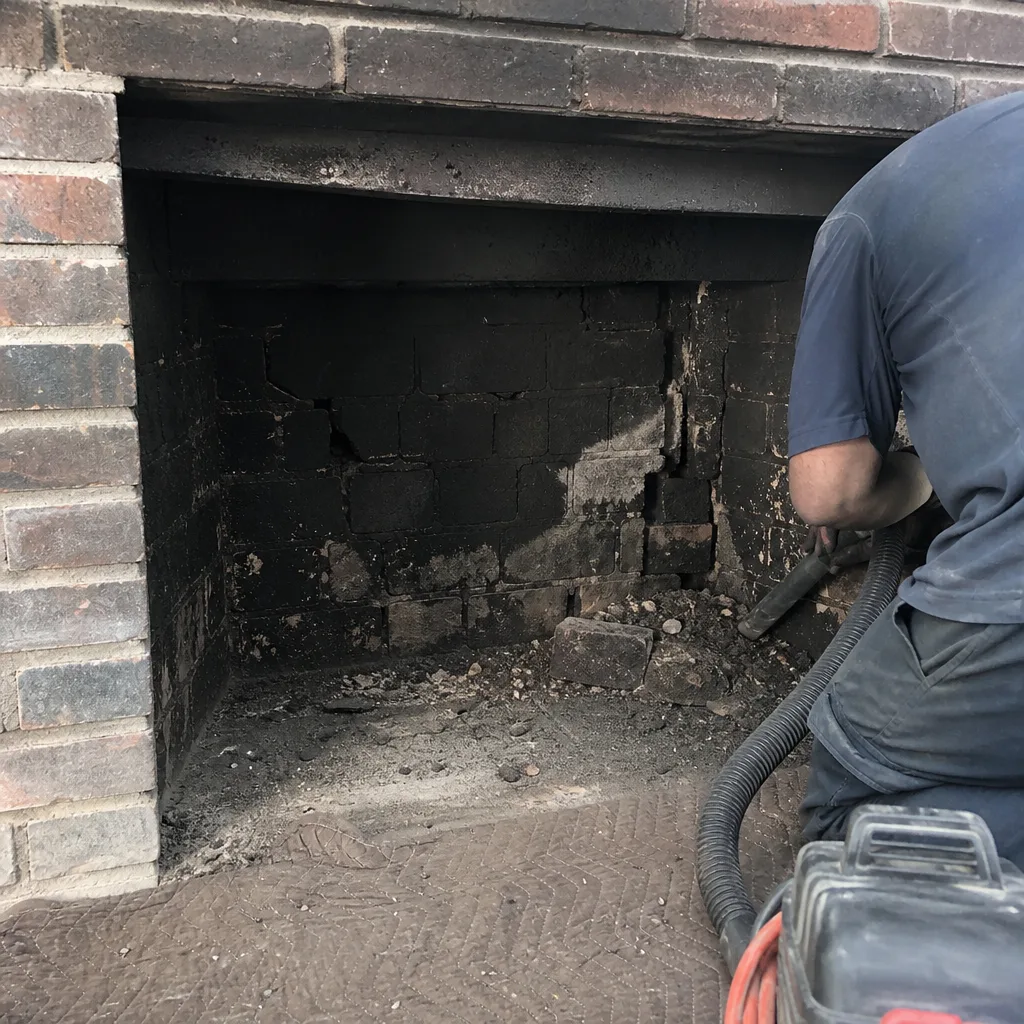 Before
 After
 Before
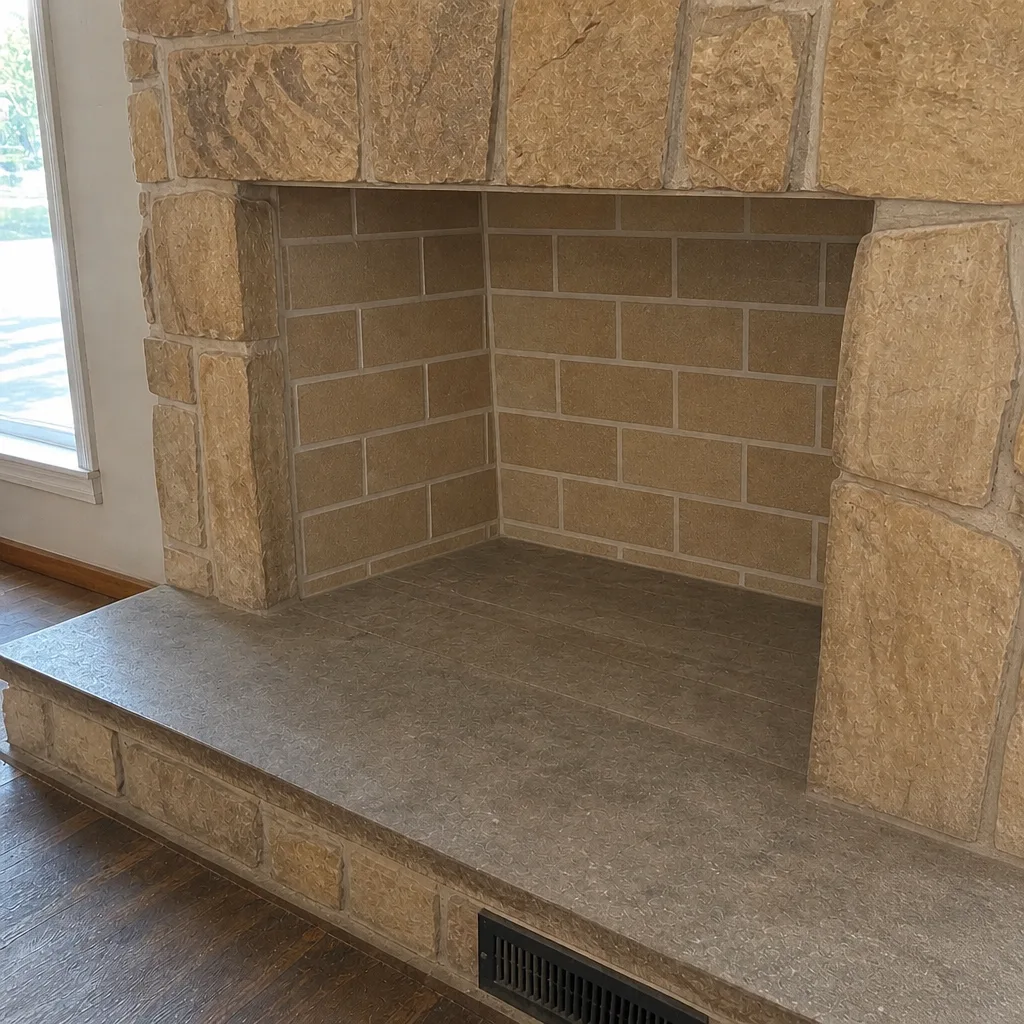 After
When to Call a Professional
Call a professional for any chimney work involving the flue interior, the firebox, the crown or the chimney’s structural attachment. Those are the tasks that cross from maintenance into repair and carry real code and safety weight. Also call when a cleaning turns up damage you can’t see with your own eyes, when you’re buying or selling a Downtown Santa Ana home, when you’ve moved into a home with an unknown chimney history, or when you’re a landlord documenting compliance. The high-tension springs and cables in a garage door, gas lines and electrical panels are all components where a trained professional is the only appropriate choice – chimneys deserve the same standard. Chimney Sweep Downtown Santa Ana offers free estimates in Downtown Santa Ana – call (866) 947-9102. We answer 24/7. Fast dispatch from 7am to 7pm, Sunday through Friday.
Frequently Asked Questions
No – a routine sweep doesn’t require a permit in Downtown Santa Ana or anywhere else in California, because cleaning is maintenance, not an alteration. What does require a permit is any repair that changes the chimney system: relining the flue, rebuilding the firebox, replacing the crown, or repairing structural framing. Call (866) 947-9102 if you’re not sure which category your job falls into – estimates are free.
A standard sweep for a single flue typically runs in the low-to-mid hundreds of dollars, with the written estimate setting the final price before work begins. The range depends on flue length, access, and whether a camera inspection is included. Ask for the written estimate up front, and confirm what the price covers. Call (866) 947-9102 for an exact quote – estimates are free.
A Level II inspection under NFPA 211 is the standard benchmark after any cleaning that reveals damage, because it includes camera inspection of the flue interior and produces a documented report with photos. A Level I won’t show you a cracked tile you can’t see from outside. Level III is called for only when a Level I or II inspection identifies a concealed problem that requires opening the chimney. Call (866) 947-9102 to book a Level II and see the footage for yourself.
It can. An unpermitted alteration to your chimney creates a gap between what your home’s records show and what’s actually installed, and that gap can be a problem if your insurer or a buyer’s inspector starts asking for paperwork. The fix is to insist that any repair be permitted and inspected before you pay in full, and to keep the permit number and inspection report with your home’s records. Call (866) 947-9102 if you need to verify or document existing work.
Once a year for a regularly used fireplace is the standard cadence, and any time you change fuel type or see staining, odor or draft problems. The annual sweep is also when the inspection happens, so it keeps your documentation current. If you’re a landlord, put it on a schedule and keep the report on file. Call (866) 947-9102 to get on the schedule before burning season.
Yes. We handle the full chimney system in one visit: sweep, inspection, cap and crown work, and structural repair, so you don’t have to coordinate multiple contractors for one job. Cap and crown work uses professionally specified components – Famco, Gelco, Olympia Chimney – sized for your flue rather than off-the-shelf substitutes. Call (866) 947-9102 for a written scope and estimate.
Creosote accumulates, and a heavily loaded flue is harder to inspect and harder to burn safely. The risk isn’t hypothetical: chimney fires are a real hazard when deposits build up, and they can damage the flue without anyone noticing. It’s a low-cost problem to prevent and a much more expensive one to repair. Call (866) 947-9102 to get on the schedule.
Yes, with evidence. A Level II inspection with camera footage will show the condition of the liner tile by tile, and the report will tell you whether replacement or HeatShield liner restoration is the right path. HeatShield is a professional resurfacing system that extends the life of an aged flue without a full reline, which is often a smaller project than a replacement – and it’s worth asking whether it’s an option for your chimney.
The Bottom Line
Chimney cleaning in Downtown Santa Ana is maintenance and needs no permit. Chimney repair is a code-category alteration under California Building Code Section R1001 and does. NFPA 211 is the standard your inspector should be working to, and a Level II inspection with camera footage is the benchmark after any cleaning that finds damage. Verify your contractor’s permit number and final inspection before you pay in full, and keep the paperwork. If a repair is recommended, ask to see the evidence; you should never be asked to trust a camera shot you haven’t seen. Everything else in the chimney – flues, caps, crowns, fireboxes – fits together as one system and should be scoped as one job.
If any of that raised a question about your own chimney, call us. We’ll scope the work, show you the findings, and tell you plainly what can safely wait. Call (866) 947-9102 for a free estimate. We answer 24/7. Fast dispatch from 7am to 7pm, Sunday through Friday.
Written by the team at Chimney Sweep Downtown Santa Ana.