
Last updated November 25, 2026
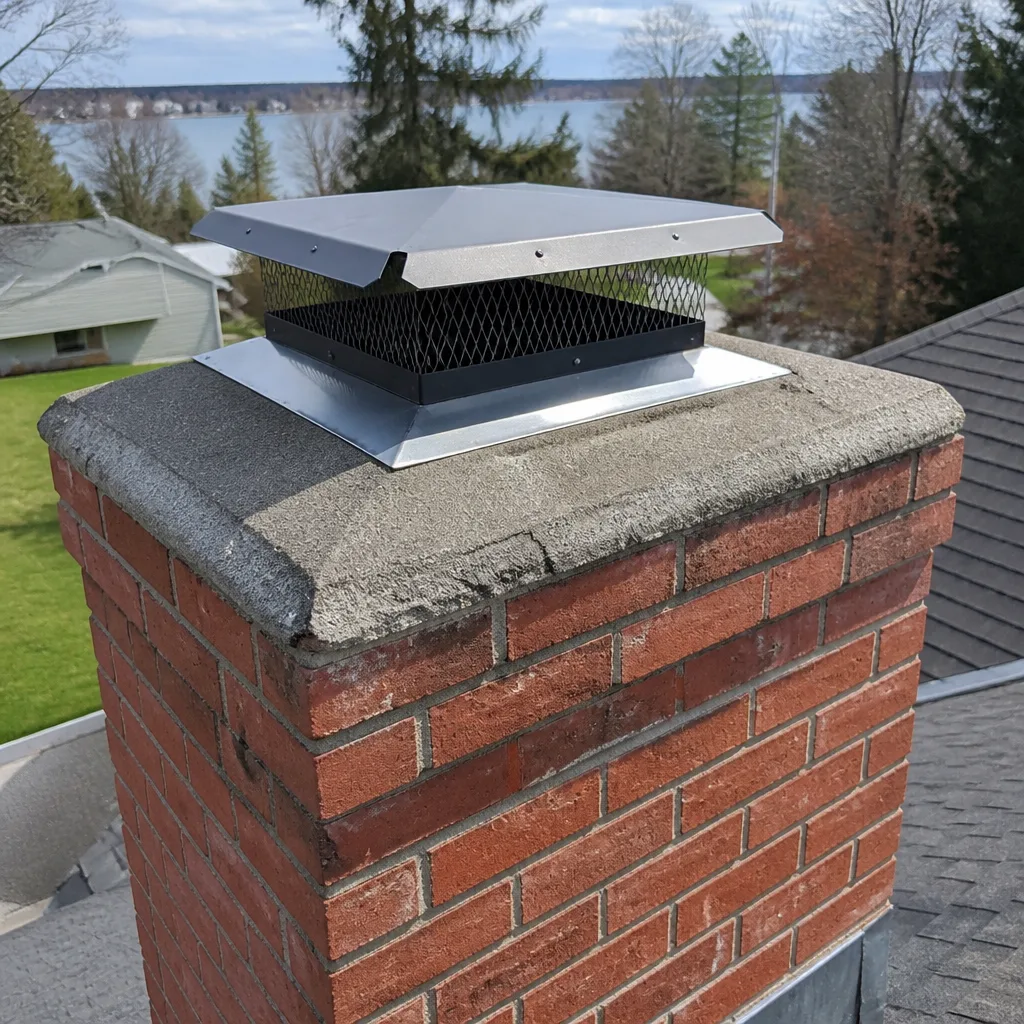 Sweep & inspection
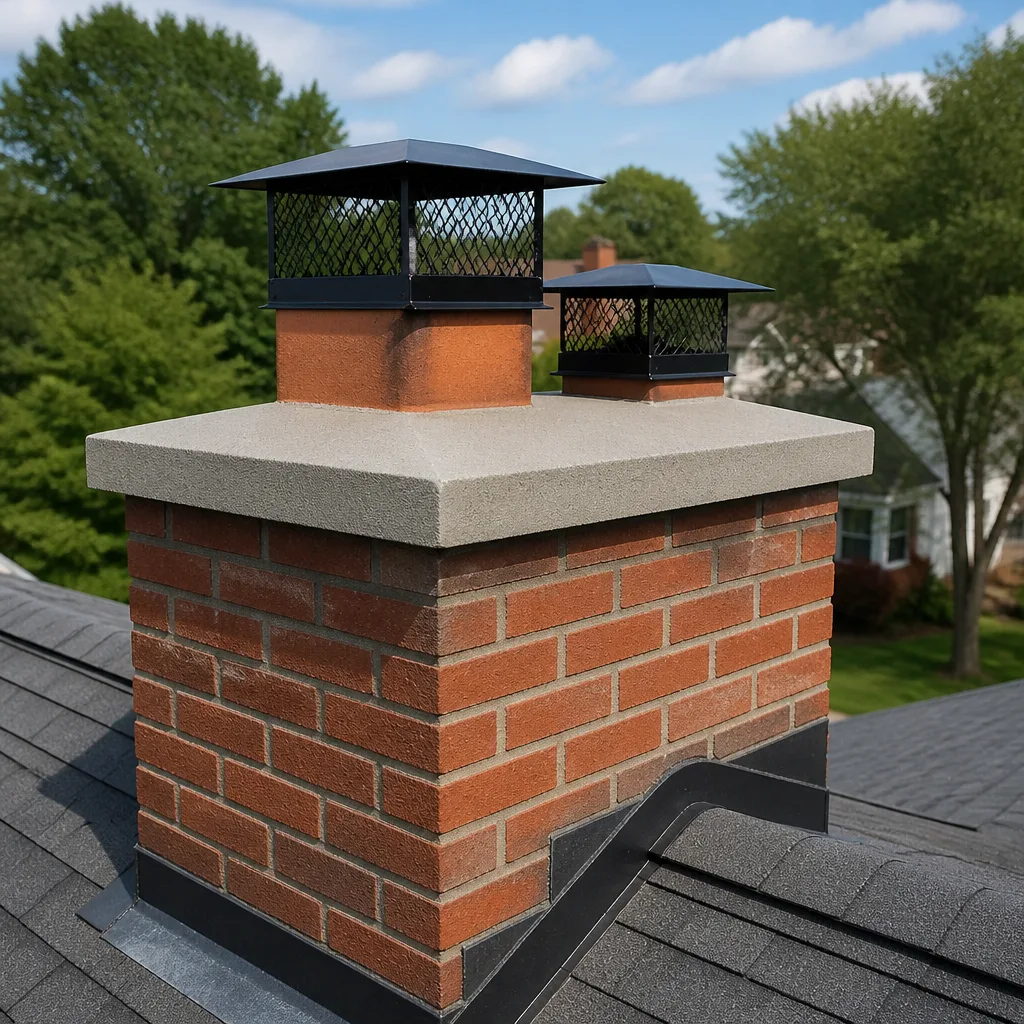 Caps & crowns
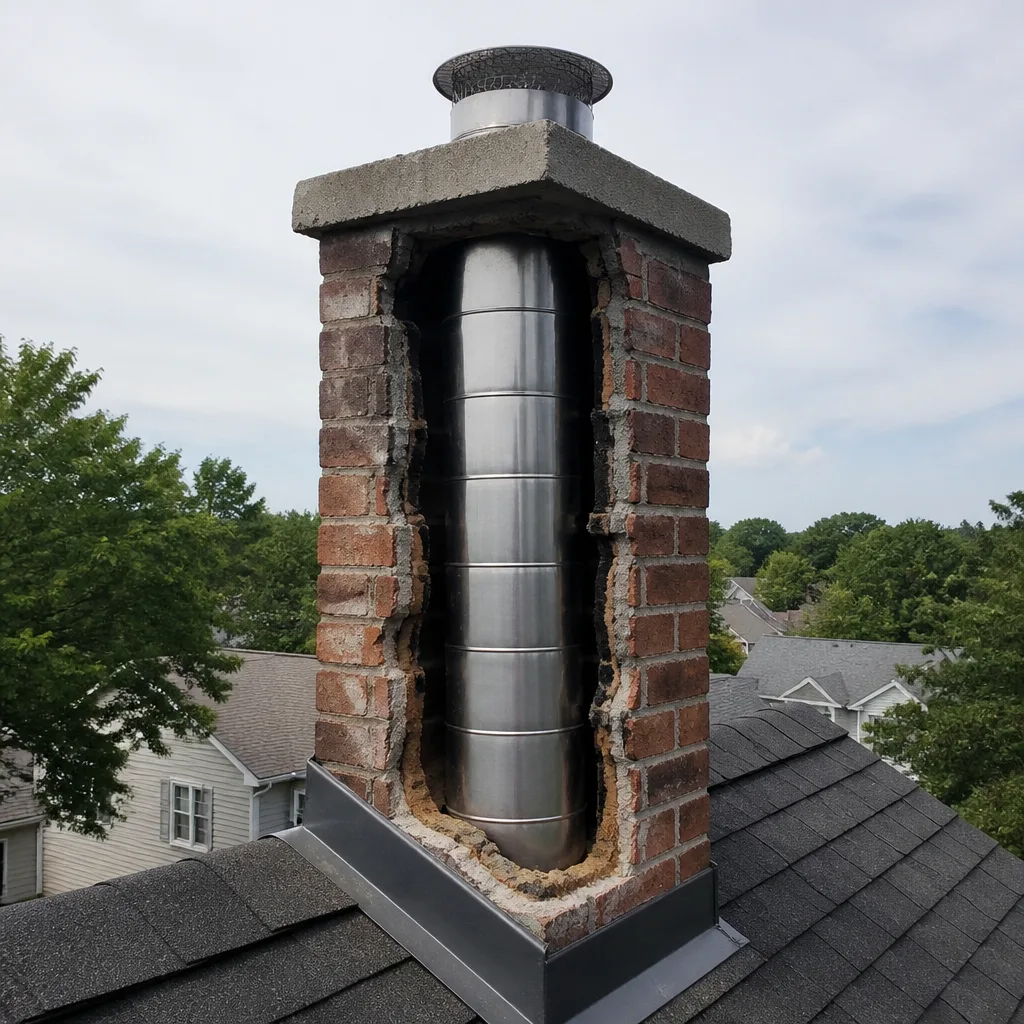 Flue relining
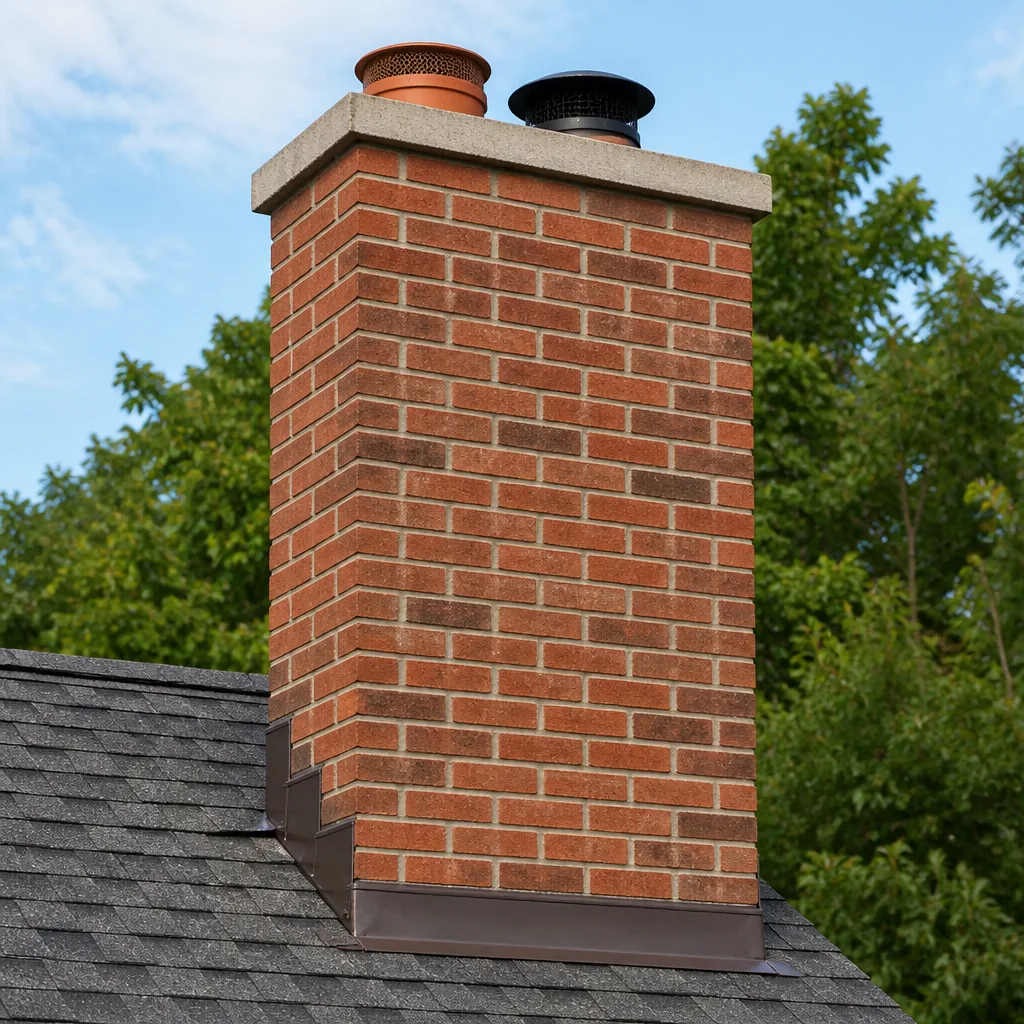 Masonry repair
 Gas fireplace service
Level 1 sweep and inspection to the NFPA 211 annual standard - flue, crown, cap, and flashing checked and photographed
Chimney sweep logs do not sweep chimneys. They loosen some creosote - which then falls where a brush and vacuum still have to collect it.
Chimney Sweep Maintenance Checklist for Downtown Santa Ana Homeowners
If your chimney maintenance checklist doesn’t mention the smoke chamber shelf, you’re skipping the spot where Stage 2 creosote most commonly hides in a low-use Southern California fireplace. Most checklists floating around online were written for a house that burns wood five months a year through a hard winter, and they stop at “sweep the flue, check the cap.” A Downtown Santa Ana chimney works differently: lighter burning, older housing stock, palm debris, and the occasional seismic shake that cracks a crown before the firebox ever sees trouble. This guide gives you a component-by-component checklist organized around the actual failure points we look at during an inspection, so you know what to check yourself and what to leave to a professional.
Quick Answer
A complete chimney maintenance checklist for a Downtown Santa Ana home covers seven components in order: cap, crown, flashing, liner, smoke shelf, smoke chamber, and firebox. Check the homeowner-visible parts (cap, crown, masonry, damper movement) once a season, and have a professional inspect the sweep-only parts (liner integrity, smoke chamber coating, flue deposits) once a year if you burn regularly. Document every item with a photo and date so you have a service history on hand.
Styles & brands we work with
- Sweep & inspection
- Caps & crowns
- Flue relining
- Masonry repair
- Gas fireplace service
Table of Contents
- Why a Downtown Santa Ana Chimney Needs Its Own Checklist
- The Seven Components: A Full Checklist
- What You Can Check Yourself vs. What Only a Sweep Can Assess
- Local Factors That Belong on Your Checklist
- Red Flags: Stop Using the Fireplace vs. Use It Until Service
- How to Document and Date Each Item
- When to Schedule Each Check
- Common Mistakes to Avoid
Why a Downtown Santa Ana Chimney Needs Its Own Checklist
A chimney in Downtown Santa Ana fails differently than one in a colder climate. The winters here are mild, so fireplaces get lighter, more occasional use. That sounds like good news, and in some ways it is. But light use creates a specific pattern: deposits build slowly, homeowners assume the flue is fine because they only burn a few cords a season, and the real damage happens quietly in the parts nobody looks at until there’s a problem.
Add the local housing stock. Downtown Santa Ana has a lot of older homes, many with original or semi-original chimney construction. Older flues were often built to dimensions and clearances that don’t match today’s expectations, and a low-use fireplace can hide a cracked smoke chamber coating for years. That’s why the professional benchmark here is NFPA 211, the National Fire Protection Association standard that defines inspection levels and clearance requirements. Our inspection services align with NFPA 211 Level I and Level II standards, which gives you documented proof of condition rather than a verbal “looks fine.”
The other reason this checklist matters: a lot of maintenance work on a Downtown Santa Ana chimney is genuinely preventive. You are not chasing a winter emergency. You’re catching the crown crack, the loose cap, or the deteriorating liner early, when it’s a small fix instead of a structural one. When you’re ready for a hands-on assessment, our chimney sweep in Downtown Santa Ana service covers the full system in one visit.
The Seven Components: A Full Checklist
This is the core of the guide. A chimney is a system, not a tube, and every component has a specific failure mode. Here’s what to look for at each one, in the order a professional inspection usually follows.
1. Chimney Cap
The cap sits on top and keeps rain, animals, and debris out of the flue. Check that it’s firmly attached, that the mesh or screen isn’t rusted through or torn, and that it’s sized correctly for the flue opening. A cap that’s too small lets water in; one that’s oversized can restrict draft. We stock and install Famco and Gelco chimney caps and venting components so the fit is precise rather than an off-the-shelf guess.
2. Crown
The crown is the concrete or masonry surface at the very top that sheds water away from the chimney. Look for visible cracks, spalling (flaking), or a crown that has pulled away from the flue. A cracked crown is one of the most common causes of water damage to a chimney, and in Downtown Santa Ana it’s worth checking after any noticeable seismic activity. Crown repair is part of our chimney cap & crown work, and it’s usually a straightforward fix when caught early.
3. Flashing
Flashing is the metal that seals the joint where the chimney meets the roof. Check for lifted, rusted, or missing flashing and for gaps where water can get in. Flashing is a frequent leak point, and it’s often the real culprit when a homeowner assumes the chimney itself is leaking.
4. Liner
The liner protects the surrounding structure from heat and corrosive flue gases. This is a sweep-only assessment: you can’t accurately judge liner integrity from the ground or from inside the firebox. A professional will scope the flue and check for cracks, gaps, and deterioration. If the liner is aging but still structurally sound, HeatShield liner restoration is a resurfacing option that extends the flue’s life without the cost of a full reline. When replacement is the right call, DuraFlex flexible liner systems are designed to meet NFPA 211 clearance standards, which matters especially in older, irregularly shaped flues.
5. Smoke Shelf
The smoke shelf is a flat ledge just behind the damper that helps redirect smoke up the flue. It’s also where creosote and debris collect, especially in low-use fireplaces. Check that it’s clear and that there’s no buildup or damage. It’s not a spot most homeowners can see, which is exactly why it belongs on a professional sweep.
6. Smoke Chamber
The smoke chamber is the sloped area between the firebox and the flue. This is the item most generic checklists miss, and it’s where Stage 2 creosote most commonly hides in a Downtown Santa Ana fireplace. The chamber should have an intact, properly applied coating. If it’s rough or unsealed, creosote and moisture can cling to it and accelerate deterioration. A sweep will assess the coating and note any need for repair.
7. Firebox
The firebox is where the fire actually burns. Look for cracked or loose firebrick, deteriorated mortar joints, and any gaps that let heat reach the surrounding structure. If you use the fireplace regularly, this is the component most likely to show visible wear. Fireplace repairs to the firebox belong with a specialist who can match materials to the existing construction, which is part of our fireplace repair service.
What You Can Check Yourself vs. What Only a Sweep Can Assess
Splitting the checklist into “you” and “us” keeps you safe and saves you money. Some checks are genuinely within reach for a careful homeowner with a flashlight and a pair of binoculars. Others require equipment, access, and the training to interpret what you’re seeing. Here’s the practical split.
Homeowner-visible checks
- Cap condition: Look up with binoculars. Is the cap attached, is the mesh intact, is anything loose?
- Crown: From the ground, look for obvious cracks or a crown that’s pulling away.
- Exterior masonry: Check for cracks, spalling, or staining on the chimney’s exterior.
- Flashing: Look at the roofline joint for lifted or rusted metal.
- Damper movement: Open and close the damper. It should move smoothly and seal properly.
- Firebox: Look for cracked firebrick or crumbling mortar joints.
Sweep-only assessments
- Liner integrity: Requires scoping the flue. You cannot judge this from outside.
- Smoke shelf and smoke chamber: Requires access and the training to read creosote patterns.
- Flue deposits and creosote stage: A sweep determines the creosote level and whether it needs removal.
- Clearances and structural condition: Requires measurement against the NFPA 211 benchmark.
One safety note before you climb anything: a chimney inspection involves heights and, in some cases, working near hot components. If you’re not comfortable on a roof or ladder, don’t do it. The visible checks from the ground are enough for a homeowner. Leave the rest to a trained professional.
Local Factors That Belong on Your Checklist
A checklist copied from a cold-climate guide won’t mention the things that actually affect a Downtown Santa Ana chimney. These are the local additions that belong on yours.
Palm debris in the flue
Palm fronds, seed pods, and dry debris are a real presence in Southern California and find their way onto roofs and into caps. Debris packed into the flue or blocking the cap mesh restricts draft and creates a fire hazard. Check the cap and the area around the chimney top after windy periods.
Seismic activity and crown cracking
A seismic shake doesn’t need to be dramatic to crack a masonry crown. After any noticeable seismic activity, add a crown and masonry inspection to your checklist. A small crack left alone lets water in, and water is the slow enemy of a masonry chimney.
Year-round sun and moisture on exterior components
The exterior of a Downtown Santa Ana chimney sees strong sun and seasonal moisture. That combination is hard on metal components like flashing and cap hardware, and it accelerates spalling on masonry. Add a visual exterior check at the start of each burning season.
Low-use burning patterns
Because the fireplace is used less, deposits build slowly and can be easy to underestimate. A fireplace used lightly can still accumulate creosote over time, and the smoke chamber coating can deteriorate quietly. That’s why the annual professional assessment matters even if the fireplace doesn’t get heavy use.
Red Flags: Stop Using the Fireplace vs. Use It Until Service
Knowing the difference between “stop now” and “schedule service” is one of the most useful things a homeowner can take from this guide. Here’s how we categorize the items on the checklist.
Stop using the fireplace and call a professional
- A damaged or compromised liner, or any evidence of flue damage that could let heat reach the structure.
- Cracked or crumbling firebox walls with gaps that expose the surrounding structure.
- Heavy creosote buildup, or creosote that a sweep classifies at a stage requiring removal.
- A cap that’s missing or badly damaged, leaving the flue open to water and animals.
- Any smell of smoke in the house when the fireplace isn’t in use, or a damper that won’t seal.
Can wait until the next scheduled service
- A hairline crack in the crown with no evidence of water intrusion.
- A cap that’s slightly loose but still in place.
- Normal surface wear on exterior masonry without spalling or staining.
- Firebox mortar joints that are intact but showing age.
When in doubt, treat it as a stop condition until a professional has looked at it. The cost of being cautious is a service call; the cost of being wrong is a hazard.
How to Document and Date Each Item
A checklist without dates is just a list. Documentation is what turns maintenance into a service history, and a service history is genuinely useful when you sell, insure, or hand off a property. Here’s a simple system.
- Set up a single log. A spreadsheet or a binder works. One row or page per inspection, sorted by date.
- Record each component. For every item on the seven-component checklist, note the condition (good, monitor, needs repair) and the date checked.
- Attach a photo. A photo of the cap, crown, and firebox on each visit creates a visual record. Photos from a roof view are best if you’re comfortable; otherwise, ground-level shots are still useful.
- Keep professional reports. A professional inspection report should note condition and any items to monitor. File it with the log.
- Note the date of the last professional sweep. That single entry tells a future buyer or insurer when the chimney was last evaluated.
This matters for landlords and property managers in Downtown Santa Ana especially. Tenant safety compliance depends on a documented history, not a verbal “we had it looked at.” A dated, photo-backed log is the simplest way to demonstrate that each item has been checked and addressed. Our chimney sweep and inspection visits produce a report you can keep on file.
When to Schedule Each Check
The right cadence keeps a Downtown Santa Ana chimney safe without over-servicing it. Here’s how we’d set the calendar.
- Before the burning season (early fall): Homeowner-visible checks on cap, crown, flashing, masonry, damper, and firebox. Schedule a professional sweep and inspection if you haven’t had one in the last year of regular use.
- Mid-season: Quick visible check of the cap and the chimney top after any strong wind. Add a crown and masonry check after noticeable seismic activity.
- After the season: A final visible check and an update to your documentation log. If you burned heavily, this is the time to book the next professional sweep.
- Annually: A full professional inspection and sweep to assess the sweep-only components: liner, smoke shelf, smoke chamber, and flue deposits.
If you use the fireplace regularly, an annual professional assessment is the reasonable cadence. If you use it only occasionally, you still want a sweep and inspection on record, and your documentation log tells you exactly when the last one happened.
Common Mistakes to Avoid
- Skipping the smoke chamber. Generic checklists stop at the cap and flue, but the smoke chamber is where Stage 2 creosote most commonly hides in a low-use Downtown Santa Ana fireplace. Always include it.
- Assuming light use means no inspection needed. A fireplace that gets used a few times a season still accumulates deposits and can hide liner or smoke chamber deterioration. Annual assessment matters regardless of use.
- Judging the liner from the ground. You can’t assess liner integrity without scoping the flue. Trusting a visual glance to rule out liner problems is a common and risky shortcut.
- Ignoring a cracked crown. A hairline crack in the crown is easy to overlook for years, and it’s one of the most common causes of water damage to a Downtown Santa Ana chimney. Check it after any seismic activity.
- Treating palm debris as harmless. Debris on the cap or in the flue restricts draft and is a fire hazard. Clear it and check for it after windy periods.
- Not documenting anything. Without a dated, photo-backed log, you have no service history when you sell or insure the home. Record each check.
- Confusing “wait” items with “stop” items. A loose cap or a hairline crown crack can wait for scheduled service. A damaged liner or exposed firebox wall is a stop condition. Know which is which.
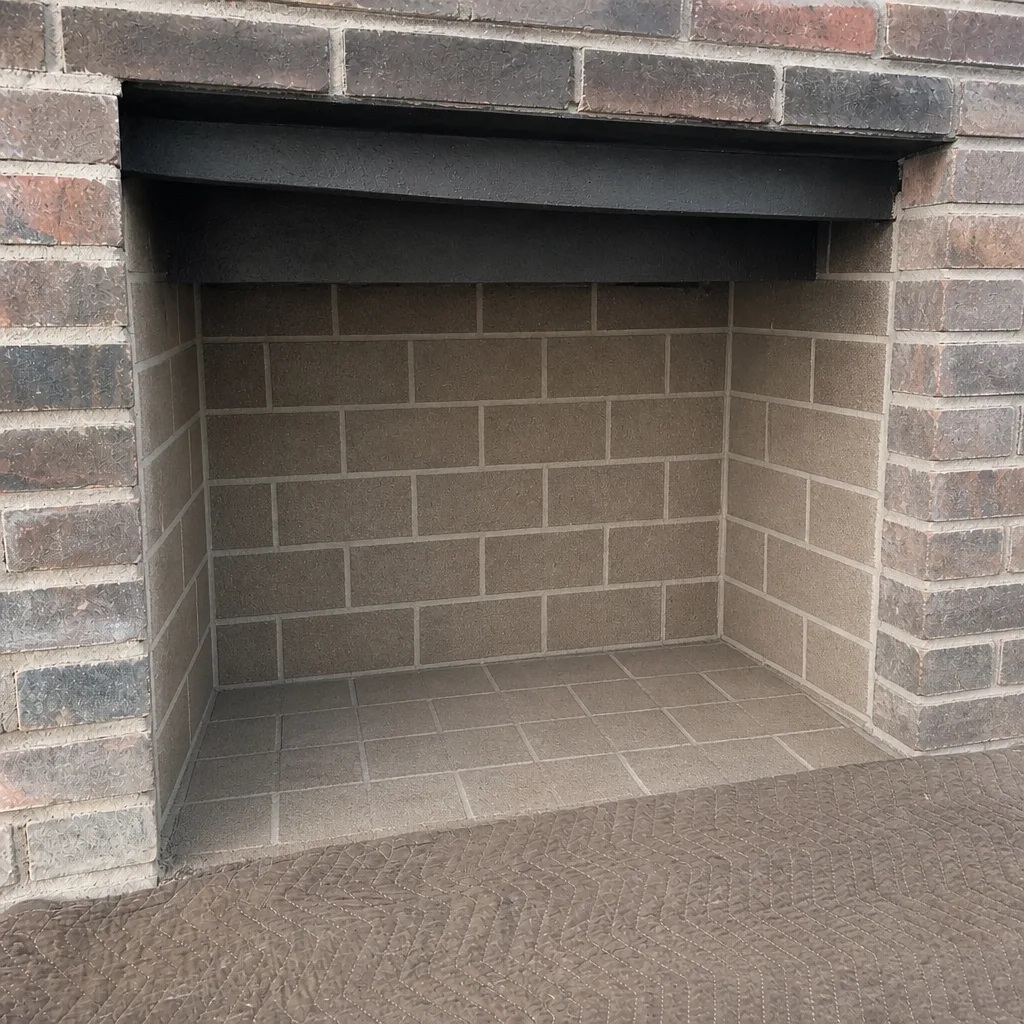
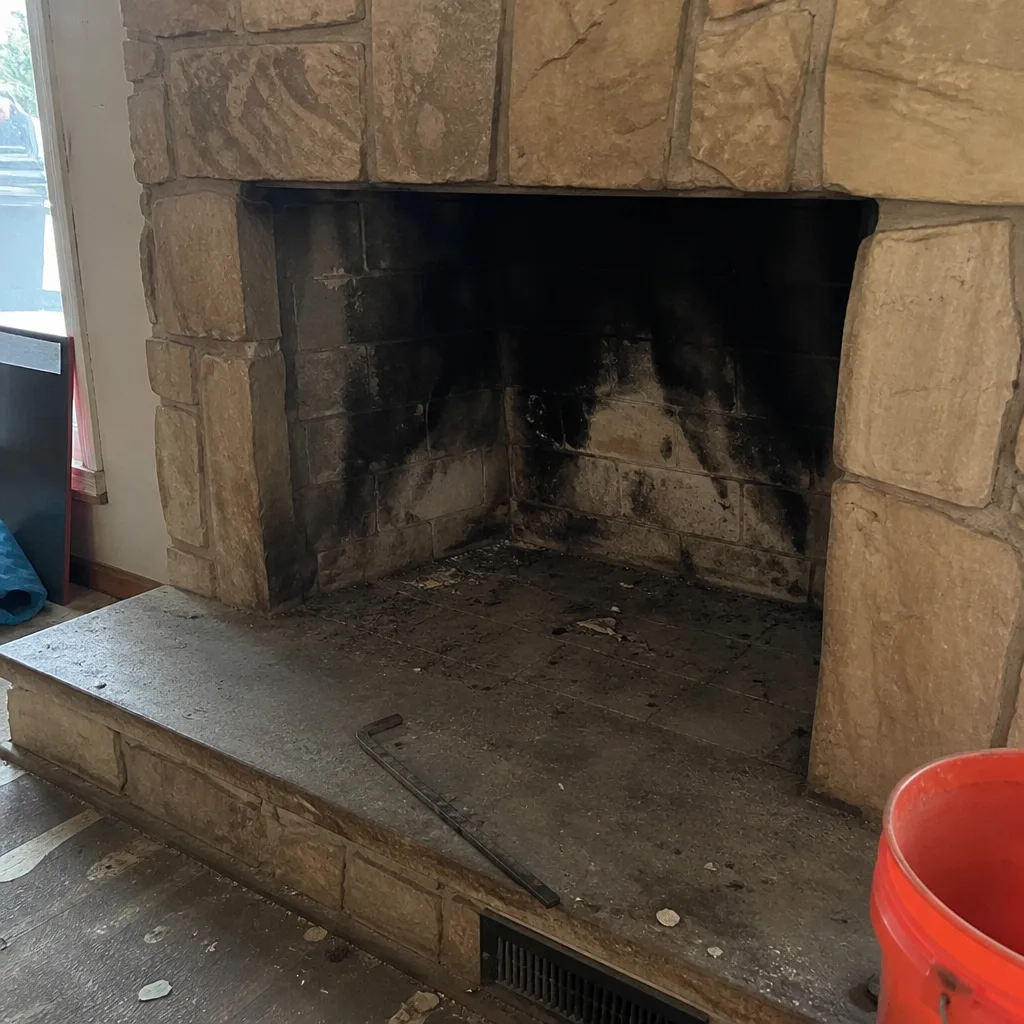
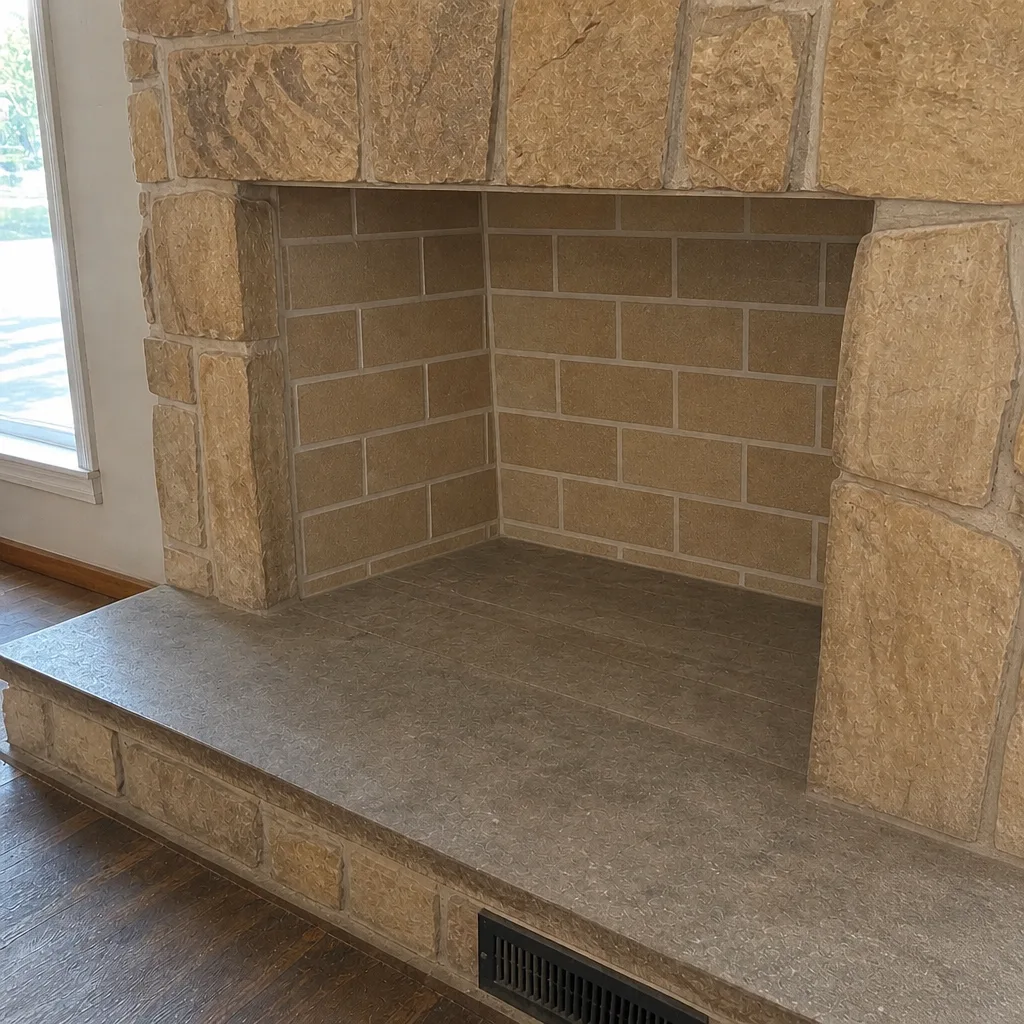
See the difference
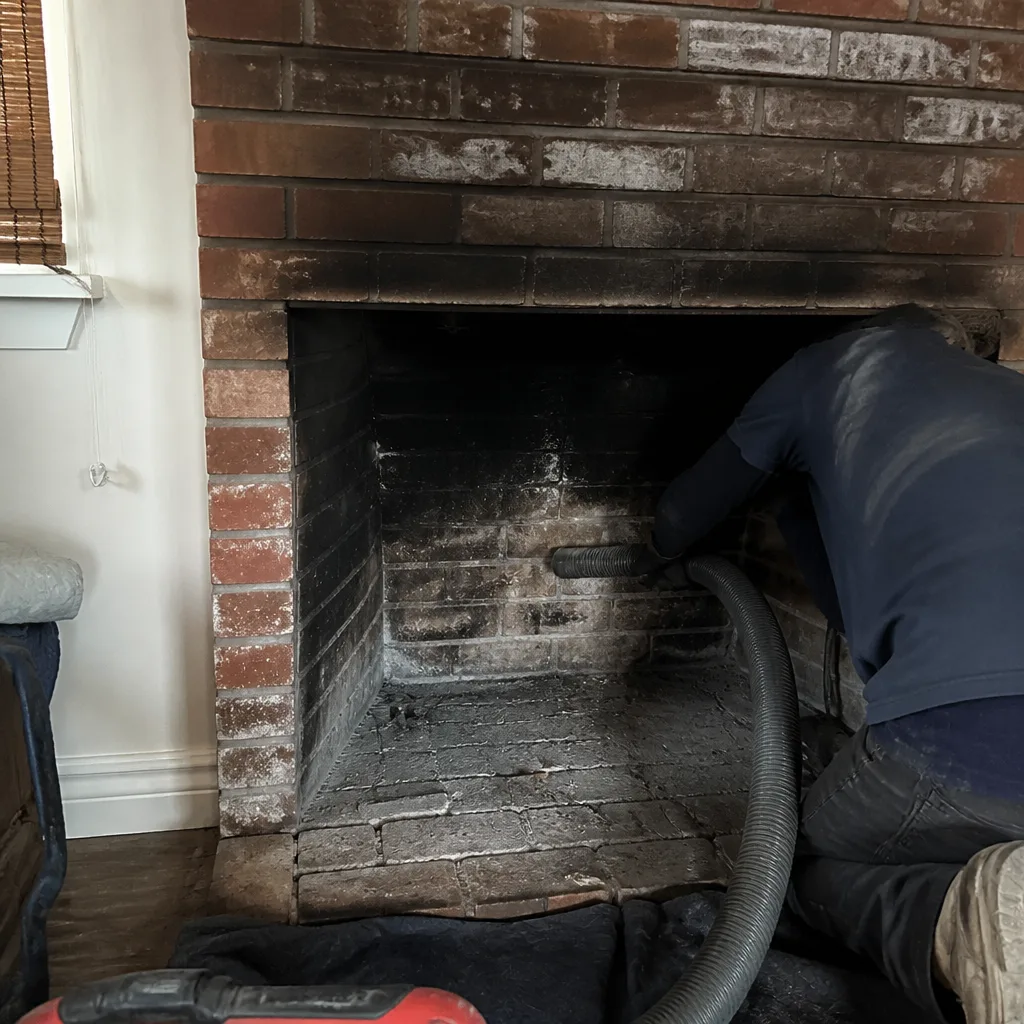 Before
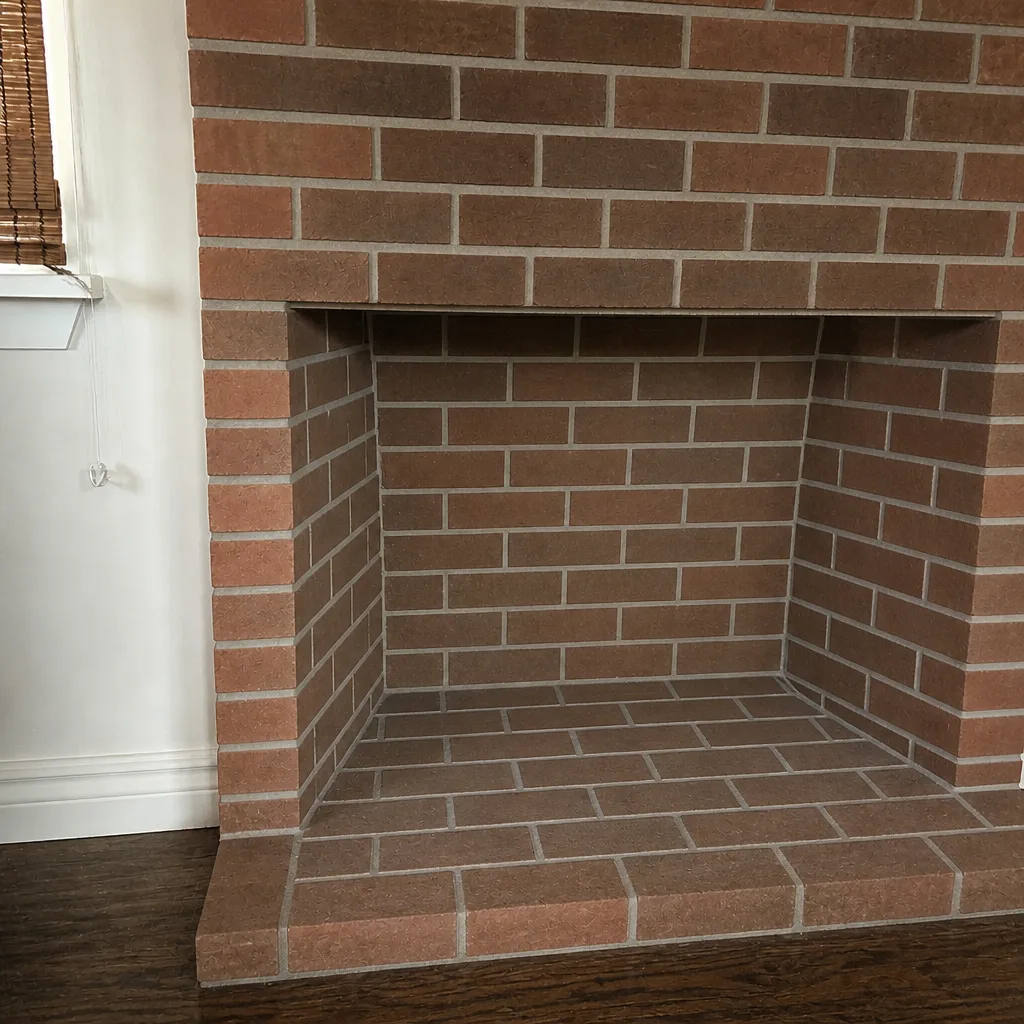 After
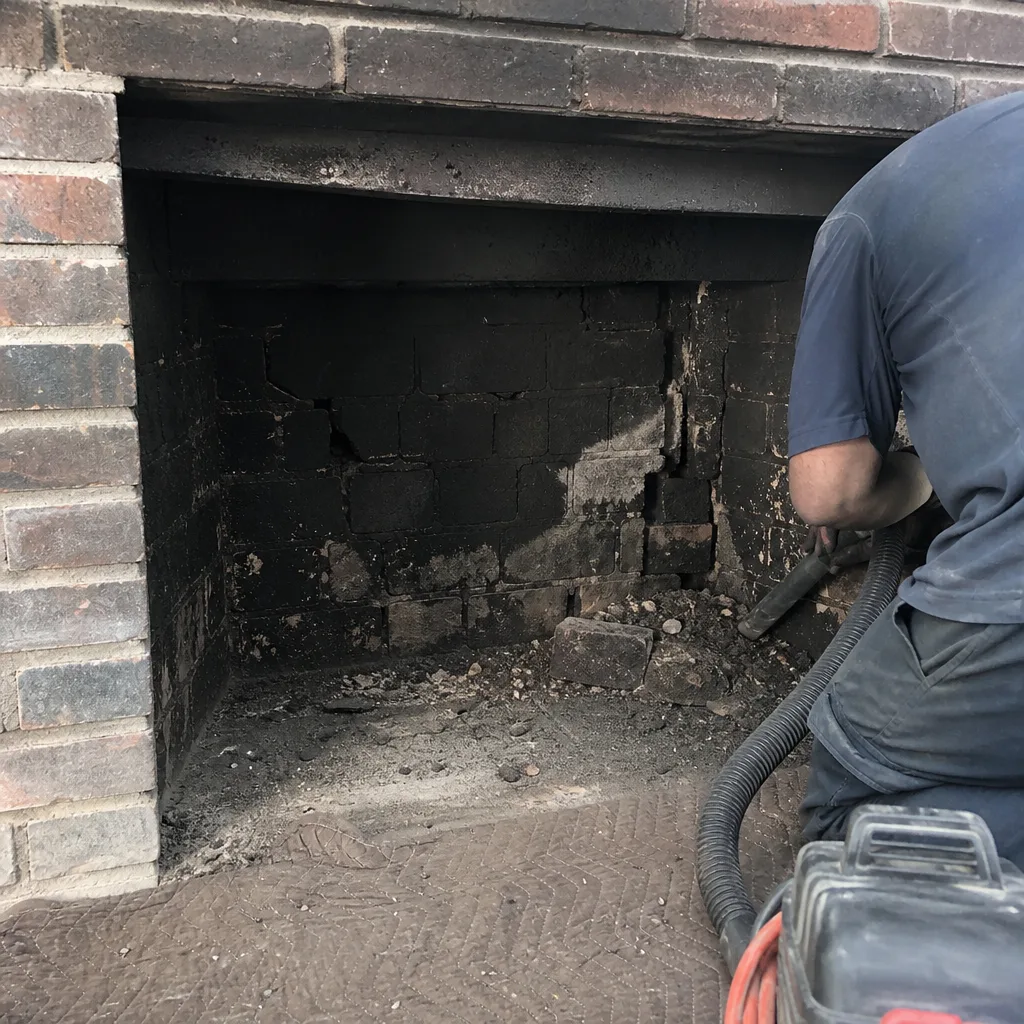 Before
 After
 Before
 After
When to Call a Professional
Call a professional when any checklist item moves from “monitor” to “needs repair,” when you can’t safely assess a component yourself, or when you’ve never had a documented inspection on the chimney. If you notice smoke smell in the house, a firebox wall that’s cracked through, a liner you suspect is compromised, or creosote that looks heavy, stop using the fireplace and have it looked at before the next fire. Our technicians have up to 13 years of experience and align with NFPA 211 Level I and Level II inspection standards. We handle the full chimney system from sweep to crown, using professional-grade materials from brands like DuraFlex, HeatShield, and Olympia Chimney. Chimney Sweep Downtown Santa Ana offers free estimates in Downtown Santa Ana. Call (866) 947-9102. We answer 24/7. Fast dispatch from 7am to 7pm, Sunday through Friday.
Frequently Asked Questions
A complete checklist covers seven components: cap, crown, flashing, liner, smoke shelf, smoke chamber, and firebox. Check the homeowner-visible items once a season and have a professional assess the sweep-only items (liner, smoke shelf, smoke chamber, flue deposits) annually if you burn regularly. Document each item with a date and photo.
Once a year is the reasonable cadence for a fireplace that gets regular use, and it’s still worth having a documented inspection on record for occasional use. The exact timing depends on use and creosote buildup, which a sweep will assess. Call (866) 947-9102 for an exact quote – estimates are free.
You can safely check the cap, crown, exterior masonry, flashing, damper movement, and firebox from the ground or from inside the firebox. You cannot accurately assess liner integrity, the smoke shelf, the smoke chamber, or creosote stage without scoping the flue, which needs a professional with the right equipment.
A damaged or compromised liner, a cracked firebox wall with gaps exposing the structure, heavy creosote requiring removal, or a missing or badly damaged cap all mean stop using the fireplace and call a professional. A hairline crown crack or a slightly loose cap can usually wait for scheduled service.
Keep a dated log for each component, attach a photo of the cap, crown, and firebox at each check, and file professional inspection reports. Note the date of the last sweep. That single record set gives a buyer or insurer documented proof of condition without needing to reconstruct history.
Yes. Even a noticeable shake can crack a masonry crown without dramatic signs. Add a crown and masonry inspection to your checklist after any noticeable seismic activity. A small crack left alone lets water into the masonry, which is a slow and expensive problem.
The Bottom Line
A chimney maintenance checklist that actually fits a Downtown Santa Ana home is built around the system’s real failure points: the smoke chamber where Stage 2 creosote hides, the crown that cracks after a shake, the liner you can’t judge from the ground, and the palm debris that finds its way into the cap. Split the checklist into what you can check and what a sweep must assess. Know your stop conditions from your wait conditions. Document everything with a date and a photo. Then schedule a professional assessment on a realistic cadence. If you want that assessment done thoroughly and honestly, we’re ready to help. Call (866) 947-9102 for a free estimate. We answer 24/7. Fast dispatch from 7am to 7pm, Sunday through Friday.
Written by the team at Chimney Sweep Downtown Santa Ana.