
Last updated November 25, 2026
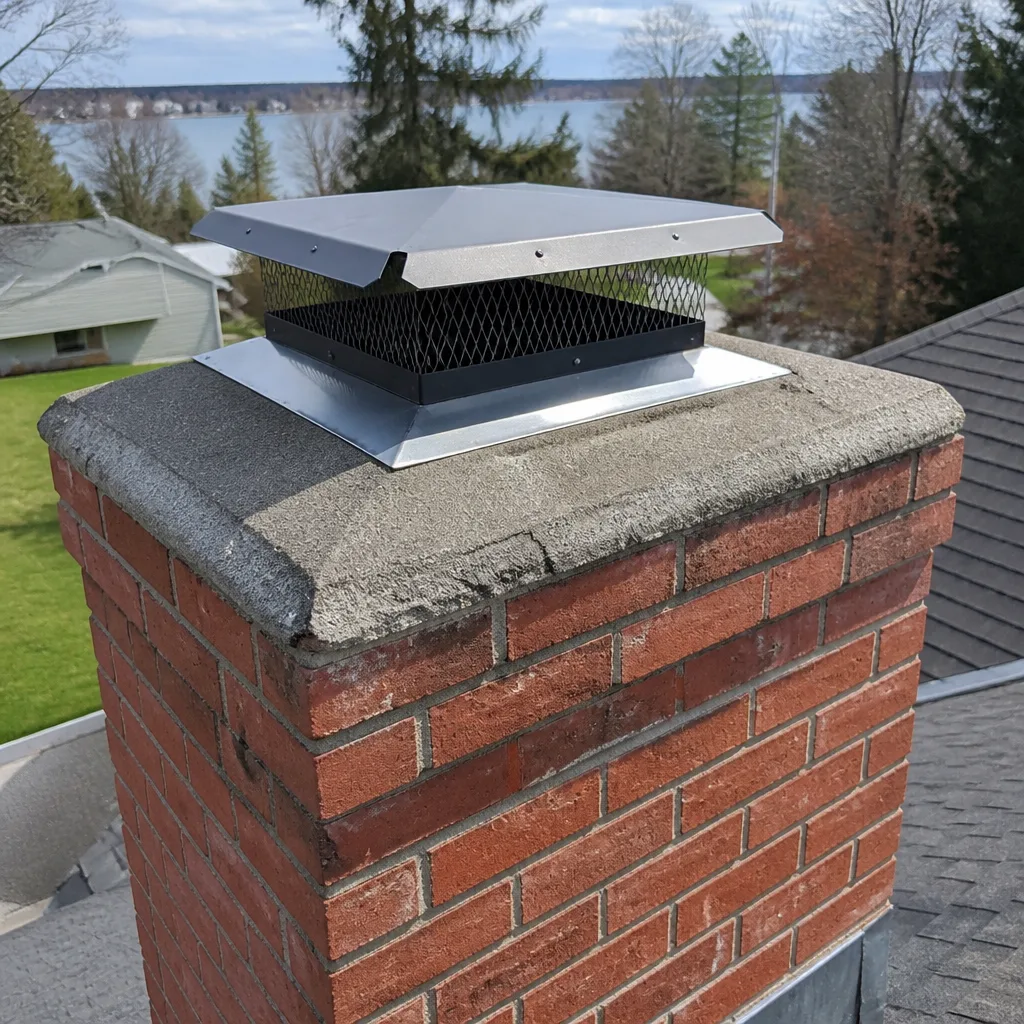 Sweep & inspection
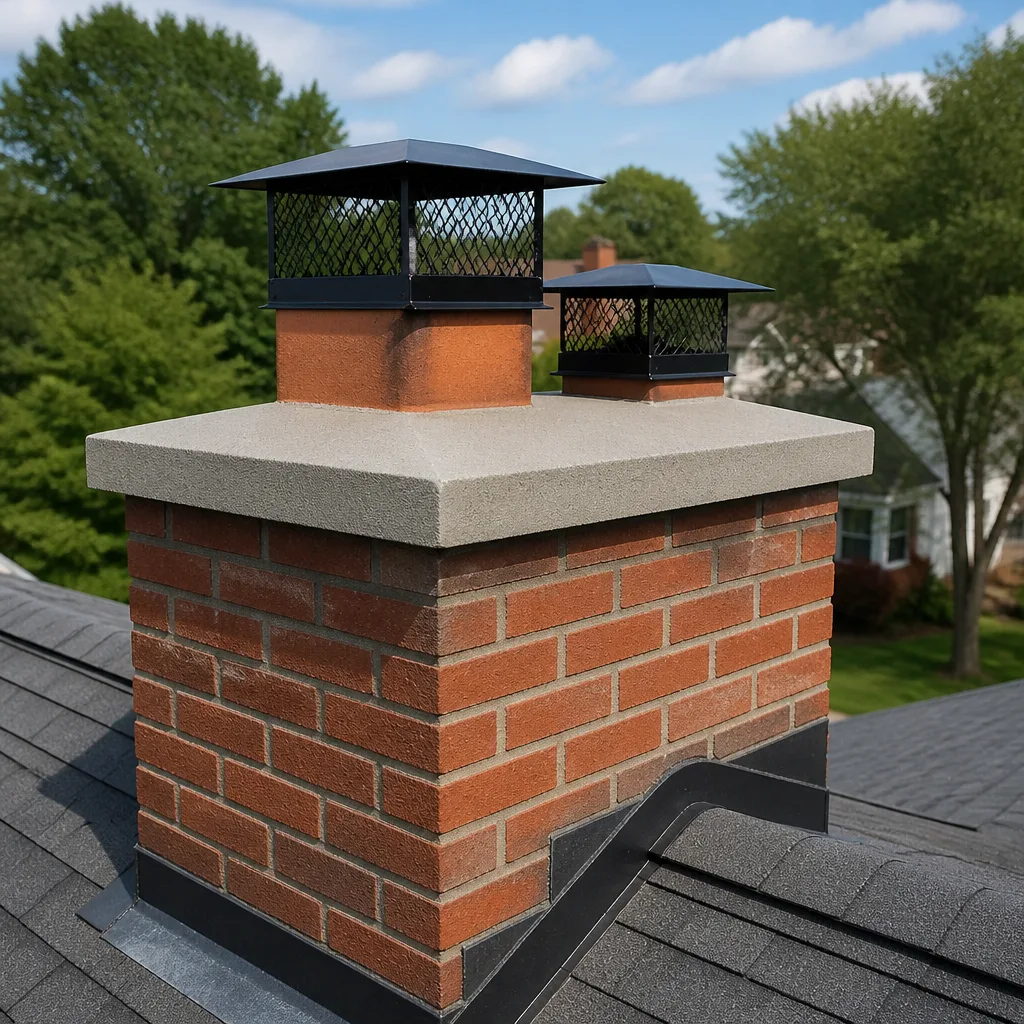 Caps & crowns
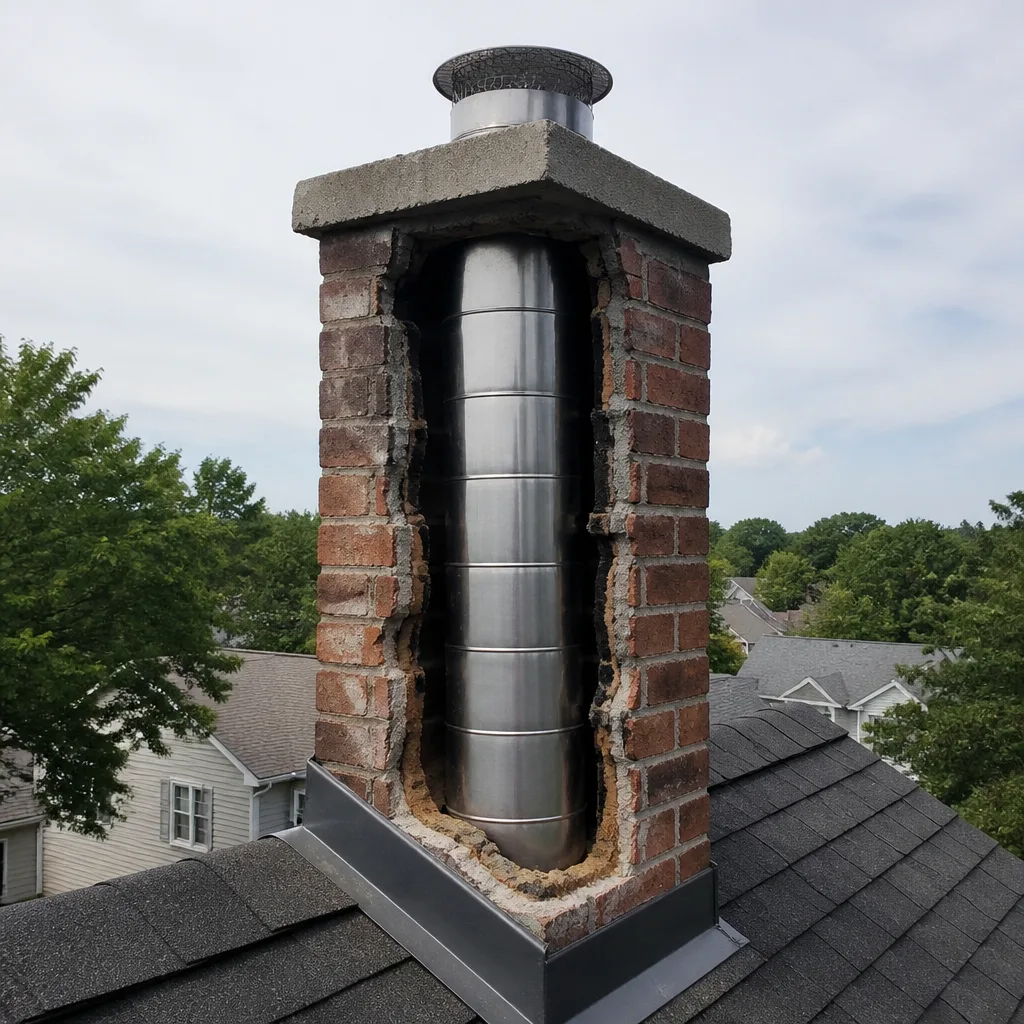 Flue relining
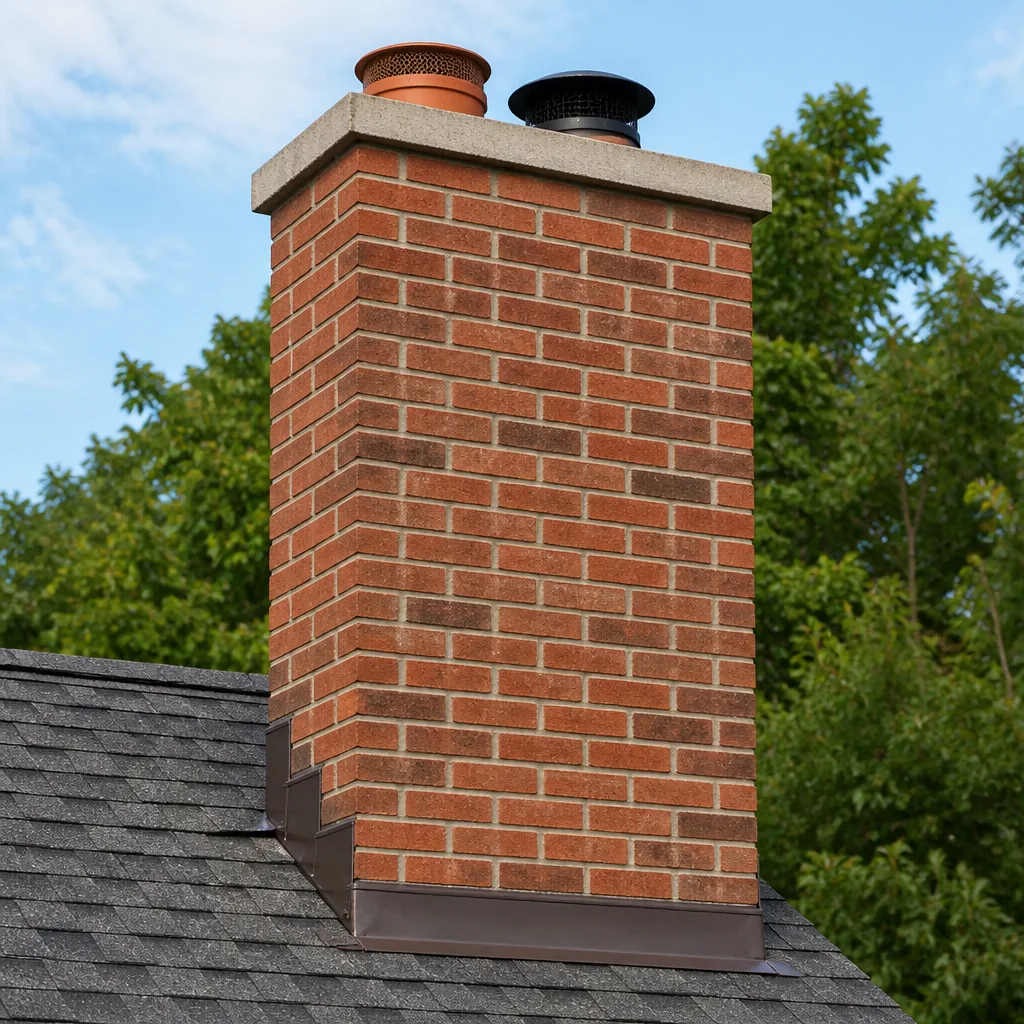 Masonry repair
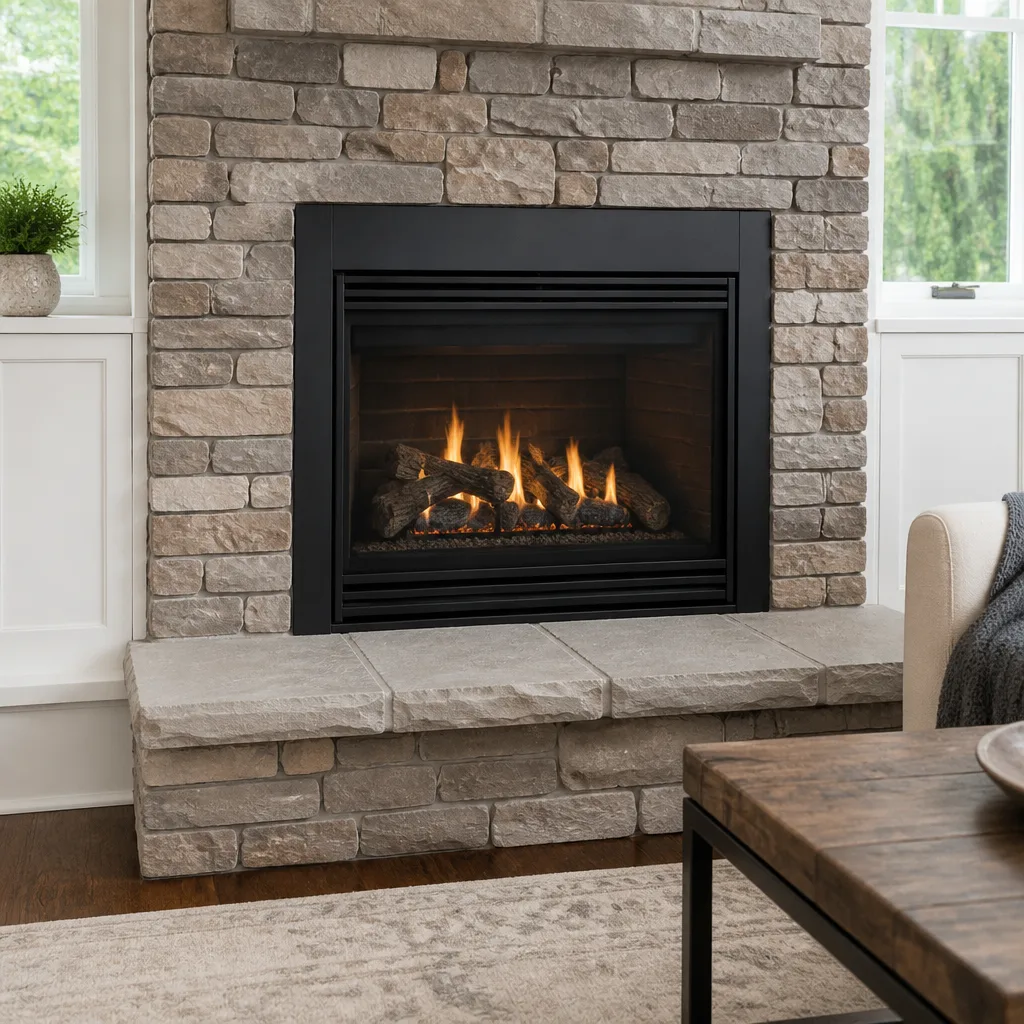 Gas fireplace service
Level 1 sweep and inspection to the NFPA 211 annual standard - flue, crown, cap, and flashing checked and photographed
Chimney sweep logs do not sweep chimneys. They loosen some creosote - which then falls where a brush and vacuum still have to collect it.
Chimney Sweep Maintenance Schedule: What to Do and When
The standard advice is to sweep your chimney once a year, and most homeowners in mild climates quietly ignore it because a fireplace used a handful of evenings each winter doesn’t feel like it needs servicing. That instinct is half right and half wrong. Low usage genuinely slows creosote buildup, but the mild, dry climate in Downtown Santa Ana creates a different problem: wind-blown debris, dust, and an occasional humid marine layer work on caps and crowns year-round while the firebox sits idle. The right schedule here isn’t the national template. It’s a local one, timed to our fire season and our fall winds. This guide lays it out month by month, separates what you can check yourself from what needs a certified sweep, and covers the gas fireplace timelines almost everyone skips.
Quick Answer
In Downtown Santa Ana’s mild climate, your chimney needs a professional sweep and inspection once a year, ideally in early fall before the first burn, plus a quarterly five-minute visual check of the cap, damper, and firebox that you can do yourself. Wood-burning fireplaces used lightly may sometimes stretch to a sweep every two years, but only after an inspection confirms low creosote. Gas fireplaces still need annual service even though they produce no soot.
Styles & brands we work with
- Sweep & inspection
- Caps & crowns
- Flue relining
- Masonry repair
- Gas fireplace service
Table of Contents
- Why Downtown Santa Ana’s Climate Changes the Schedule
- A Month-by-Month Chimney Calendar for Santa Ana
- The Usage Threshold: When Do You Actually Need a Sweep?
- Quarterly Tasks You Can Do Yourself
- The Annual Professional Sweep and Inspection
- Gas Fireplace Maintenance Timelines
- The October Pre-Season Checklist
- Level I vs. Level II Inspections Under NFPA 211
Why Downtown Santa Ana’s Climate Changes the Schedule
Chimney maintenance advice written for cold-weather states assumes a fireplace runs hard from November through March. Creosote accumulates then, and the annual sweep exists to clear it before the next heavy season. In Downtown Santa Ana, a fireplace might see a few dozen fires over a mild winter, so the creosote story is much smaller. What replaces it is debris and moisture. The dry Santa Ana winds that sweep through in fall push dust, leaves, and palm fronds against caps and crowns. A humid June marine layer can leave condensation on cool metal components. Those two forces do more slow damage to a chimney here than soot does.
That has a practical effect on scheduling. A homeowner in Minneapolis who skips a sweep risks a creosote fire from a heavily coated flue. A Downtown Santa Ana homeowner who skips a sweep more often ends up with a clogged cap, a stuck damper, or a cracked crown that lets water into the masonry over years. Different risks, different priorities. Our technicians have up to 13 years of experience working in this climate, and the pattern is consistent: the chimneys that fail early here are the ones where nobody ever looked at the top.
There’s also the housing stock to consider. Downtown Santa Ana’s older homes and bungalows often have original masonry chimneys built before modern liner standards were common. Those benefit most from a yearly look, because a small crown crack that would be a footnote elsewhere can quietly let water into brick for years before it shows as a stain inside.
A Month-by-Month Chimney Calendar for Santa Ana
Here’s the calendar we recommend for a wood-burning or gas fireplace in Downtown Santa Ana. It’s built around the local fire season and fall wind events rather than a national average.
- January through March: Your main burn window. Do a quick visual check of the firebox and damper before each season of use. Keep an eye on any smoke pulling into the room, which signals a draft or blockage issue.
- April: Last fires of the season taper off. Note how many fires you burned and roughly how much wood. That number tells you whether a fall sweep is essential or optional.
- May through June: Off-season. This is when the marine layer rolls in and cool metal components can collect condensation. A visual cap check from the ground is worth doing now.
- July through August: Dry, hot, and quiet. Good time to book a chimney sweep if your inspection from last year flagged anything, before fall demand builds.
- September: The Santa Ana winds start picking up. After the first significant wind event, check the cap, crown, and any visible flashing for displaced debris or damage.
- October: The critical month. Book your annual sweep and inspection now, complete the pre-season checklist below, and confirm your smoke and carbon monoxide detectors work before the first fire.
- November through December: Burn season. Recheck the cap after any strong wind event. Watch for smoke backing up or a weak draft.
If you only remember one line from this calendar, make it October. It’s the single window where a sweep, an inspection, and a cap check line up before you light the first fire of the year in Downtown Santa Ana.
The Usage Threshold: When Do You Actually Need a Sweep?
NFPA 211 guidance, the professional benchmark for chimney maintenance, tells you to sweep when there’s roughly 1/8 inch of creosote buildup in the flue. How fast you get there depends on how you burn, not just how often. A fireplace used a few times a winter on well-seasoned hard wood may take two seasons to reach that threshold. A fireplace used several nights a week, or burning unseasoned wood, gets there much faster. There’s no universal fire count that works for every home.
Here’s how we think about it for a Downtown Santa Ana home:
- Under 10 fires a season: You can likely go two years between sweeps if a professional inspection confirms the flue is clean. The inspection still happens annually.
- 10 to 30 fires a season: Annual sweep. This is the standard case for most Downtown Santa Ana households.
- More than 30 fires, or wood burned regularly: Annual sweep is a floor, not a ceiling. If you’re burning green or damp wood, a mid-season internal check is worth the call.
- Burning any wood at all: Regardless of count, a chimney fire risk exists if creosote builds up, and only an inspection tells you whether it has.
One more factor matters: wood quality. Properly seasoned firewood burns hot and clean. Damp wood smolders and leaves more creosote. If you’re unsure about your wood, that alone is a reason to inspect annually rather than every other year.
Quarterly Tasks You Can Do Yourself
A handful of checks are safe and useful for any homeowner to do each quarter. These catch problems early and give you specific language to describe when you call. Do them from the ground or the firebox, never from the roof, and never open or touch any part of the flue interior or liner yourself.
- Look up at the cap from the ground. Check for visible leaves, debris, or a loose or tilted cap. This is your earliest warning of a wind-driven blockage.
- Test the damper. Open and close it fully. A damper that sticks or won’t seal is worth a professional look before burn season.
- Look inside the firebox. Shine a flashlight up. You’re checking for obvious cracks in the firebox walls, loose mortar, or debris on the smoke shelf. Do not reach up into the flue.
- Check for water stains. Look at the ceiling and walls near the chimney. A dark stain or efflorescence (white chalky deposits) on nearby masonry hints at moisture getting in through the crown or flashing.
- Verify detectors. Test your smoke and carbon monoxide alarms each quarter. Carbon monoxide is a real concern with any fuel-burning appliance, and a working detector is the only early warning you get.
These checks aren’t a substitute for a professional inspection. They’re how you notice that something changed between inspections. If any of them turns up a concern, that’s the point to call a professional, not to investigate further yourself. High, structural, and flue-related work belongs to a trained technician.
The Annual Professional Sweep and Inspection
The annual visit does two jobs at once: it clears what’s built up and it documents the chimney’s condition. A proper visit includes a sweep of the flue, a camera inspection where needed, and a written report of what was found. The report matters because it separates what’s safe, what needs attention now, and what can wait.
What happens during a professional visit for a typical Downtown Santa Ana home:
- A full flue sweep to clear creosote, soot, and debris.
- A camera inspection of the flue interior, with photos so you can see the condition yourself.
- A cap and crown check, since these are the components most stressed by local wind and sun.
- A firebox and damper assessment.
- A written summary noting anything flagged and whether it’s urgent or can be scheduled later.
The visit is also the moment to decide on repairs. A cracked crown or a worn cap is a straightforward fix when it’s caught early, and installing a properly sized cap matters more than people expect. We stock Famco and Gelco caps and venting components specifically so sizing is right the first time, rather than forcing a hardware-store substitute onto a chimney it doesn’t fit. If your flue has minor deterioration short of needing a full reline, HeatShield liner restoration is a resurfacing option worth asking about. We’re HeatShield-qualified to apply it, and it can extend the working life of an aging flue without the cost of a full liner replacement. When a full liner is genuinely needed, we install DuraFlex flexible liner systems, which are designed to meet NFPA 211 clearance standards and work well for retrofitting older or irregularly shaped flues.
The point of covering all of this in one visit is accountability. Sweep, inspection, cap and crown, and structural work all sit with the same team, so there’s no gap between the person who diagnoses a problem and the person who fixes it.
Gas Fireplace Maintenance Timelines
Gas fireplaces are the most commonly skipped item on any maintenance calendar. Homeowners reasonably assume that with no wood and no soot, there’s nothing to maintain. That reasoning misses what actually wears out on a gas unit: the burners, the pilot assembly, the venting, and the gas connections. None of those produce the visible soot that would remind you to call.
Here’s the schedule we recommend for gas fireplaces in Downtown Santa Ana:
- Annually: A professional inspection of the burner assembly, venting, and gas connections. Even with no soot, this is the check that catches carbon monoxide risks and confirms the vent is clear.
- Before each burn season: A visual check that the glass front is clean, the logs or media are correctly positioned, and the pilot lights as expected.
- Any time you smell gas or see soot on the logs: Stop using the fireplace and call a professional. This is a safety issue, not a maintenance one.
Gas lines and appliance connections are genuinely dangerous to work on without training, and we don’t recommend any homeowner service beyond the visual check. If the fireplace runs but something feels off, that’s a professional call. We handle the fireplace repair side of the system directly, so a gas unit that needs work doesn’t need a second contractor.
The October Pre-Season Checklist
October is the month to get the whole system ready before the first fire. It lines up with the tail end of Santa Ana wind season, so it’s also when wind-driven debris on caps and crowns is most worth clearing. Here’s the checklist we walk Downtown Santa Ana homeowners through each fall.
- Book your annual sweep and inspection early. Fall is the busiest season, and booking in early October avoids waiting.
- Clear the cap and crown of wind-blown debris. Leaves, twigs, and palm debris collect against caps during the fall winds and can block the draft.
- Check the crown for cracks. A hairlined crown is easy to repair now and expensive once water has worked into the masonry over a wet winter.
- Inspect the flashing where the chimney meets the roof. Loose flashing lets water in, and this is the kind of thing you notice as a ceiling stain months later.
- Confirm your smoke and carbon monoxide detectors work. Replace batteries if needed. This is the one step that protects you regardless of everything else.
- Have your chimney sweep leave a written condition report. Keep it. It’s the baseline for next year, and it tells you exactly what changed.
If the checklist turns up anything more than a cosmetic issue on the cap or crown, we handle chimney cap & crown work as part of the same visit as the sweep. Catching a crown crack in October costs far less than rebuilding a water-damaged chimney in spring.
Level I vs. Level II Inspections Under NFPA 211
Not every inspection is the same. NFPA 211 defines inspection levels, and knowing which one you need prevents both overspending and gaps. Here’s the practical breakdown.
- Level I: The routine annual inspection. It covers the readily accessible parts of the chimney and venting. This is what most homeowners need every year, and it’s the baseline for a chimney that hasn’t changed use.
- Level II: A more thorough inspection using a camera to see the flue interior. It’s needed when you’ve changed fuel type, had a chimney fire, bought a home, or had a significant event like a nearby earthquake or major storm. It’s also the standard before any liner work.
- Level III: Reserved for when specific parts of the chimney need to be accessed that can’t be reached otherwise, such as removing a section of masonry. This is rare and only when the situation genuinely calls for it.
For most Downtown Santa Ana homeowners, a Level I inspection annually plus a Level II when something has changed is the right rhythm. Our inspection services align with NFPA 211 Level I and Level II standards, so you get documented proof of condition rather than a verbal “looks fine.” That documentation matters for landlords and property managers too, since tenant safety compliance depends on a record, not a memory. If you’re responsible for a rental property, an annual Level I with the written report kept on file is the practical minimum.
One common mistake: assuming a Level I catches everything. It doesn’t see inside the flue, which is exactly where a hairline crack in a liner hides. If you haven’t had a Level II with a camera since moving in, that’s the first call worth making.
Common Mistakes to Avoid
- Skipping the sweep because the fireplace gets little use. Low usage does slow creosote, but it doesn’t stop a cap clogging with fall debris. The inspection is what tells you the difference.
- Waiting until the first cold night to book. In Downtown Santa Ana, the first fire often follows the first cool evening in November, by which point fall appointments are booked out. October is the window.
- Assuming gas means no maintenance. A gas fireplace produces no soot but still has venting, burner, and gas connection components that need an annual check.
- Ignoring a crown crack because it’s “small.” Water through a cracked crown works into masonry slowly, and the damage shows up as a ceiling stain long after the crack was easy to fix.
- Installing an off-the-shelf cap that doesn’t fit. A cap sized wrong for your flue is a draft problem waiting to happen. We stock Famco and Gelco caps specifically so sizing matches the chimney.
- Following the national annual-sweep rule without a documented inspection. The rule is a starting point. The actual schedule for your chimney comes from what the inspection finds.
- Burning damp wood and assuming the count matters less. Green or unseasoned wood leaves far more creosote per fire, which shortens the interval between sweeps.
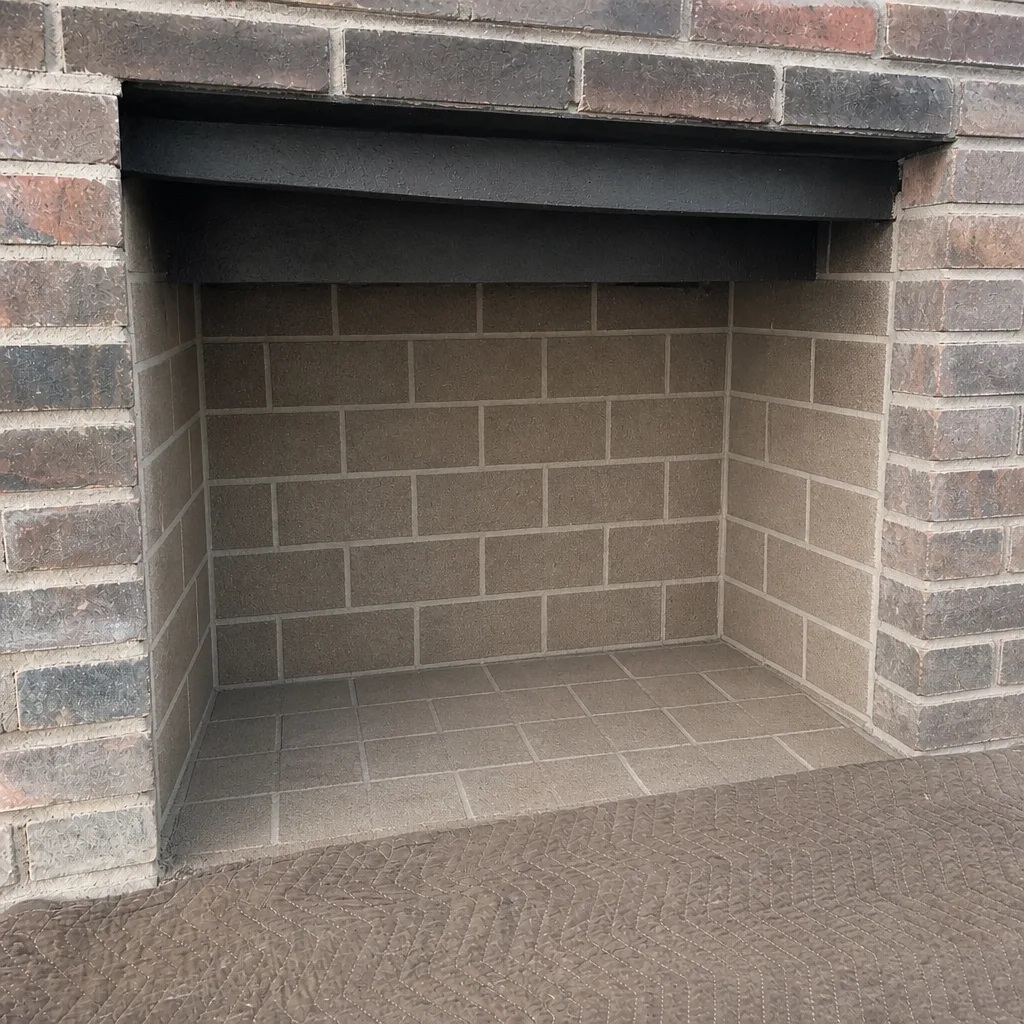
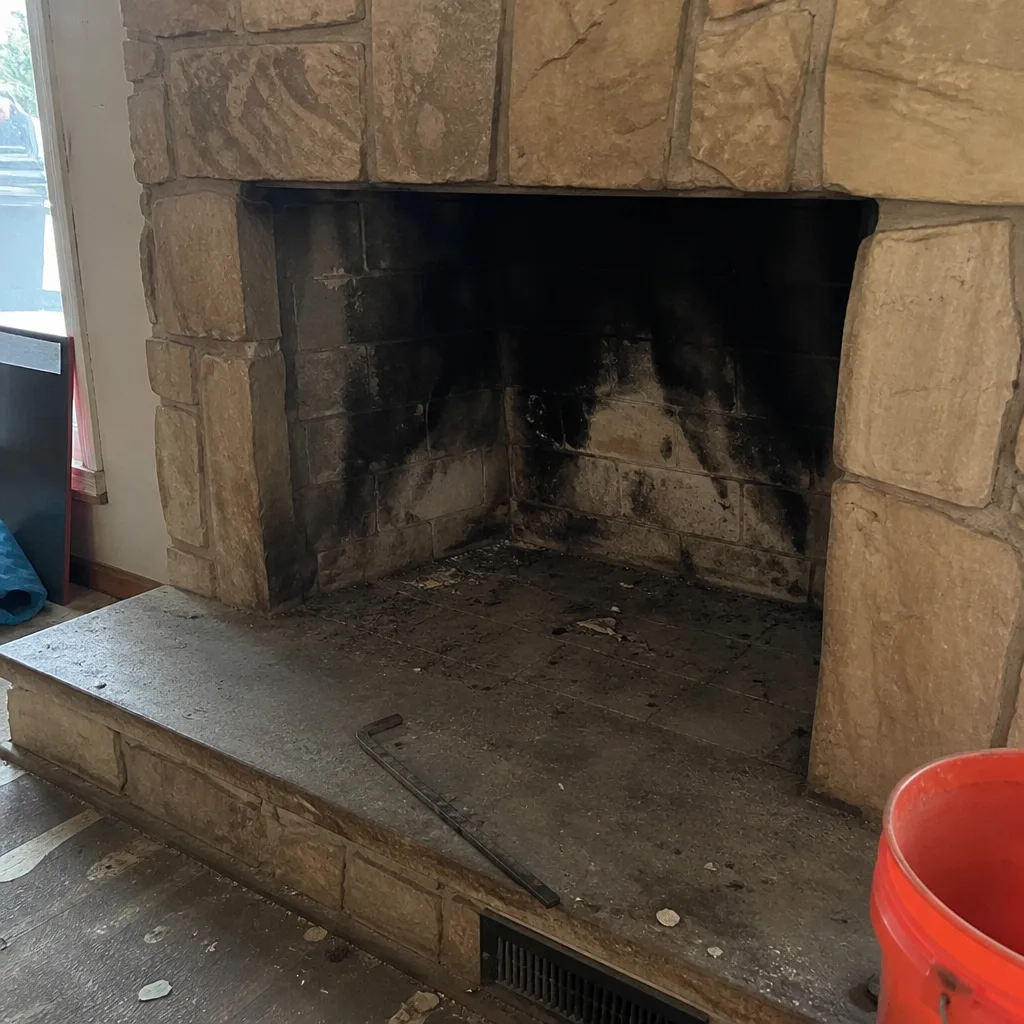
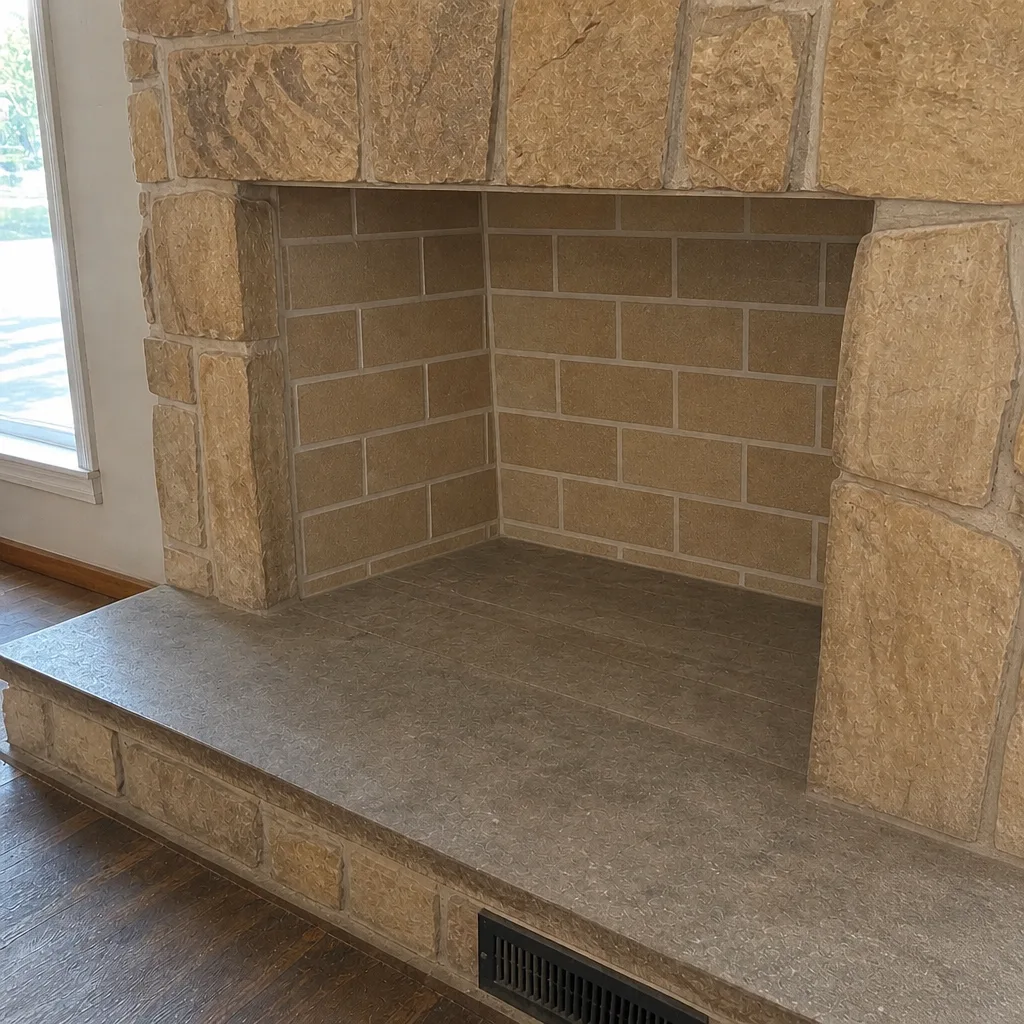
See the difference
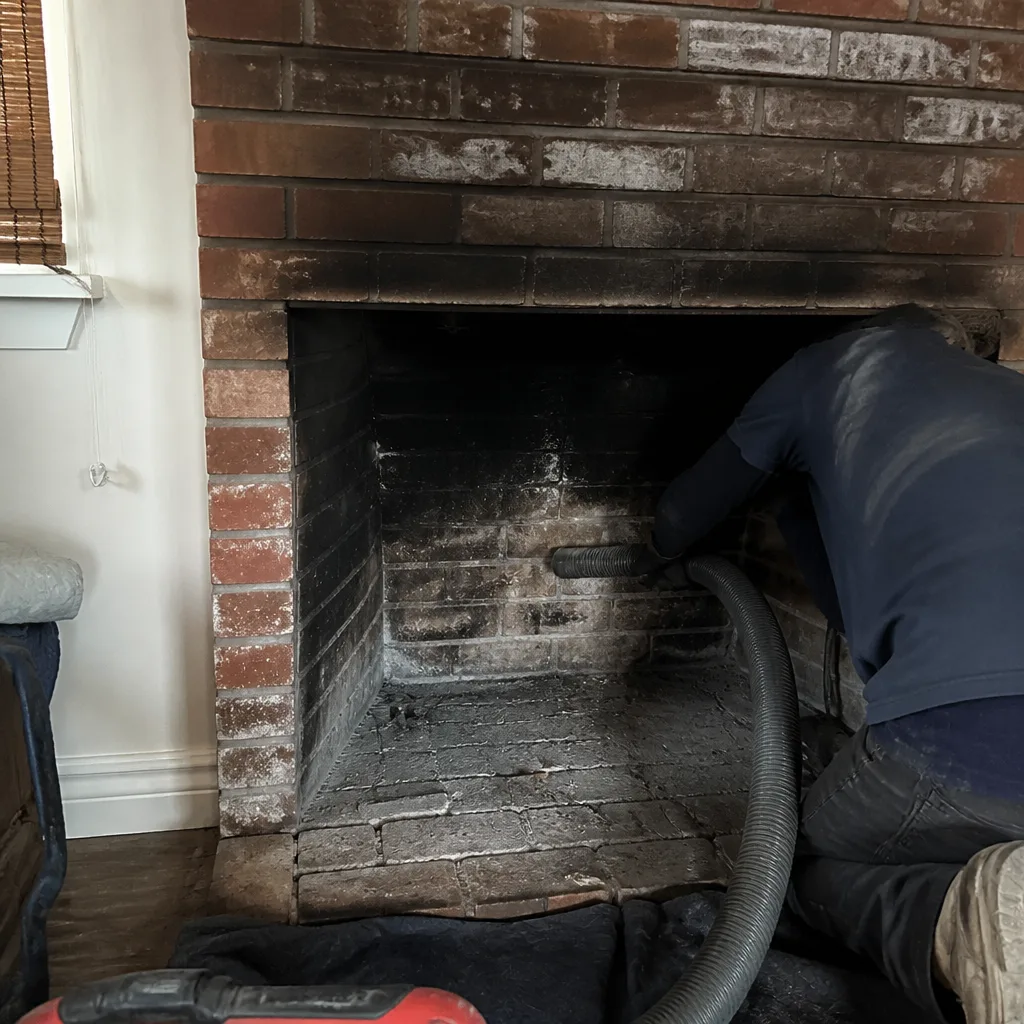 Before
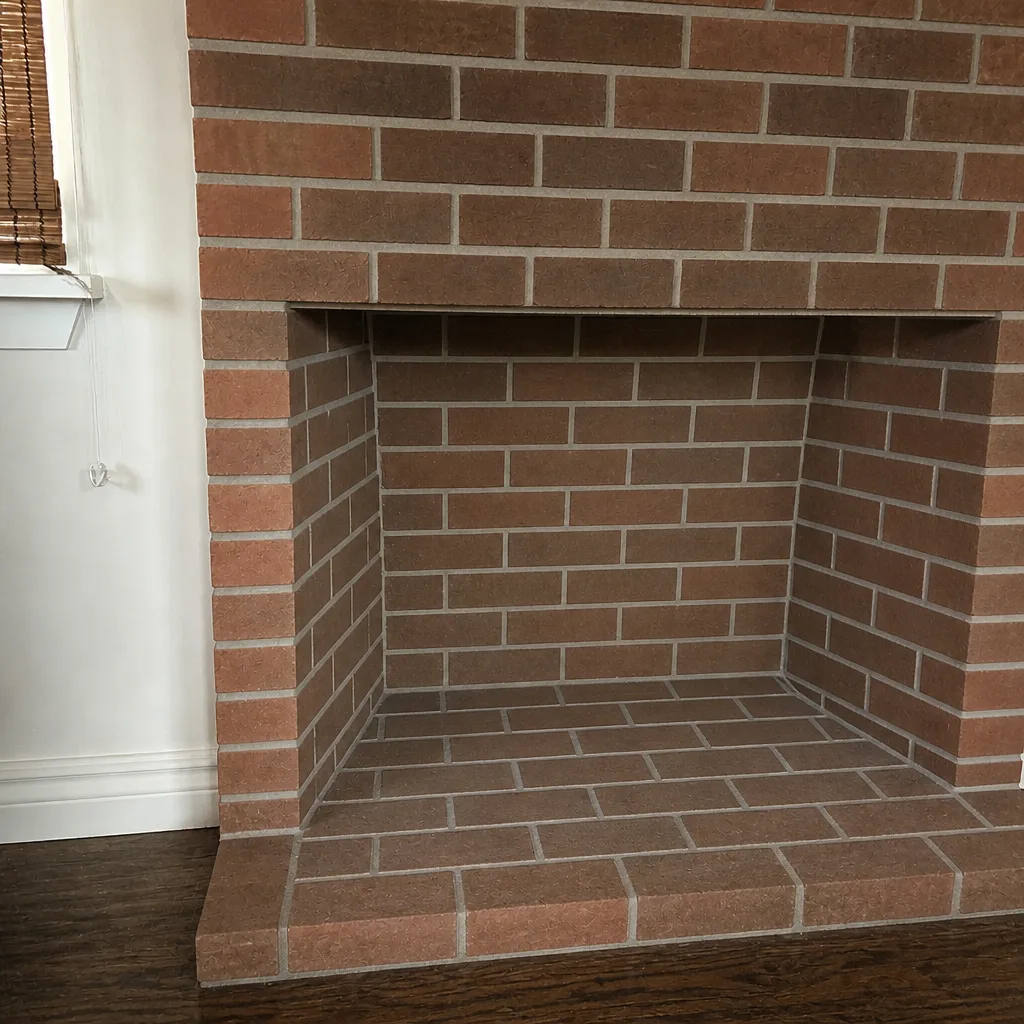 After
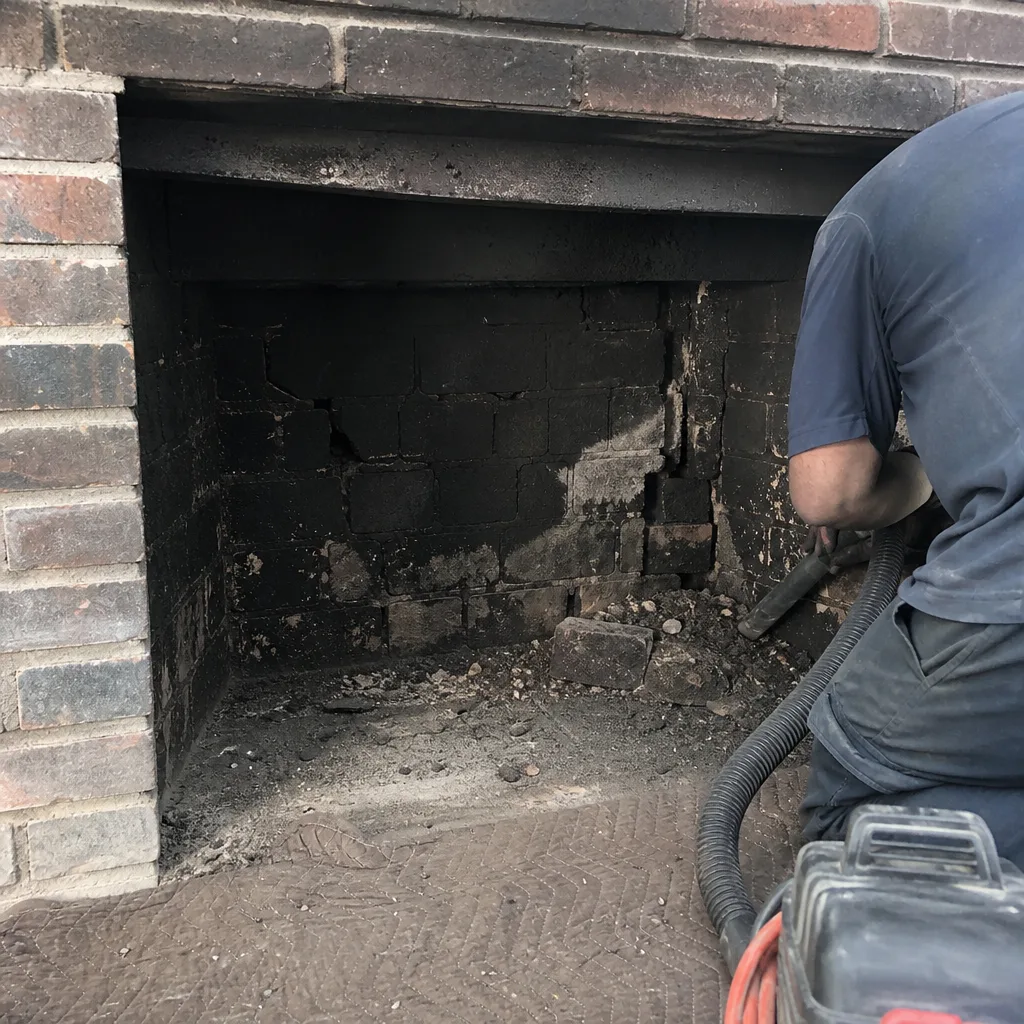 Before
 After
 Before
 After
When to Call a Professional
Some situations can wait for the annual visit. Others can’t. Call a professional now if you smell gas at any point, if smoke backs into the room when the fireplace is lit, if you see a visible crack in the firebox or the surrounding masonry, or if a wind event has left your cap visibly loose or a chunk of crown displaced. A chimney fire, even a small one you think you put out, needs a Level II inspection before you burn again. If you’ve just bought a home in Downtown Santa Ana and don’t have a record of the last inspection, start with a Level II. And if you’re a landlord preparing for a tenant turnover, get the written inspection done before the new lease starts rather than after. Chimney Sweep Downtown Santa Ana offers free estimates in Downtown Santa Ana, and we can look at the full system in one visit rather than sending you to a second contractor for cap or crown work. Call (866) 947-9102. We answer 24/7. Fast dispatch from 7am to 7pm, Sunday through Friday.
Frequently Asked Questions
Once a year if you burn regularly, with an inspection every year even in low-use seasons. In Downtown Santa Ana’s mild climate, a lightly used fireplace can sometimes go two years between sweeps, but only after an inspection confirms the flue is clean. The inspection stays annual regardless, because caps and crowns take wind damage year-round. Call (866) 947-9102 for an exact quote on a sweep and inspection.
You need an inspection every year, and the sweep depends on what it finds. A fireplace used a handful of times on dry, seasoned wood may not need a sweep every season. But without a camera inspection, you have no way to know how much creosote has built up inside the flue. Call (866) 947-9102 to book an inspection, and we’ll tell you honestly whether a sweep is needed this year.
Yes. A gas fireplace produces no soot, but the burner assembly, venting, and gas connections still need an annual check, and that check is where carbon monoxide risks get caught. Skipping it is common and it’s the most frequent gap we see in Downtown Santa Ana. Call (866) 947-9102 to schedule a gas fireplace inspection.
For a low-use fireplace in this climate, the more likely outcome isn’t a chimney fire, it’s water damage and debris. A cracked crown lets moisture into the masonry over multiple wet seasons, and wind-blown debris clogs the cap and weakens draft. Those repairs cost more the longer they sit. Call (866) 947-9102 for an inspection before the next burn season.
Pricing depends on the flue, the level of inspection, and whether any repair is needed, so we quote per job after looking at the chimney rather than giving a flat number over the phone. The estimate is free and the written price sets the final cost. Call (866) 947-9102 for an exact quote.
Level I for a routine annual check on a chimney that hasn’t changed. Level II when you’ve bought the home, changed fuel type, had a chimney fire, or had a significant event, because only Level II sees inside the flue with a camera. Our inspections align with NFPA 211 Level I and Level II standards. Call (866) 947-9102 and we’ll recommend the right level for your situation.
The Bottom Line
The national advice to sweep annually isn’t wrong, it’s just built for a different climate. In Downtown Santa Ana, the schedule that actually protects your chimney is an annual inspection, a sweep based on what the inspection finds, and a quarterly five-minute visual check of the cap, damper, and firebox that you can do yourself. Time the professional visit to October so it lands before the first fire and after the fall winds. Don’t skip the gas fireplace, and don’t skip the crown and cap just because the firebox looks fine. If this year’s inspection comes back clean, that’s a genuinely useful answer: you know exactly what’s safe, what’s not, and what can wait.
If you’re ready to book the annual visit, or you’re not sure where your chimney stands, we handle the full system from sweep to cap and crown in one visit. Our technicians have up to 13 years of experience, and we work with professional-grade brands like DuraFlex, HeatShield, Gelco, Olympia Chimney, and Famco rather than hardware-store substitutes. You can read more about our core service on the Chimney Sweep Downtown Santa Ana page. Call (866) 947-9102 for a free estimate. We answer 24/7. Fast dispatch from 7am to 7pm, Sunday through Friday.
Written by the team at Chimney Sweep Downtown Santa Ana.