
Last updated November 25, 2026
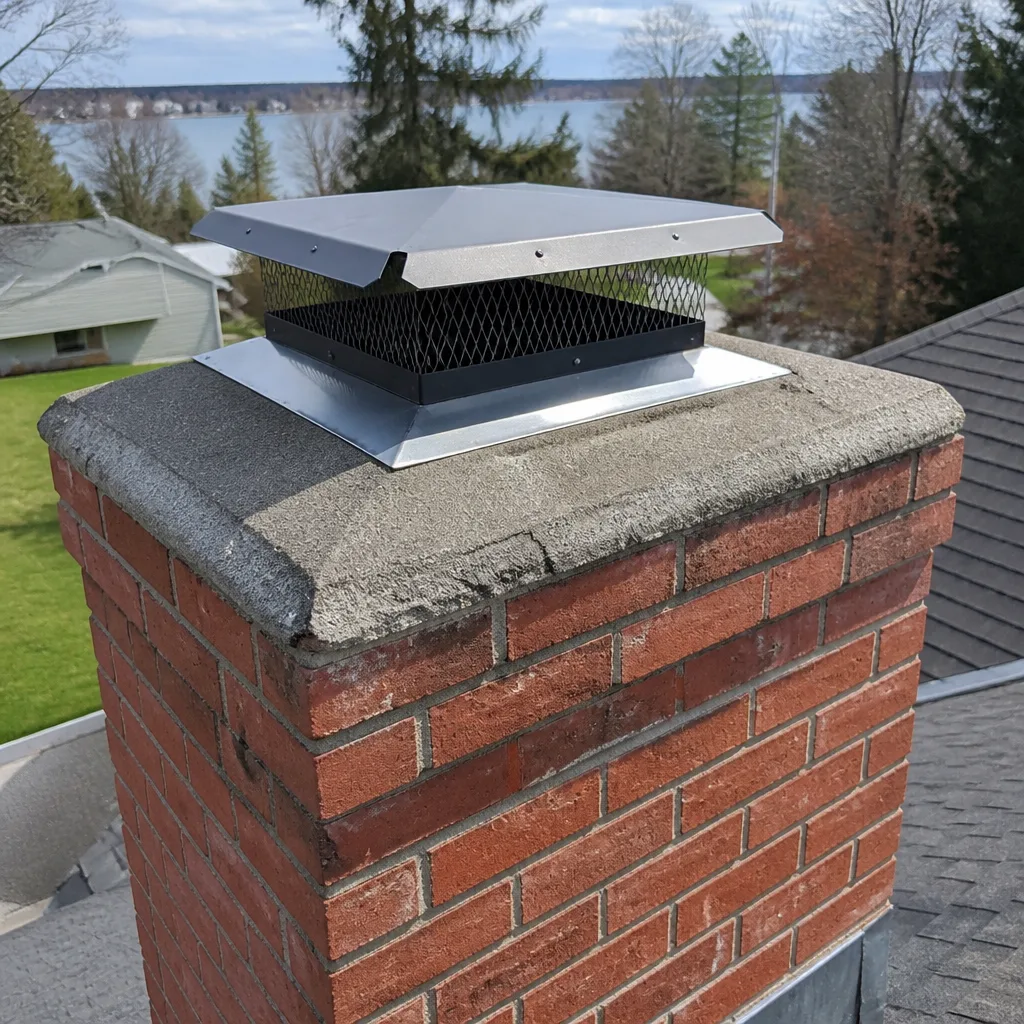 Sweep & inspection
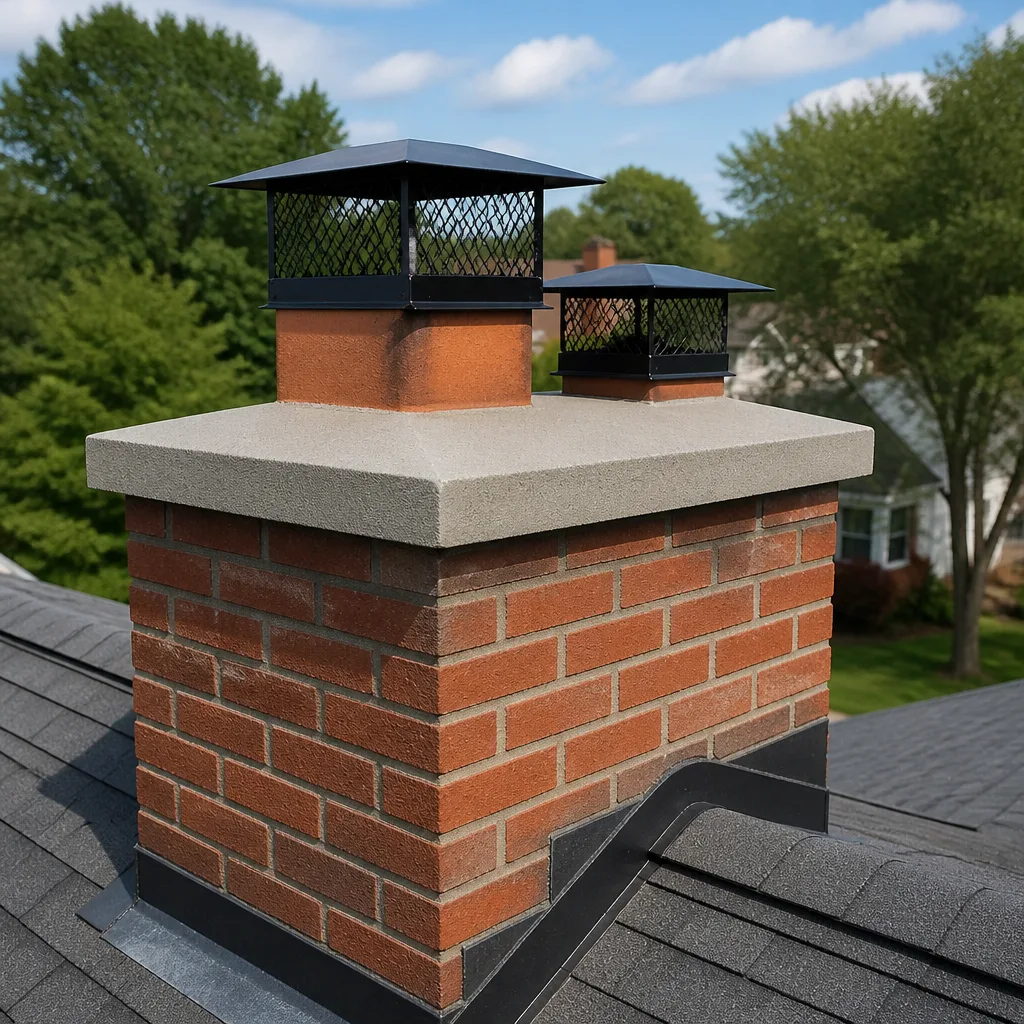 Caps & crowns
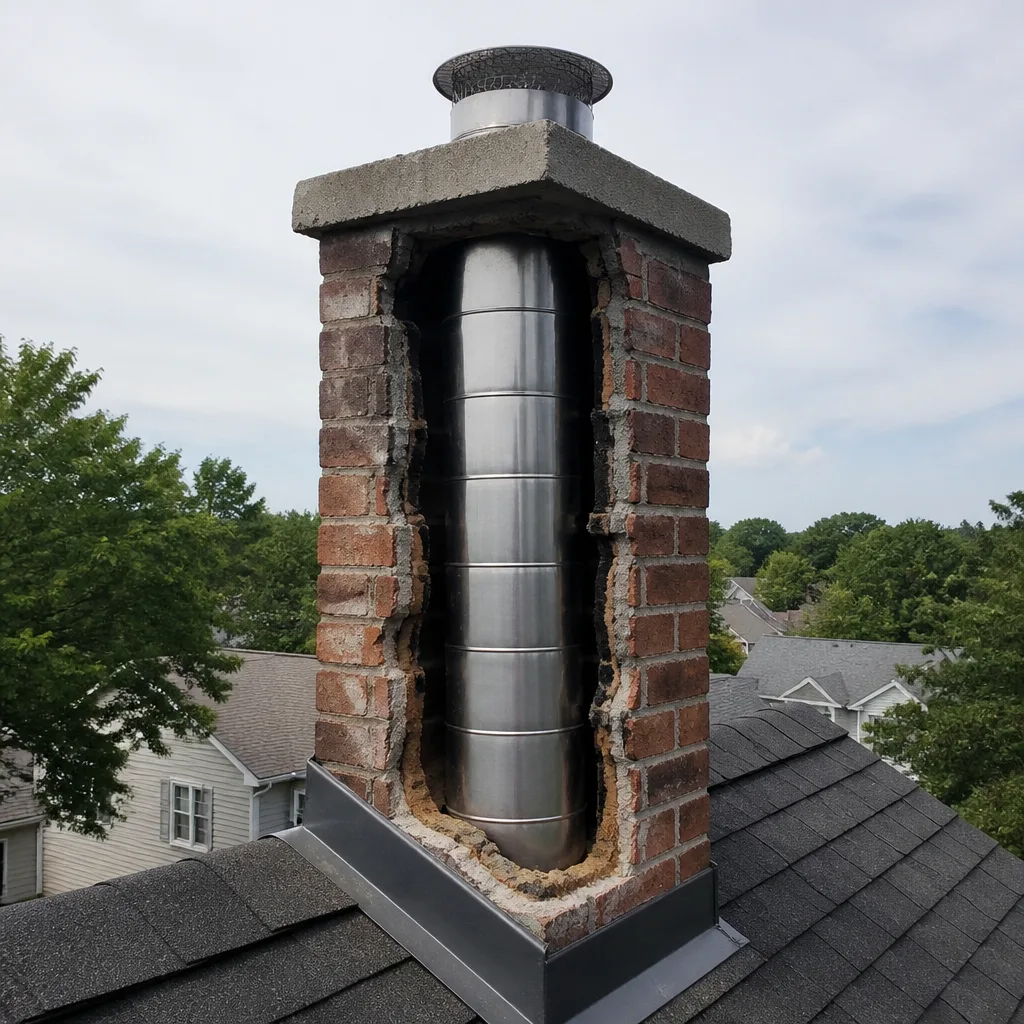 Flue relining
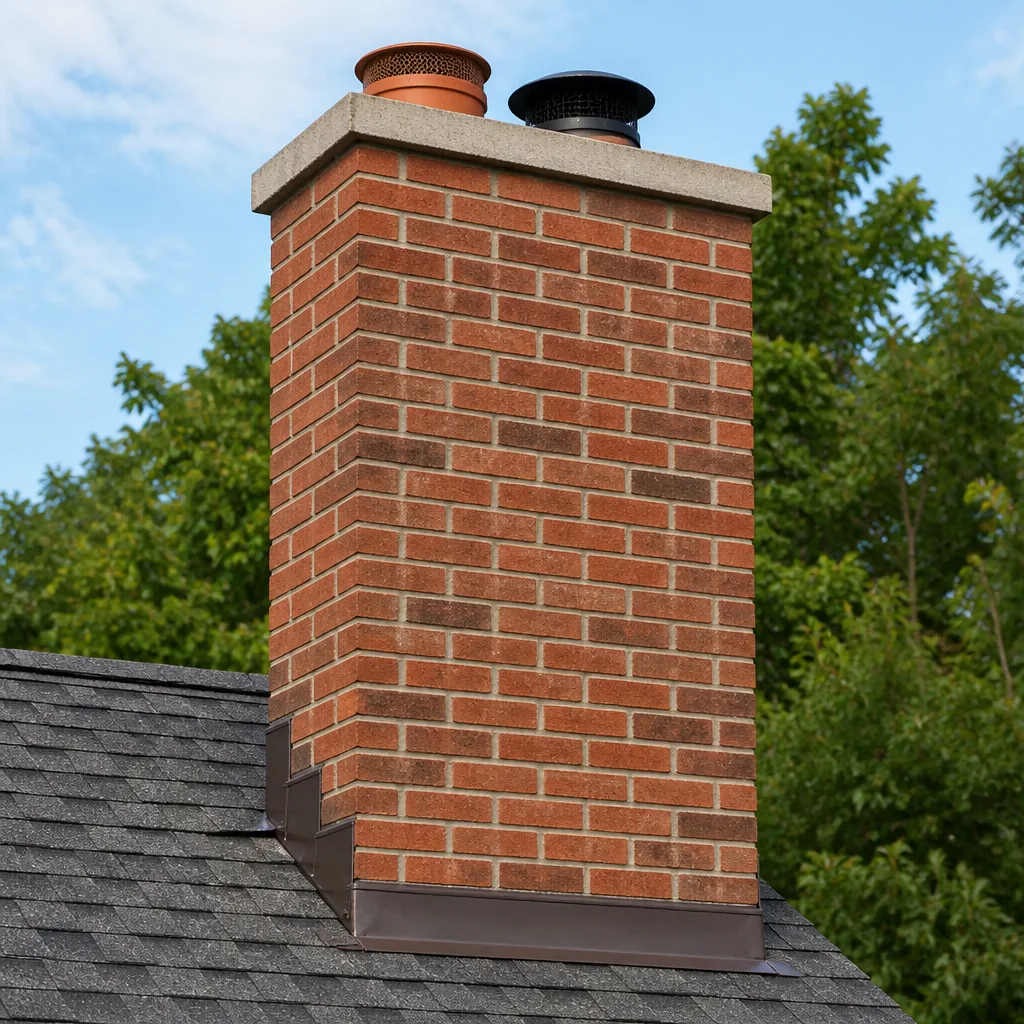 Masonry repair
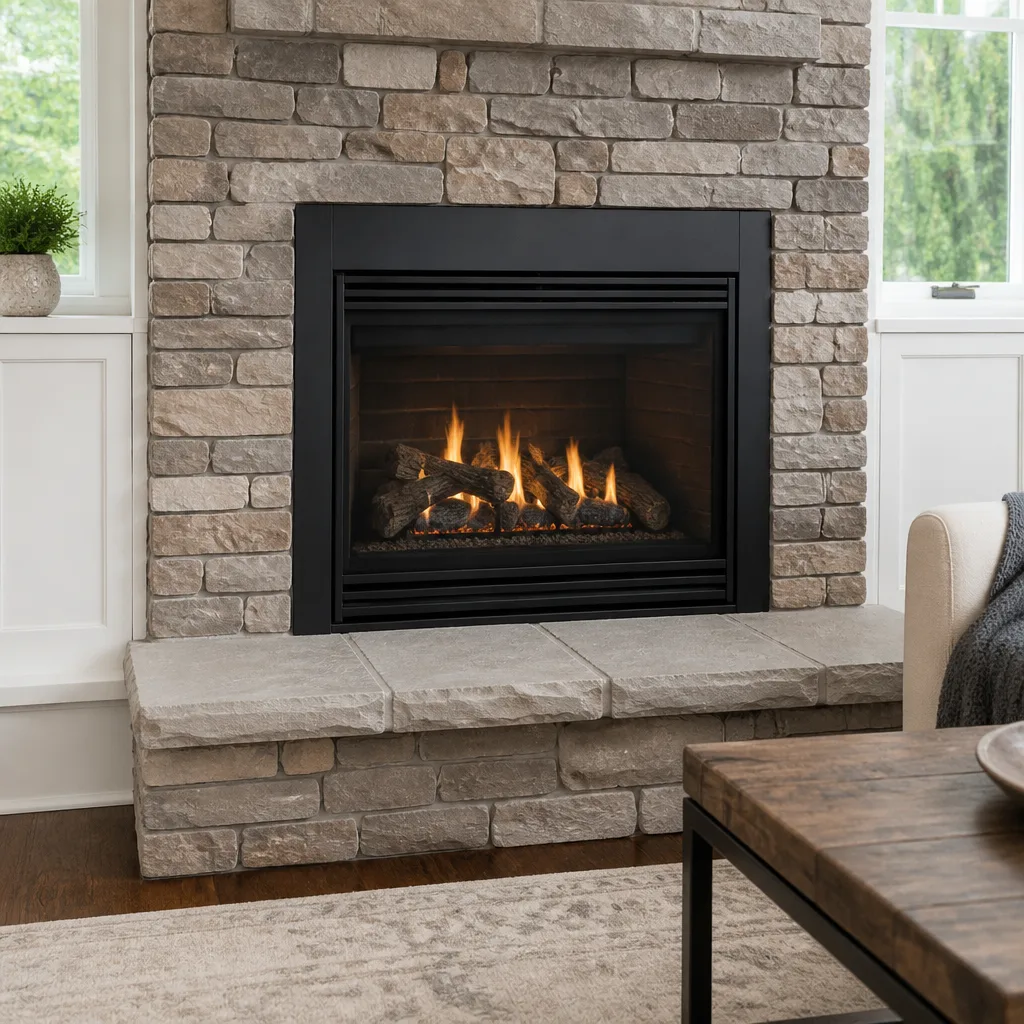 Gas fireplace service
Level 1 sweep and inspection to the NFPA 211 annual standard - flue, crown, cap, and flashing checked and photographed
Chimney sweep logs do not sweep chimneys. They loosen some creosote - which then falls where a brush and vacuum still have to collect it.
Chimney Cleaning Emergency Preparedness Guide for Downtown Santa Ana Homes
A chimney fire doesn’t always announce itself with flames shooting from the roof. The more common form is a slow burn inside the flue, identified by a low roaring sound, a vibration you feel through the hearth, and intense heat radiating from the fireplace wall that many homeowners mistake for “a really good fire.” That misread is exactly why chimney emergencies catch people unprepared. In this guide, we cover how to recognize a chimney fire while it’s happening, how carbon monoxide travels through a failing chimney system, what seismic and structural risks make Downtown Santa Ana chimneys a special case, and how to remove the conditions that cause the three most common chimney emergencies before the season starts. It’s written for anyone heating a Downtown Santa Ana home with wood.
Quick Answer
Chimney emergency preparedness means removing the conditions that cause fires, carbon monoxide events, and structural failures before they happen, and knowing exactly what to do if one does. For a Downtown Santa Ana home, that comes down to an annual Chimney Sweep Downtown Santa Ana, an NFPA 211 inspection, a sound cap and crown, and a clear plan for recognizing a chimney fire in progress. Most emergencies we encounter were predictable months earlier.
Styles & brands we work with
- Sweep & inspection
- Caps & crowns
- Flue relining
- Masonry repair
- Gas fireplace service
Table of Contents
- How Do You Recognize a Chimney Fire in Progress?
- How Does Carbon Monoxide Enter a Downtown Santa Ana Home Through the Chimney?
- What Should You Do After a Chimney Fire?
- Why Are Downtown Santa Ana Chimneys at Risk of Structural Collapse?
- What Pre-Season Steps Remove the Conditions That Cause Chimney Emergencies?
- How Creosote Buildup Sets the Stage for the Fire You Don’t Want
- How Does Downtown Santa Ana Weather Affect Chimney Health?
- What Does a Chimney Emergency Response Plan Look Like?
How Do You Recognize a Chimney Fire in Progress?
A chimney fire in progress announces itself through sound, smell, heat, and sometimes evidence on the roof and at the ground.
The most common form is a slow-burning chimney fire that a homeowner may mistake for a well-drawing fire. It burns inside the flue where creosote has built up beyond safe levels. That’s why knowing the signs matters more than watching for flames.
Watch and listen for these indicators:
- A low roaring sound that resembles a distant freight train or a deep humming in the flue. It may come and go as the fire pulses.
- Intense heat radiating from the fireplace surround, the mantel, or the wall behind the chimney. If you can’t comfortably hold your hand near the masonry, something’s wrong.
- Pieces of creosote or black flakes appearing on the roof, in the firebox, or on the ground near the chimney.
- A strong, tarry smoke smell inside the house, even with the damper open.
- A vibration or rumbling you can feel through the hearth or the floor near the chimney.
- Visible smoke or sparks discharging from the top of the chimney, especially with a hot, dense plume.
If you suspect a chimney fire in progress, the correct response sequence is: get everyone out of the house, call 911, and don’t use water inside the firebox. A chimney fire can spread into the framing even when it looks contained, and the fire department needs to assess it before anyone re-enters.
Downtown Santa Ana’s older housing stock includes many homes where the fireplace has been in use for a long time without an inspection. Those are exactly the chimneys where a slow-burning fire is most likely to go unnoticed. A chimney sweep in Downtown Santa Ana who inspects the flue with a camera will find the creosote level and any early-stage damage that makes a chimney fire more likely.
How Does Carbon Monoxide Enter a Downtown Santa Ana Home Through the Chimney?
Carbon monoxide enters a home when the chimney can no longer pull combustion gases safely up and out, and those gases find their way back into the living space.
A chimney that’s working correctly is under negative pressure relative to the house. Smoke and CO go up and out. When that pressure balance fails, combustion byproducts spill back into the room. CO is odorless and invisible, which is why the pathway matters more than the smell.
The three most common CO pathways in a chimney system:
- A cracked or deteriorated liner. Flue tiles crack with heat cycling. Once cracked, gases can escape into the chimney’s interior cavity and from there into wall cavities, attic space, or adjoining rooms.
- A blocked flue. Bird nests, leaves, soot fall, and deteriorated mortar can narrow or plug the flue. Smoke and CO have nowhere to go but back into the room.
- A failed damper seal. A damper that no longer closes tightly allows gases to leak past it, especially when the chimney is cold or the house is under negative pressure from other exhaust fans.
Here’s the point most preparedness guides miss: weatherproofing the chimney – capping it, sealing the crown, tuckpointing the exterior – does not address CO risk. Those repairs protect the masonry from water. They don’t fix a cracked liner or a partially blocked flue. The two jobs are different, and only one of them keeps CO out of the house.
Every home with a wood-burning fireplace should have working CO alarms on every level and outside each sleeping area. That’s not a chimney repair, it’s a code-level baseline. In Downtown Santa Ana homes with older chimneys, the alarms plus a Level II inspection are the two things that actually reduce the risk. We install DuraFlex flexible liner systems designed to meet NFPA 211 clearance standards when a liner is compromised, and that repair closes the CO pathway directly.
What Should You Do After a Chimney Fire?
After a chimney fire, the chimney system must not be used again until it has been inspected at the NFPA 211 Level III standard.
Level III is the most thorough inspection tier. It’s triggered when a chimney fire has occurred or when hidden portions of the system must be accessed. A Level I visual inspection and a Level II camera inspection don’t meet the bar after a fire, because the fire may have damaged components that neither of those tiers can see.
A Level III assessment after a chimney fire covers:
- The interior flue surfaces, inspected directly for cracks, spalling, and separation of tiles or liner sections.
- The chimney’s internal construction and any damage to adjacent framing or insulation.
- The firebox and smoke chamber, which take the highest heat during a fire.
- The cap and crown, which can crack or lift from thermal stress.
- The damper and its seal.
- Any concealed portions of the chimney that must be opened for direct inspection.
Until that assessment is complete, the fireplace stays cold. A chimney fire can leave a liner intact enough to look fine from the firebox while a section higher up is cracked. Continuing to burn in a post-fire chimney is how a small fire becomes a CO event or a second, larger fire.
If the assessment finds damage, the repair may be a full reline or HeatShield liner restoration, which resurfaces an aging flue without removing it. HeatShield is an EPA-recognized resurfacing alternative that extends the life of a chimney that would otherwise need a complete liner replacement. We apply it when the assessment shows the existing flue structure is sound enough to accept the resurfacing. In many cases it’s the difference between a full reline and a repair that costs less and preserves the original flue.
After the repair, the chimney is safe to use again, and the next inspection interval starts from that point. Homeowners who’ve been through a chimney fire in Downtown Santa Ana often need this level of documented assessment before their insurer will accept the system as safe.
Why Are Downtown Santa Ana Chimneys at Risk of Structural Collapse?
Downtown Santa Ana chimneys carry a specific structural risk that most preparedness guides don’t address: an unreinforced masonry chimney on an older home, sitting in a seismically active region, is a collapse hazard during an earthquake even if it looks sound.
Many of the homes in and around Downtown Santa Ana were built with brick chimneys that predate modern seismic reinforcement. Those chimneys are typically tall, narrow, and constructed without steel reinforcement through the masonry. Under lateral shaking, unreinforced masonry behaves poorly. Chimneys are among the most common nonstructural elements to fail in an earthquake, and a falling chimney can damage the roof, the walls, or anything directly below it.
Walk outside and look at your chimney from the ground before the season starts. What you’re assessing:
- Vertical alignment. A chimney that leans even slightly may have a failing foundation or shifted masonry. A plumb line held beside it shows the truth.
- Cracks in the masonry. Look for step-cracks through mortar joints, horizontal cracks, or diagonal cracks that follow the joints. Any of these indicate movement.
- Spalling brick faces. Brick that’s flaking or popping off its face has absorbed water and lost strength.
- Loose or missing mortar at the crown. A cracked crown lets water into the chimney’s interior, which accelerates deterioration.
- A chimney strap or tie system. If your chimney has external straps or braces, check that they’re intact and anchored. If it has none and the chimney is tall and unreinforced, that’s a question for a structural assessment.
- Separation from the house. A gap between the chimney and the exterior wall framing, even a small one, indicates the chimney is moving independently.
Chimney caps and crowns are part of this picture. The right chimney cap & crown protects the top of the chimney from water intrusion and animal entry, which are the two most common causes of long-term masonry deterioration. A cap sized to the flue is important; a loose-fitting cap lets rain in and lets birds nest in the flue. We work with Famco and Gelco caps and venting components to size the cap to the chimney, and the difference between a properly sized cap and an off-the-shelf one shows up over years, not days.
What we can’t do from a photograph is assess the chimney’s structural adequacy under seismic loading. That’s a question for a licensed structural professional. What we can do is inspect the chimney system and flag the visible signs that warrant that assessment.
What Pre-Season Steps Remove the Conditions That Cause Chimney Emergencies?
Pre-season preparation is cause removal, not a checklist of reactions. The three most common chimney emergencies – chimney fire, carbon monoxide event, and structural failure – each have specific conditions that create them, and each condition can be addressed before the season starts.
The cause-removal checklist:
- Remove the creosote. Creosote is the fuel for a chimney fire. A professional sweep removes it from the flue, the smoke chamber, and the firebox. Annual sweeping is the single most effective preventive step.
- Verify the liner. A Level II inspection with a camera shows the liner’s condition along its full length. A cracked tile is a future CO pathway. Catch it now, not after a fire.
- Confirm the flue is unobstructed. Birds, squirrels, leaves, and loose mortar can block a flue. A camera inspection confirms the flue is clear before you light the first fire.
- Inspect and repair the cap and crown. A cracked crown takes in water. A loose or missing cap lets in animals and rain. Both conditions cause the long-term deterioration that leads to structural problems.
- Check the damper seal. A damper that doesn’t close tightly allows heat loss and gas leakage. Have it checked during the inspection and repaired if it’s failing.
- Replace smoke and CO alarms that are past their service life. Alarms age out. If your alarms are past the manufacturer’s service interval, replace them before the season, not during a smoke event.
- Confirm the chimney’s exterior condition. Look at the chimney from the ground. Cracks, leaning, spalling, and separation are all reasons to have a professional assess the system before it’s put under heat load.
In Downtown Santa Ana, the pre-season window is the weeks before the first cold snap, when the evenings cool enough to make a fire tempting. The chimney should be swept and inspected before the fireplace is used for the season, not after the first fire produces a hot smell you can’t identify. A chimney sweep done in the pre-season sets the whole year up. If you wait until you notice a problem, you’re already behind.
For landlords and property managers responsible for tenant safety, the pre-season inspection also provides the documented proof of chimney condition that’s expected when you’re managing compliance for a downtown Santa Ana property. An NFPA 211 Level I inspection is the baseline and gives you a written record. Level II adds the camera inspection that a rental property with a working fireplace should have on file.
How Creosote Buildup Sets the Stage for the Fire You Don’t Want
Creosote is the residue left behind when wood smoke condenses on the interior of the flue, and it’s the fuel source for most chimney fires.
Creosote forms in stages. Glazed creosote – the hard, shiny, tarry layer – is the most dangerous form. It ignites at a lower temperature than the wood, so a single hot fire can set the entire flue ablaze. Even the softer, flaky forms of creosote, if they build up enough, can feed a fire.
The problem with creosote is that it’s invisible from the firebox. You can look up the flue from inside the house and see only the first few feet. The buildup that matters is higher up. That’s why a sweep with a camera is different from a quick brush. The sweep removes the creosote; the camera confirms the flue is clean and that no additional issues are hiding higher up.
Creosote accumulation is a function of wood choice, burning habits, and draft. Burning wet wood, choking the fire down to make it last, and a flue that runs too cool all increase creosote deposition. The fix is annual sweeping plus better burning habits. The chimney sweep removes the creosote that’s there. The inspection tells you whether the flue is drawing properly and whether a liner repair is needed to fix a cold flue that’s causing the creosote buildup in the first place.
How Does Downtown Santa Ana Weather Affect Chimney Health?
Downtown Santa Ana’s climate is mild and mostly dry, which shifts the risk profile for a chimney from freeze damage to water intrusion from rain and from animals looking for shelter.
Rain is the primary weather threat to a chimney here. Water enters through a cracked crown, a missing or loose cap, and deteriorated mortar joints. Once inside the masonry, it does what water does – it moves. It soaks into brick, freezes during the occasional cold snap, expands, and spalls the brick face. Over years, that weakens the exterior of the chimney and accelerates the structural issues we covered above. It also rusts the steel components of a prefabricated chimney system.
The dry parts of the year create the opposite problem: heat. A chimney that bakes in the sun all summer has its crown and mortar joints flexing with the daily temperature swing. Small cracks open. Then the first rain of the season drives water into them. The pattern repeats season after season.
The practical takeaway for a Downtown Santa Ana chimney is that the cap and crown are the first line of weather defense, not a cosmetic add-on. A properly fitted cap, sized to the flue and matched to the chimney’s construction, keeps rain and animals out. A sound crown sheds water away from the chimney’s interior. Both are part of a full chimney inspection, and both are repairs we can make in the same visit as the sweep, which is why we handle the full chimney system – sweep and inspection through cap and crown installation – so you’re not coordinating multiple contractors for a job that should be done in one pass.
What Does a Chimney Emergency Response Plan Look Like?
A chimney emergency response plan is a short set of written steps your household can follow if a chimney fire or CO event occurs. It’s not complicated, but it has to be decided in advance.
Here’s what a workable plan covers:
- Recognition. Everyone in the house should know the signs of a chimney fire in progress – the roaring sound, the intense heat, the smell. The slow-burning type is the one most likely to be missed.
- Evacuation. The moment a chimney fire is suspected, everyone leaves the house. No one stays behind to close dampers or look up the flue.
- Calling 911. The fire department should be called even if the fire appears to be out by the time they arrive. Chimney fires can conceal extension into the framing.
- CO alarm response. If a CO alarm sounds, everyone leaves the house, and the fire department and gas utility are called. No one opens windows to “clear the air” first; the alarm is indicating a real gas presence.
- Post-event rule. The chimney doesn’t get used again until a Level III inspection and any necessary repair are complete.
- Contact information. A chimney professional and the insurer are both in the plan. The chimney professional does the assessment; the insurer handles the property claim.
Post-fire assessment and repair is where HeatShield and DuraFlex come in. If the flue is damaged, we can reline it with DuraFlex flexible liner or restore it with HeatShield, and the plan picks up from there. The same team does the inspection and the repair, so there’s no gap where one contractor hands the job to another and something gets missed.
A plan that lives only in someone’s head isn’t a plan. Write it down, go over it with everyone in the house, and revisit it each season. The same pre-season visit that handles the sweep and inspection is the moment to walk through the plan.
Common Mistakes to Avoid
- Mistaking a slow-burning chimney fire for a good fire. The low roar and intense radiant heat are not signs of a well-drawing fire; they’re signs of a fire in the flue. If the wall behind the fireplace gets too hot to touch comfortably, suspect a chimney fire, not a good burn.
- Weatherproofing the chimney and calling it done. A new cap and a sealed crown protect the masonry from water, but they do nothing for a cracked liner or blocked flue. CO risk is a separate problem from weather damage, and it requires a Level II camera inspection to rule out.
- Using the fireplace after a chimney fire without a Level III inspection. The damage from a chimney fire often hides in the upper flue or the smoke chamber. The system is not safe to use again until a Level III assessment has been completed.
- Skipping the annual sweep because the chimney “looks fine.” Creosote builds where you can’t see it. The visible portion of the flue tells you almost nothing about the upper stack. Annual sweeping and a camera inspection are the only way to know.
- Ignoring exterior cracks and leaning on an older Downtown Santa Ana chimney. In a seismically active region, an unreinforced masonry chimney that’s showing visible cracks or leaning needs a structural assessment before it’s put under heat load. A sound-looking chimney isn’t the same as a stable one.
- Using off-the-shelf caps and venting parts. A cap that’s not sized to the flue lets water and animals in, and it can also disrupt draft. Famco and Gelco components are professional-supply parts sized to the chimney, not hardware-store substitutes that fit approximately.
- Burning green or wet wood. Wet wood burns cooler and deposits more creosote. Seasoned firewood and a hot, efficient fire are part of chimney fire prevention, and they work together with the annual sweep.
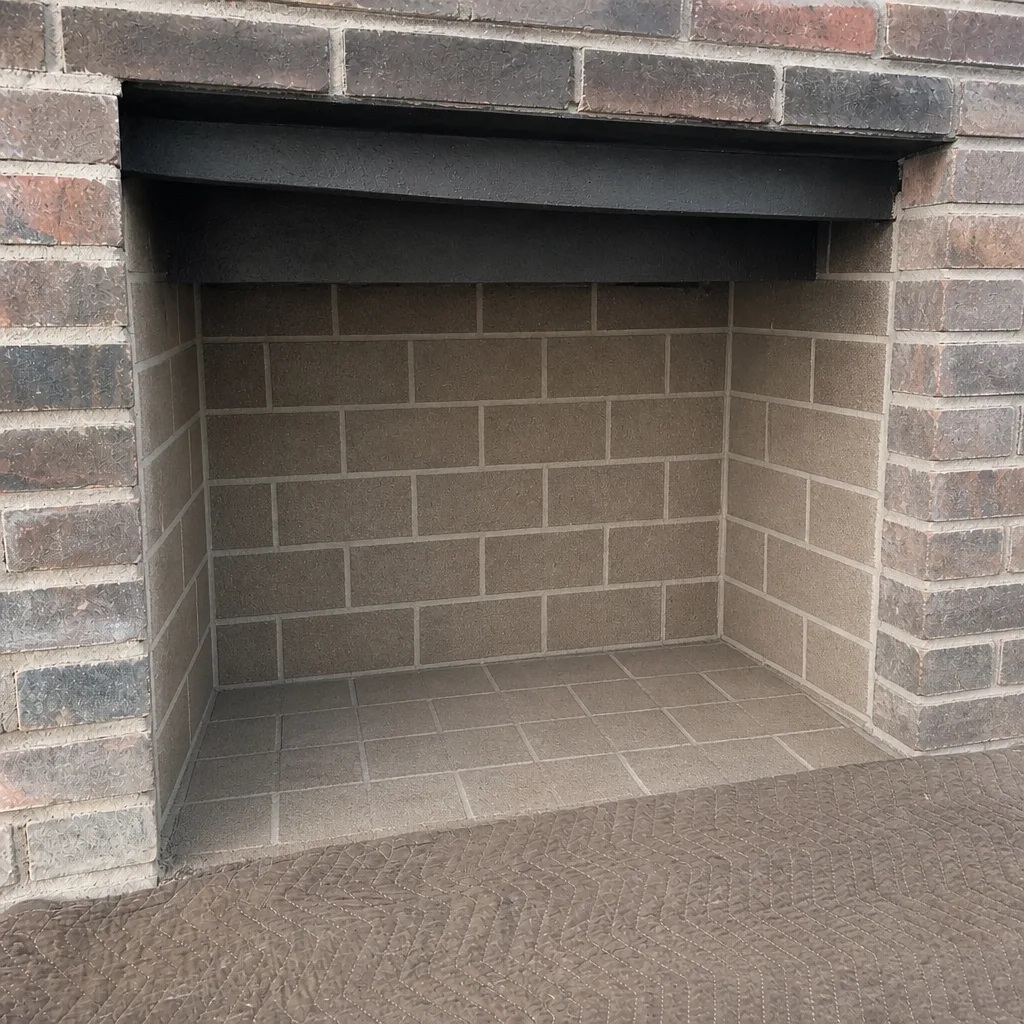
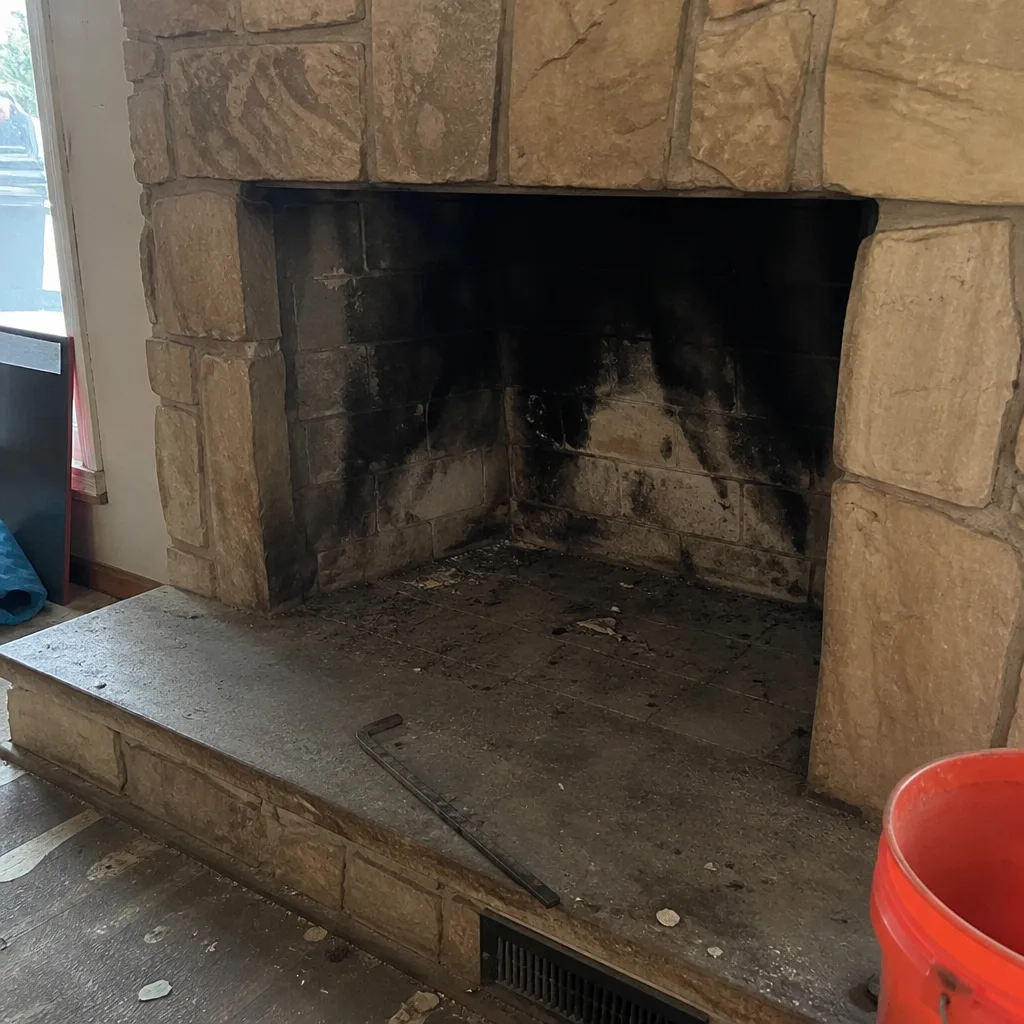
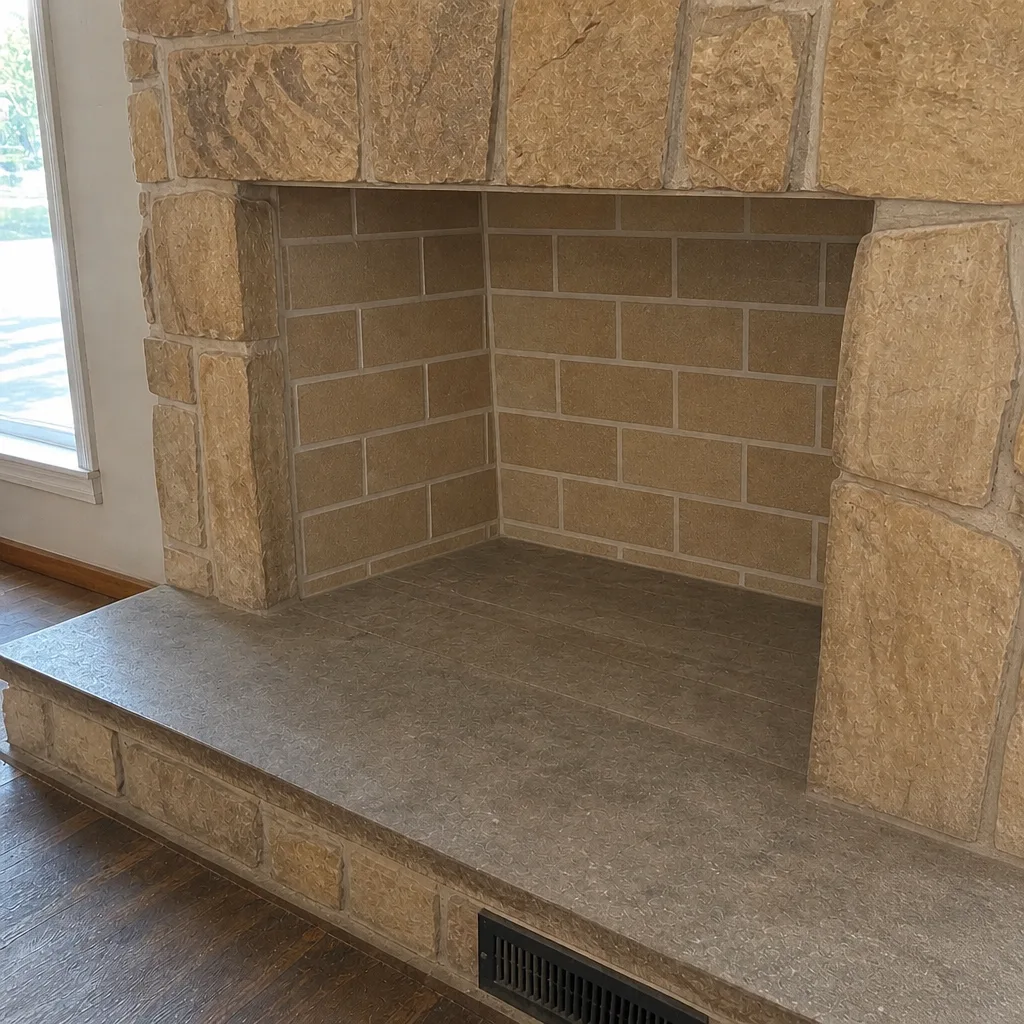
See the difference
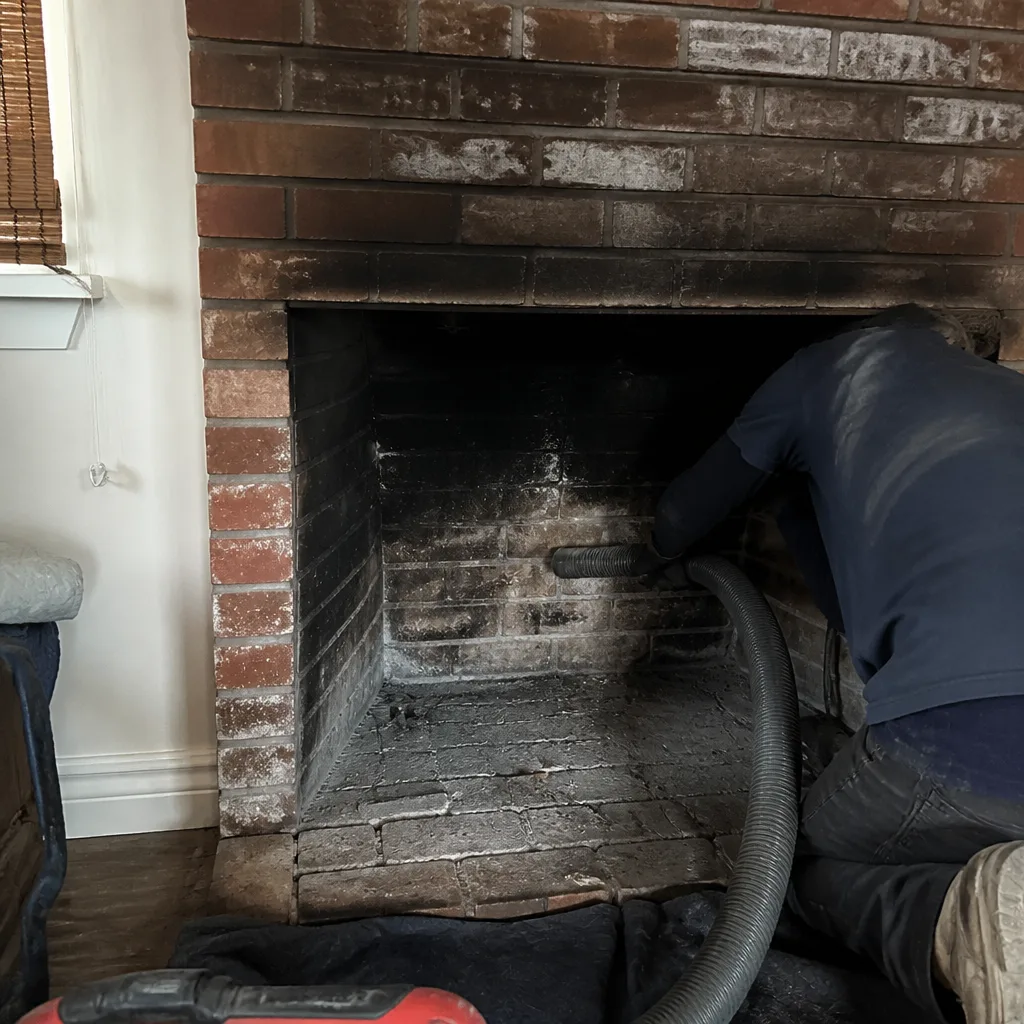 Before
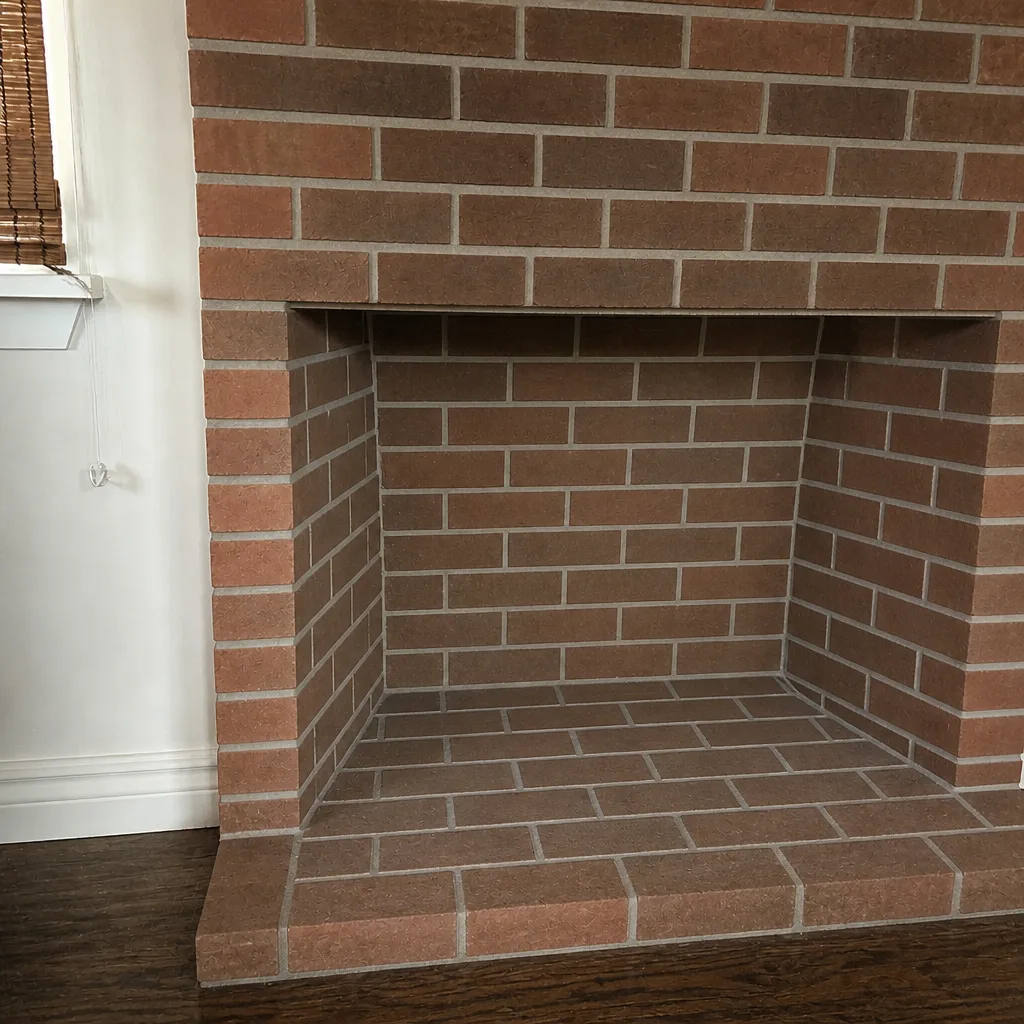 After
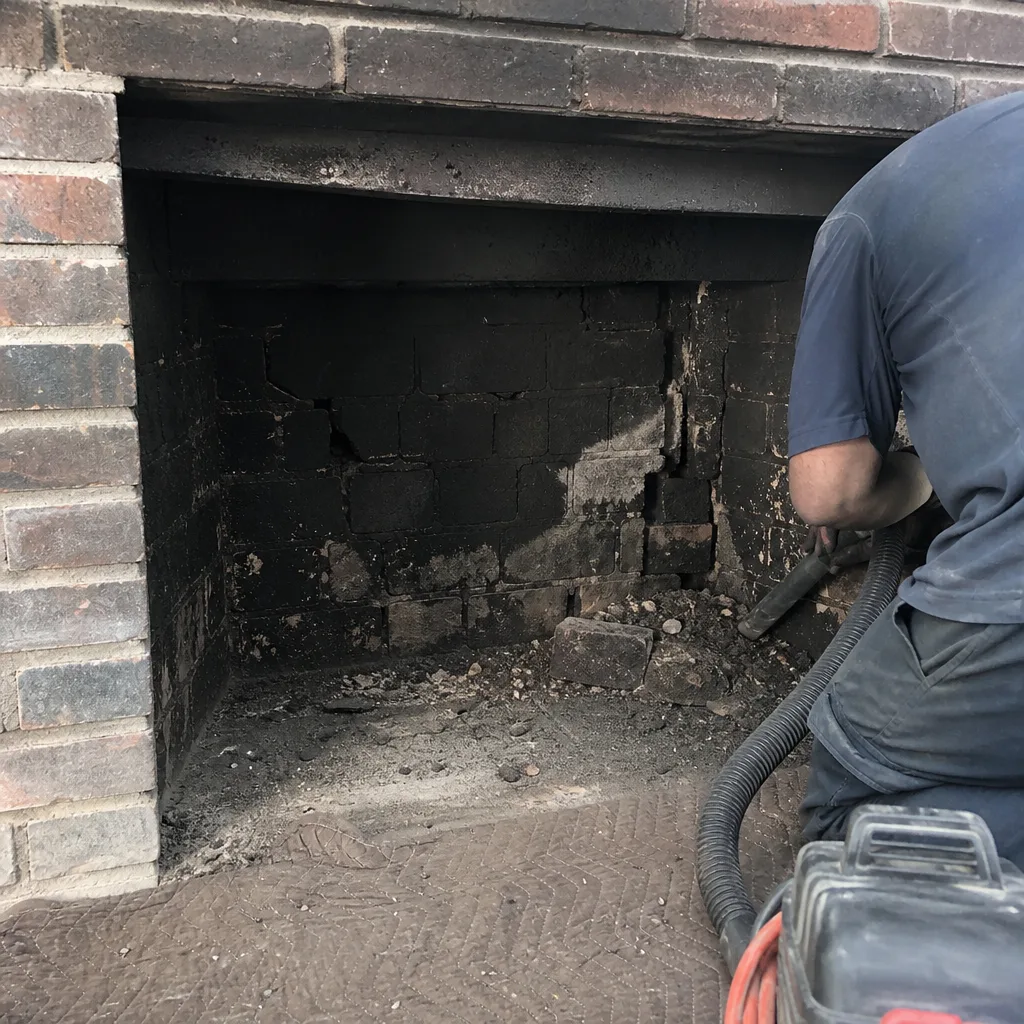 Before
 After
 Before
 After
When to Call a Professional
Some chimney work is a homeowner’s routine. Most chimney emergencies are not. Call a professional when you smell a strong creosote or tarry odor during or after a fire, when the wall around the fireplace feels hot to the touch, when you’ve had a chimney fire of any size, when a CO alarm has sounded anywhere in the house, when you see cracks or leaning on the exterior masonry, or when it’s been more than a year since the last sweep and inspection. In Downtown Santa Ana, the older housing stock makes the annual inspection more important, not less, because aging liners and unreinforced masonry are the two conditions that turn a small problem into a serious one. Chimney Sweep Downtown Santa Ana offers free estimates in Downtown Santa Ana. Call (866) 947-9102. We answer 24/7. Fast dispatch from 7am to 7pm, Sunday through Friday.
Frequently Asked Questions
Once a year is the standard for a chimney that’s used regularly, and it’s the interval most chimney professionals recommend. A Downtown Santa Ana home that burns wood through the cooler months should be swept and inspected before the season starts. If you burn heavily, or if the wood is on the wet side, the sweep may find enough creosote to warrant a second visit mid-season. Call (866) 947-9102 to book a sweep and inspection; estimates are free.
A chimney fire in progress typically sounds like a low roaring or rumbling, similar to a distant freight train or a deep humming in the flue. The sound may pulse. It’s often accompanied by intense heat radiating from the fireplace wall. If you suspect a chimney fire, get everyone out of the house, call 911, and don’t use the fireplace again until a Level III inspection is done. Call (866) 947-9102 for a post-fire assessment.
Yes. A cap and crown protect the chimney from water and animals, but they don’t prevent CO from entering the living space through a cracked liner, a blocked flue, or a failed damper seal. CO risk is a separate problem from weatherproofing, and it requires a Level II camera inspection to assess. Every home with a wood-burning fireplace should also have working CO alarms on every level. Call (866) 947-9102 to schedule an inspection; estimates are free.
Yes, because what’s visible from the ground tells you very little about the flue’s interior or the chimney’s upper structure. A camera inspection shows the liner’s condition along its full length, and it’s the only way to confirm the flue is clear. In Downtown Santa Ana, older masonry chimneys can look sound while carrying unseen cracks, so the inspection matters more here, not less. Call (866) 947-9102 for a free estimate on an inspection.
No. Even a small chimney fire requires an NFPA 211 Level III inspection before the system is used again, because fire damage often hides in the upper flue, the smoke chamber, or behind the masonry. Continuing to burn in a post-fire chimney is how a small fire becomes a CO event or a larger fire. Call (866) 947-9102 to book a Level III inspection and any necessary repair; estimates are free.
A HeatShield restoration resurfaces an aging flue from the inside and extends its service life without removing the existing liner, while a full reline replaces the liner entirely with a new flexible liner system. HeatShield is the option to consider when the assessment shows the existing flue structure is sound enough to accept resurfacing, and it often costs less than a complete reline. When the flue is too far gone for restoration, a DuraFlex flexible liner system is the more durable solution. Both repairs are done by the same team, so you’re not coordinating multiple contractors. Call (866) 947-9102 for a free estimate and an honest assessment of which repair your chimney needs.
The Bottom Line
Chimney emergencies have predictable precursors. A slow-burning chimney fire announces itself through sound and heat before it announces itself through visible damage. Carbon monoxide travels through a cracked liner, a blocked flue, or a failed damper seal, and weatherproofing doesn’t address it. Structural failure follows visible signs – cracks, leaning, spalling – that are assessable before the chimney fails. The pre-season sweep and inspection, done every year, is the moment all of those conditions are caught and removed. For a Downtown Santa Ana home, the annual chimney sweep plus an NFPA 211 inspection plus a sound cap and crown are the three things that keep the system working the way it should. Everything else – the plan, the alarms, the recognition steps – layers around those three. If your fireplace needs a look, we’re here.
Written by the team at Chimney Sweep Downtown Santa Ana.