
Last updated November 25, 2026
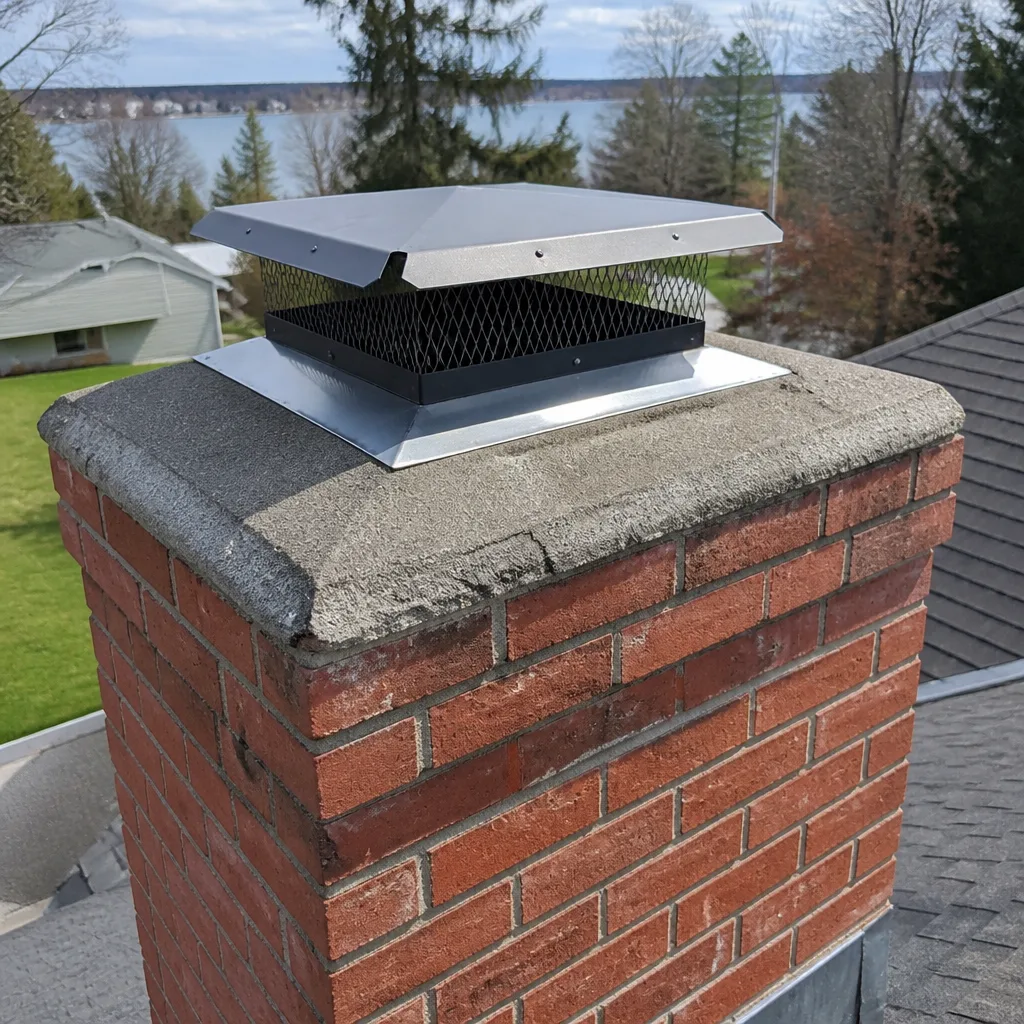 Sweep & inspection
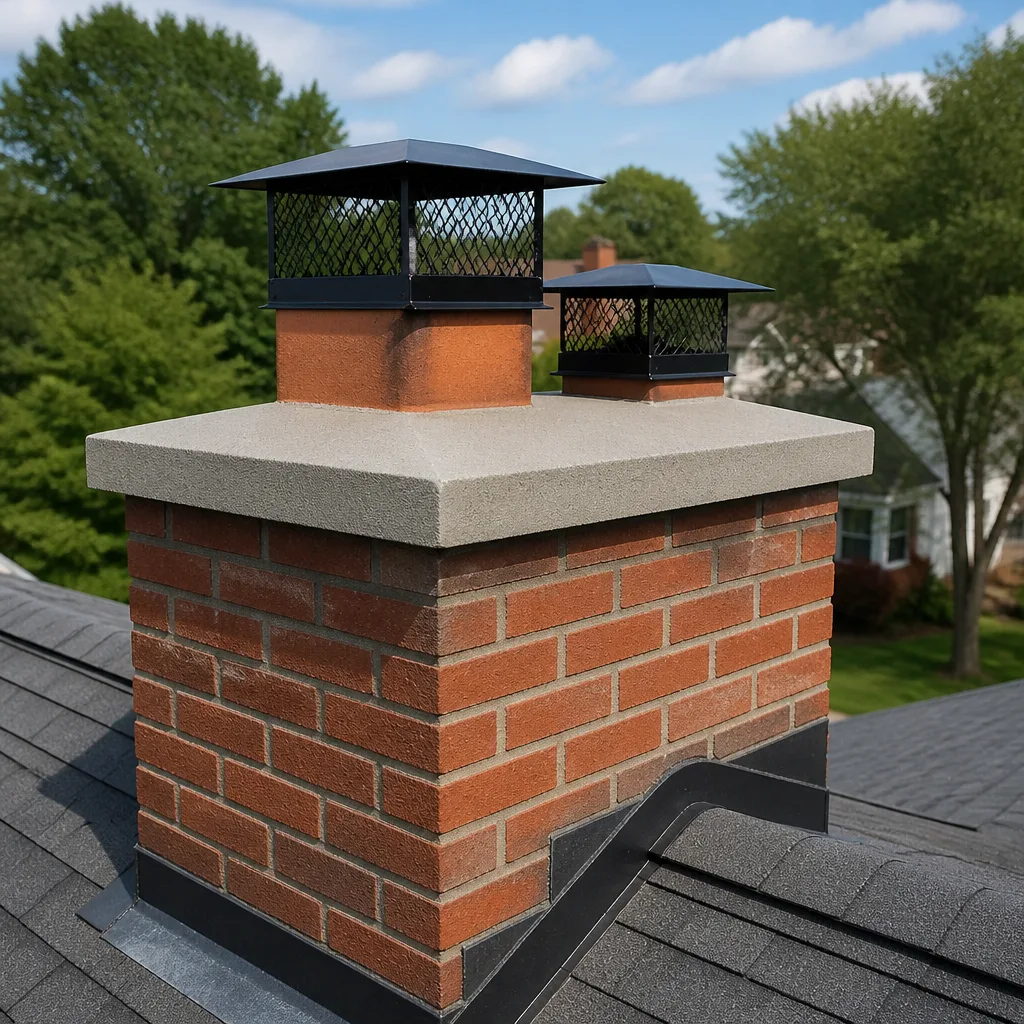 Caps & crowns
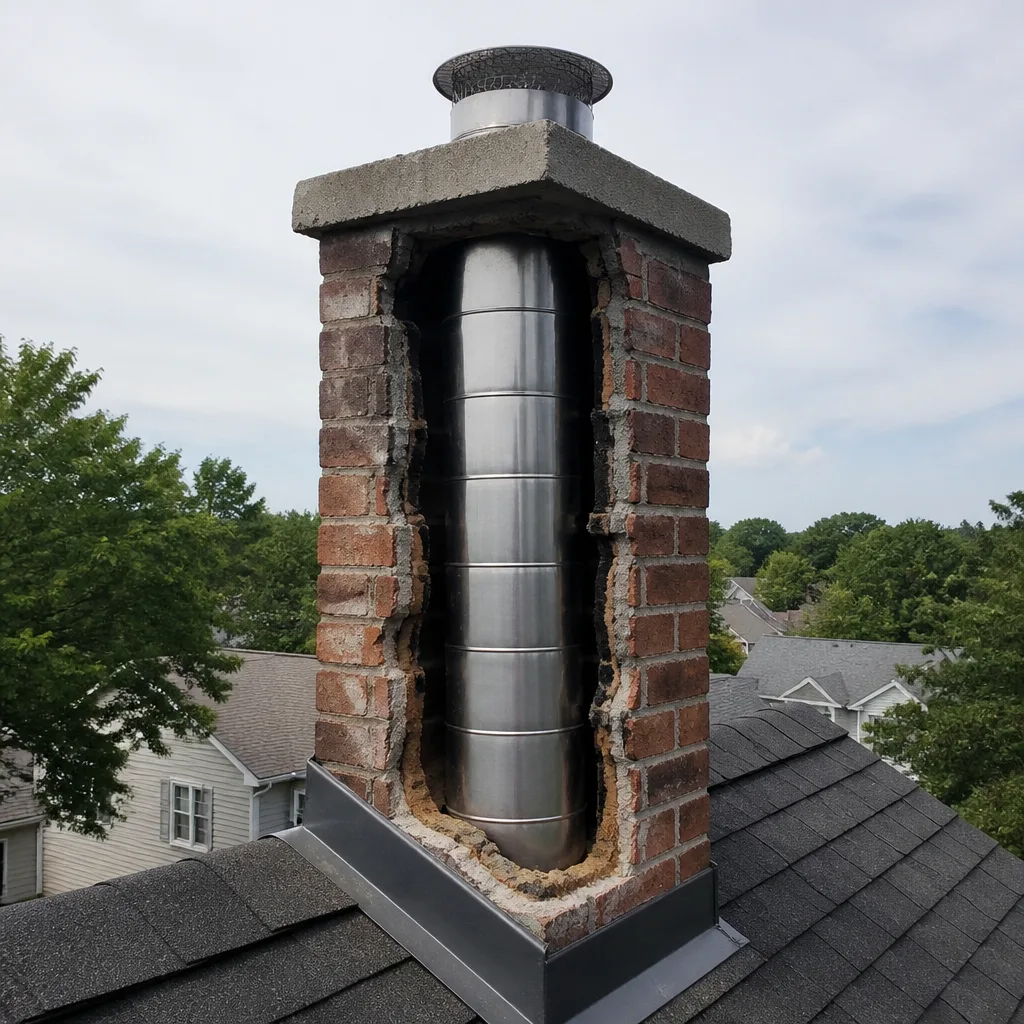 Flue relining
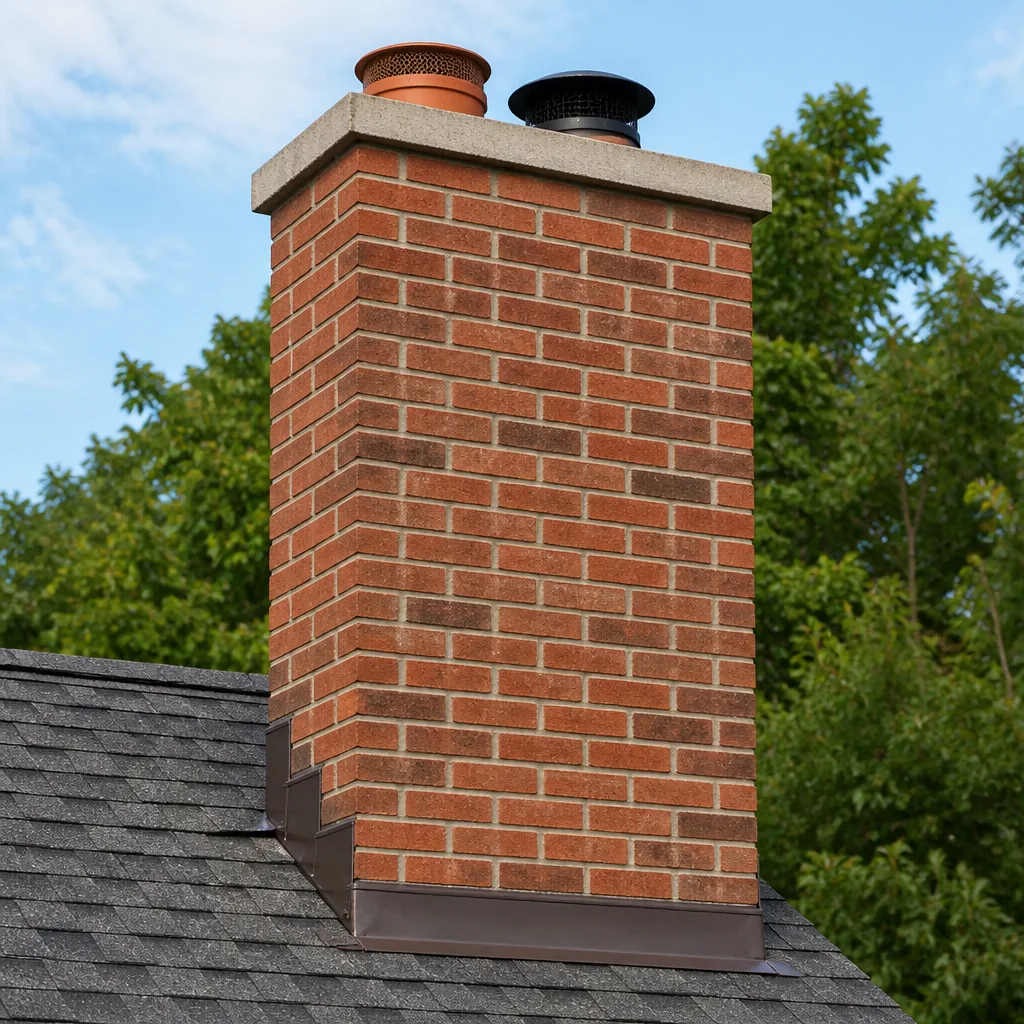 Masonry repair
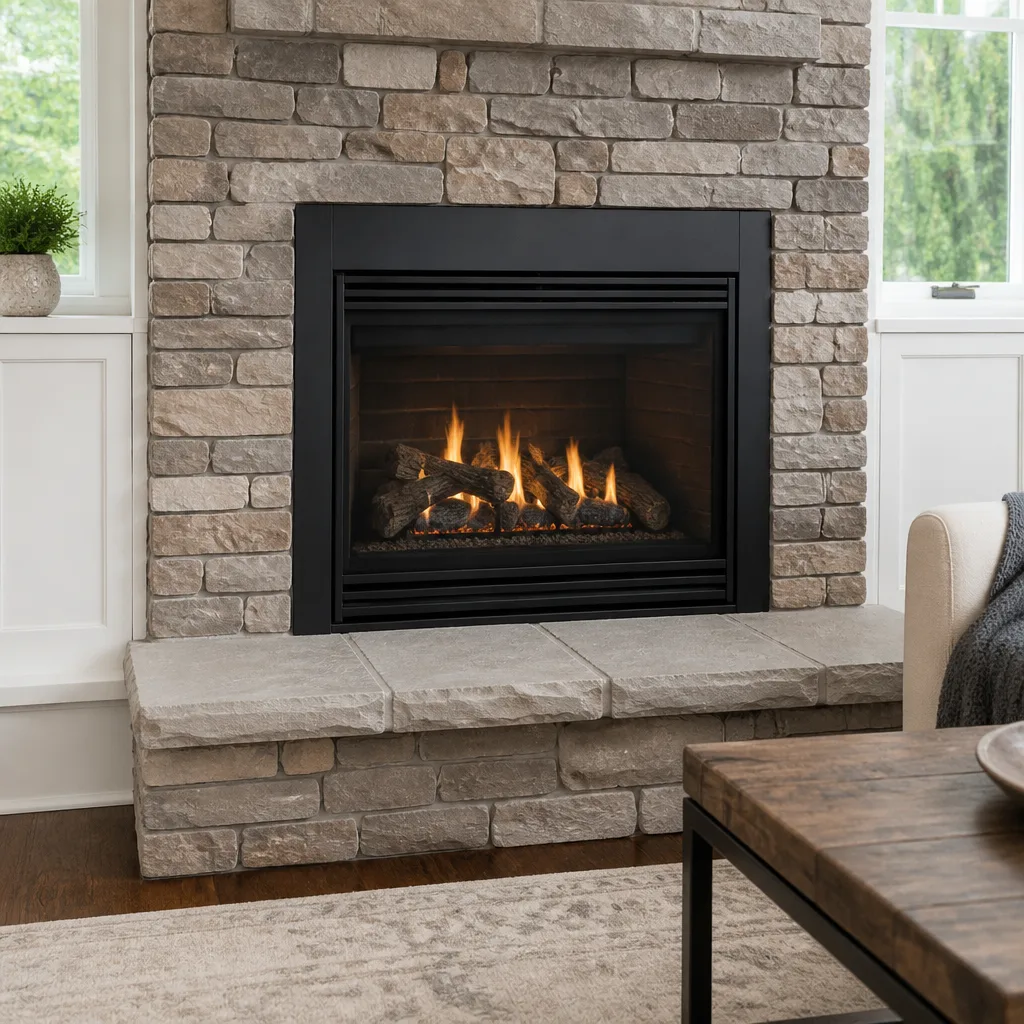 Gas fireplace service
Level 1 sweep and inspection to the NFPA 211 annual standard - flue, crown, cap, and flashing checked and photographed
Chimney sweep logs do not sweep chimneys. They loosen some creosote - which then falls where a brush and vacuum still have to collect it.
Chimney Sweep Troubleshooting in Downtown Santa Ana: Common Problems and How to Fix Them
A smoky living room doesn’t automatically mean a blocked flue. In Southern California’s mild climate, it’s more often a cold-stack pressure problem, one that clears itself in minutes once you know what you’re feeling for. That single fact saves Downtown Santa Ana homeowners more unnecessary repair calls than any other piece of chimney wisdom we can pass along. In this guide, you’ll learn how to read your chimney’s symptoms, smell and smoke behavior, and draft direction before anyone picks up a tool. You’ll find out which problems you can diagnose yourself, which need a trained eye, and how Santa Ana’s warm days and seasonal winds play tricks on a chimney that’s actually working fine.
Quick Answer
Most chimney problems in Downtown Santa Ana fall into three groups: draft failure from a cold stack (common and usually harmless), creosote restriction from infrequent sweeping (needs a cleaning), and structural damage to the flue or crown (needs inspection and repair). You can tell them apart by watching how the smoke behaves when you first light a fire, smelling the odor when the chimney is cold, and checking the firebox and cap from the ground with binoculars. A smoky start that clears in five minutes is almost always a cold-stack draft reversal, not a blockage. Smoke that gets worse as the fire heats up, or that comes back on a windy day, points to a real restriction or a pressure problem that needs professional attention.
Styles & brands we work with
- Sweep & inspection
- Caps & crowns
- Flue relining
- Masonry repair
- Gas fireplace service
Table of Contents
- Why a Smoky Start Doesn’t Mean a Blocked Flue
- The Three Root Causes: Draft, Creosote, Structure
- Mapping Symptoms to Causes Before You Pick Up a Tool
- How Santa Ana Winds Change Your Chimney’s Draft
- What You Can Check Yourself and What Needs a Level II Inspection
- Reading Odor and Smoke Color
- When It’s Time to Book a Sweep
Why a Smoky Start Doesn’t Mean a Blocked Flue
A chimney works on temperature difference. Hot air rises, and if the flue is warmer than the outside air, it pulls smoke up and out. When the flue is cold and the outside air is warm, the physics flips. Air wants to come down the chimney instead of going up, and smoke spills into the room until the fire heats the flue enough to reverse the flow. This is cold-stack draft reversal, and in Southern California’s mild winters, it’s the single most common reason a Downtown Santa Ana homeowner calls us convinced the chimney is blocked when it isn’t.
Here’s the two-minute test we recommend. Before you light the fire, crack a nearby window an inch or two and hold a lit rolled-up newspaper just inside the open damper for 30 to 60 seconds. You’ll feel the air either pull the flame upward or push it back. If it pushes back, the flue is cold and reversed: warm it gradually, then light your fire normally. If it pulls upward, the draft is already working and any smoke you saw earlier came from something else.
The signs that point to cold-stack reversal rather than a blockage:
- Smoke appears only at the very start of a fire, then clears within five to ten minutes.
- The fireplace works fine at night or on cool mornings, and misbehaves on warm days.
- You smell a faint smoky odor when the chimney is cold, but nothing when a fire is burning.
- Smoke stops spilling once the room has a window cracked.
If you see those patterns, you don’t need a repair. You need a warm-up routine, and the confidence to keep using your fireplace. That’s a conversation worth having before you schedule a Chimney Sweep Downtown Santa Ana, since a sweep won’t fix a cold stack.
The Three Root Causes: Draft, Creosote, Structure
Nearly every chimney complaint a Downtown Santa Ana homeowner describes, whether it’s smoke, smell or soot, traces back to one of three root causes: draft failure, creosote restriction, or structural damage. Learning to place your problem in one of these categories is the fastest route to knowing whether you need a sweep, a repair, or simply a better lighting habit.
Draft failure
Draft failure is a pressure and temperature problem. The flue is intact and clear, but the air isn’t moving the way it should. It can come from a cold stack, from a house that’s too tightly sealed for makeup air, from a competing exhaust fan or dryer running, or from wind pushing against the top of the chimney. In Downtown Santa Ana’s older homes, tight modern windows and doors added to a house built before efficient envelopes were common often create a slight negative pressure that pulls smoke back down the flue.
Creosote restriction
Creosote is the condensed residue of incomplete combustion, and it builds up on the flue walls over time. A thin glazed layer is normal after a season of use. A thick layer restricts airflow and, in severe cases, reduces the flue opening enough to cause smoke to back up. Creosote also burns, which is why regular sweeping matters. If you burn wood regularly through the cooler months, an annual visit from a chimney sweep is the standard recommendation.
Structural damage
Cracks in the flue tile, gaps in the mortar, a damaged crown, or a missing or rusted cap all fall under structural damage. These problems can let water, birds or debris into the chimney, and they compromise the safety barrier between your fire and the structure of the house. Structural damage almost always requires an inspection to identify and repair work to fix. It’s the category that most deserves a trained eye. Our full-spectrum service covers sweep, inspection, cap and crown, and repair in one visit, so nothing gets overlooked between categories.
Mapping Symptoms to Causes Before You Pick Up a Tool
Before you call anyone, you can learn a lot by watching three things: how the smoke behaves, what the chimney smells like when it’s cold, and which direction the draft is pulling. The table below maps the most common symptoms Downtown Santa Ana homeowners report to their most likely root cause. Use it as a starting point, not a final diagnosis.
- Smoke rolls out at the start, then clears → cold-stack draft reversal. Warm the flue, crack a window.
- Smoke gets steadily worse as the fire burns → creosote restriction or a partial blockage. Book a cleaning.
- Smoke comes down only on windy days → negative pressure from wind or a short flue. Check the cap and the crown.
- Strong smoky smell when the chimney is cold and unused → creosote odor or downdraft. A sweep usually clears it.
- Soot or black stains on the firebox or wall → chronic draft failure or a structural crack. Needs inspection.
- Water stains, rust spots or material falling into the firebox → damaged crown, cap or flue. Needs repair.
- Foul, musty odor → animal nesting, debris or water intrusion. Needs a cap and a cleaning.
You can check several of these yourself safely: look at the firebox for staining, examine the crown and cap from the ground with binoculars, and note whether the draft pulls up or down using the newspaper test. What you should not do is reach up into the flue, climb on the roof, or try to knock creosote loose with a brush on a pole. Those steps risk a fall or damage to the flue, and they tell you less than an inspection would. For a chimney inspection that tells you exactly what’s safe, what’s not, and what can wait, book a professional to read the evidence on camera and in person.
How Santa Ana Winds Change Your Chimney’s Draft
Santa Ana winds are the offshore gusts that sweep through the region from the northeast, most often in fall and winter, and Downtown Santa Ana sits squarely in their path. When a strong wind hits the top of a chimney, it can do one of two things. If the wind flows cleanly over the cap, it actually helps the draft by pulling air up and out. If the wind hits at an angle or creates turbulence over the roof, it can press down into the flue and push smoke back into the living room.
This is why a chimney that works fine on a calm evening can suddenly smoke when the wind picks up. The problem usually isn’t the chimney itself but the pressure around the top of it. Three factors decide whether your chimney handles wind well:
- Cap height and design. A cap that sits too low, or one without wind-resistant geometry, catches turbulent air. We stock and install Famco and Gelco chimney caps sized to the flue opening and the roof profile, which is where off-the-shelf caps often fall short.
- Flue height relative to the roof. A flue that terminates too close to the roofline sits in the turbulent zone. The National Fire Protection Association’s standards for chimney height exist for exactly this reason.
- House pressure. A tight house with a running kitchen fan or clothes dryer pushes a slight negative pressure into the living space, and wind on top makes it worse. Cracking a window on the downwind side equalizes pressure and often solves it on the spot.
If your chimney misbehaves only on windy days, don’t assume it needs a reline. In our experience, most wind-driven smoke problems Downtown Santa Ana homeowners report trace back to a cap or pressure issue, and both are fixable without major work. A chimney cap & crown check is the right first step.
What You Can Check Yourself and What Needs a Level II Inspection
There’s a clean line between what a homeowner can safely check and what requires a trained technician. Knowing where that line sits saves you time and keeps you off the roof. The NFPA 211 standard draws the same line: Level I visual inspections cover what’s accessible, while a Level II inspection goes further, using a camera and video equipment inside the flue to document its condition. Anything beyond a visual check from the firebox and the ground belongs on the professional side.
Safe for you to check:
- Draft direction using the newspaper test at the open damper.
- Visible staining, soot, or rust inside the firebox.
- The cap and crown from the ground with binoculars.
- Whether smoke spills, and when.
- Whether other exhaust fans affect the fireplace when they run.
Requires a professional:
- Anything inside the flue, including creosote scraping or a camera run.
- Roof work, including cap and crown inspection or replacement.
- Any suspected crack, gap or structural problem in the flue or masonry.
- Chimney fire damage assessment.
- Any decision about liner replacement or restoration.
In our experience, the most common mistake homeowners make is diagnosing a structural problem from the firebox and assuming a full reline is the only fix. Sometimes it is, but often a HeatShield liner restoration extends the life of an aging flue without the cost of a full liner replacement. You can’t know which applies without the evidence a Level II NFPA 211 inspection produces. Doing the safe checks yourself first means you walk into the inspection already knowing your symptom, which makes the conversation sharper and the estimate easier to read.
Reading Odor and Smoke Color
Your nose and your eyes tell you more about a chimney’s condition than most homeowners realize. A faint smoky smell on a cool, damp day is normal and points to cold-stack downdraft. A sharp, acrid smell that lingers for days is a sign of creosote buildup, and it usually means the chimney is due for a cleaning. A musty, earthy smell that shows up after rain or in the heat of summer often means water intrusion, a bird nest, or debris in the flue.
Smoke color is equally useful:
- White or gray, thin, and rising steadily – normal combustion. The chimney is doing its job.
- Gray and rolling back into the room – draft failure, usually cold stack or negative pressure.
- Black, thick, and slow to rise – incomplete combustion, often wet wood or a restricted flue. Switch to dry, seasoned wood and check whether the restriction clears.
- White and puffing irregularly with a bitter smell – watch for creosote ignition. If smoke or flame appears at the top of the chimney, treat it as a chimney fire and call the fire department, then book an inspection before using the fireplace again.
What looks like a small, harmless smell in the firebox can be a meaningful signal about the flue’s condition. Using your senses as a first diagnostic keeps you from over-reacting to a cold stack and from under-reacting to real creosote buildup. When the answer isn’t obvious, a fireplace and chimney technician who’s familiar with both combustion and construction can settle it quickly. If the firebox itself is showing damage, that’s a separate service, and our fireplace repair handles the firebox, damper and hearth side of the system.
When It’s Time to Book a Sweep
You don’t need to call a sweep for every smoky evening. You do when the symptoms point past cold-stack reversal. Book a sweep if your fireplace smokes through a whole fire, if you smell creosote persistently, if you burn wood regularly and haven’t had the chimney cleaned in a year, or if you see staining or soot accumulating faster than usual. For homeowners and landlords who use their fireplaces regularly, an annual sweep and inspection is the standard recommendation, and it’s what keeps a small restriction from turning into a safety concern.
A sweep is also the moment to get the rest of the system looked at. One visit that covers the cleaning, the inspection, the cap and the crown means no coordination between contractors and no gaps between inspections. If you’re a landlord responsible for tenant safety, that same visit produces the documented inspection you need for your records, aligned with NFPA 211 standards. Scheduling a chimney sweep early in the season means you find problems while there’s still time to plan the repair.
Common Mistakes to Avoid
- Assuming every smoky fire means a blocked flue. In Downtown Santa Ana’s warm climate, most smoky starts are cold-stack reversal. Test the draft before you assume the worst, or you may pay for a cleaning that fixes nothing.
- Burning wet or green wood. Unseasoned wood creates far more creosote than dry, seasoned wood, and it’s the fastest way to clog a clean flue. Ask for seasoned firewood and store it dry.
- Skipping the annual sweep because the fireplace “seems fine.” Creosote builds up invisibly. A chimney can look and smell normal while the flue walls are coated enough to be a fire concern.
- Climbing onto the roof to check the cap yourself. It’s the most common way a small fireplace issue turns into a serious injury. Use binoculars; leave the climb to a technician.
- Using a hardware-store cap that doesn’t fit. Off-the-shelf caps often sit too low or don’t seal correctly, and wind-driven smoke gets worse instead of better. Precisely sized caps from brands like Famco and Gelco make the fit right the first time.
- Calling a general handyman for a chimney problem. Chimney diagnosis and repair require tools and materials, such as DuraFlex flexible liners and Olympia Chimney components, that general contractors don’t typically carry, and the wrong material can compromise the flue.
- Ignoring a chimney fire once it’s out. Even a small fire can crack flue tiles or distort a liner. Book an inspection before lighting the fireplace again, and don’t assume it’s fine because the smoke cleared.
See the difference
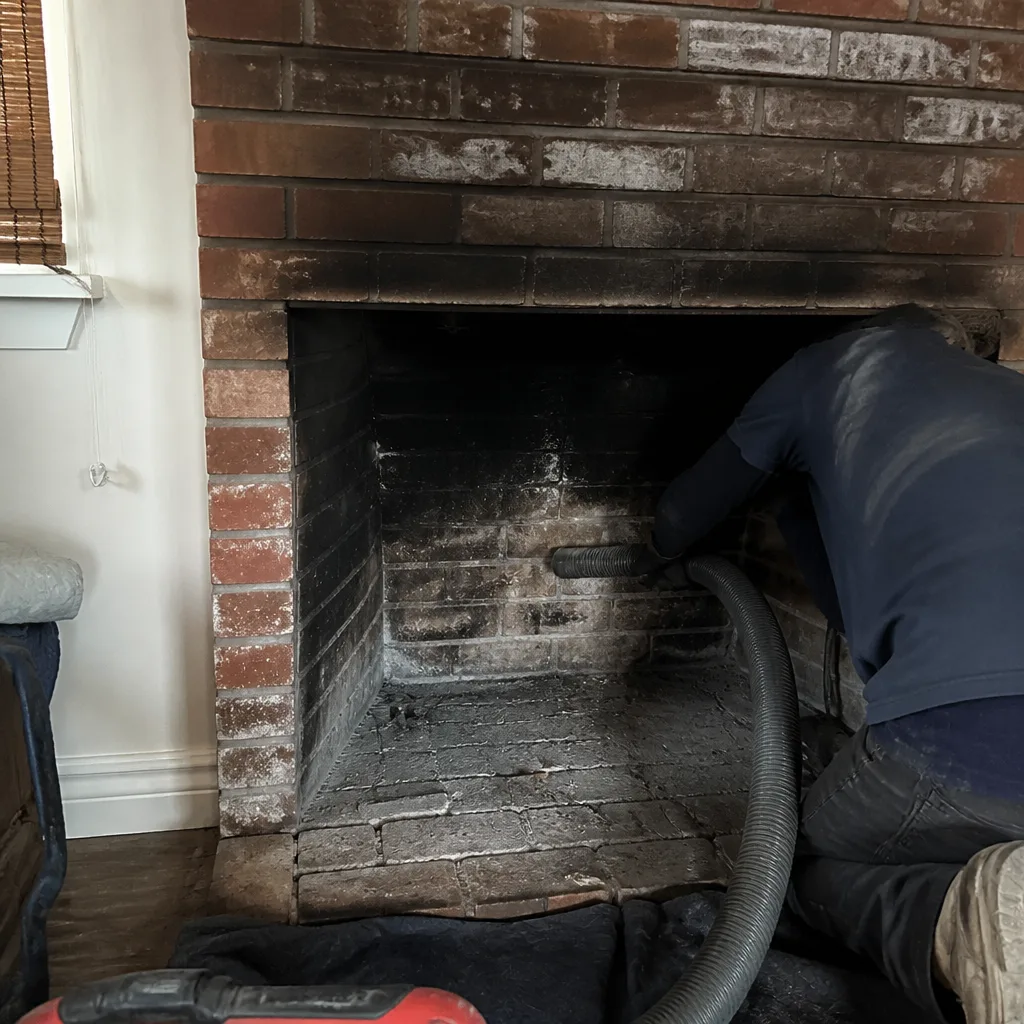 Before
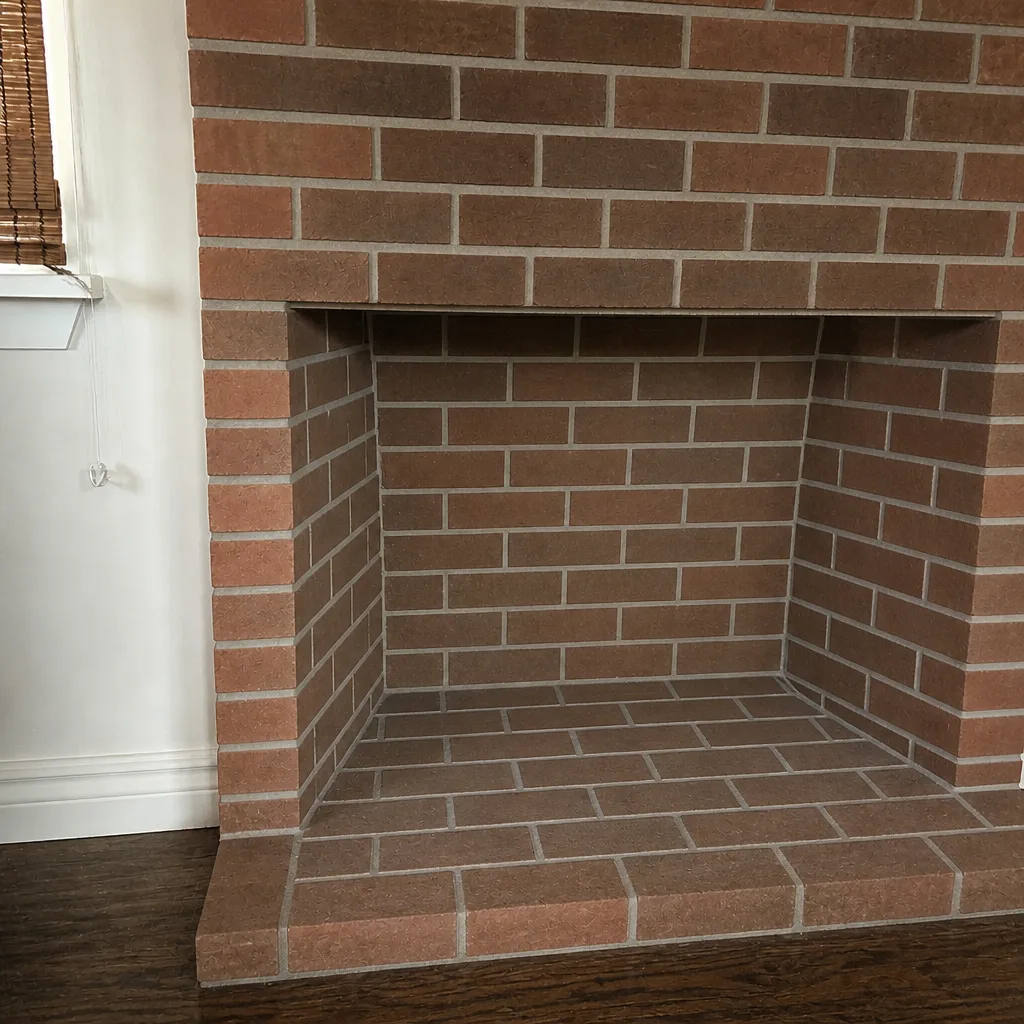 After
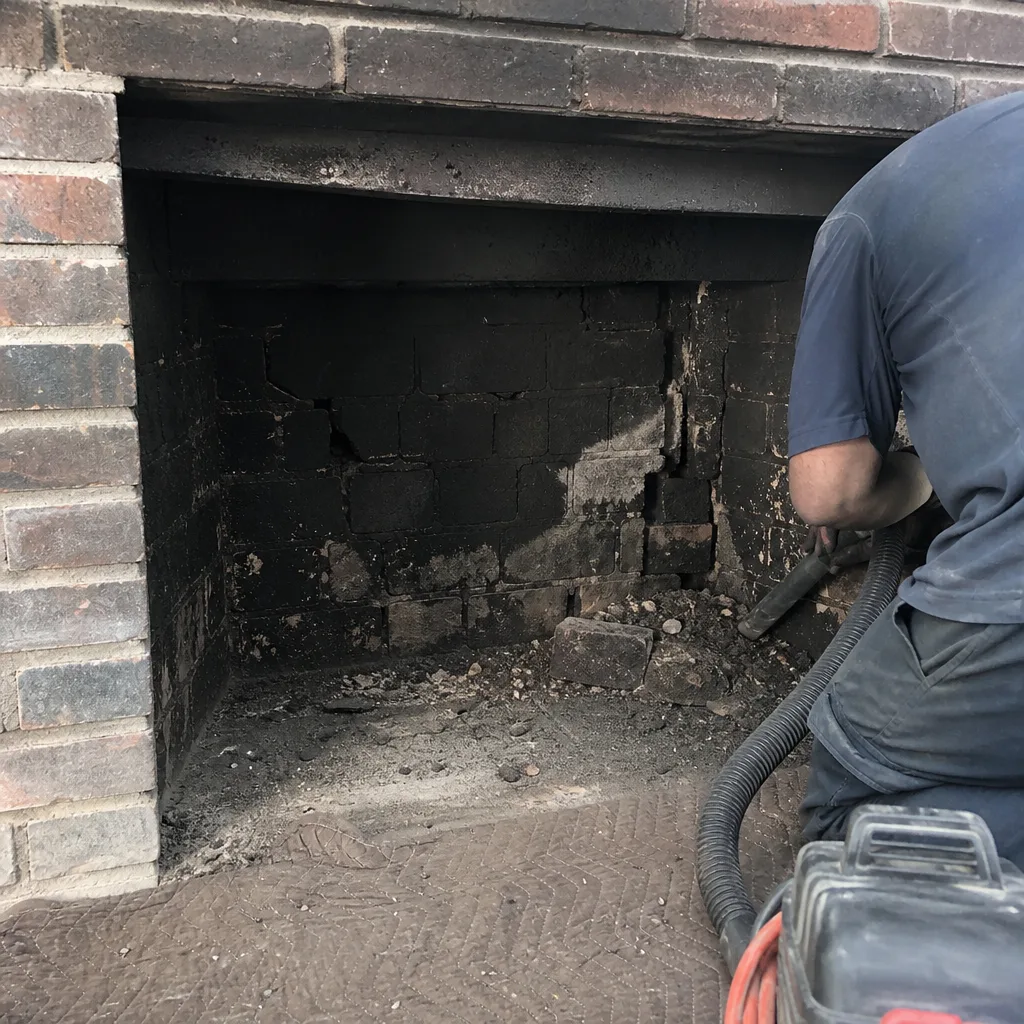 Before
 After
 Before
 After
When to Call a Professional
Call a professional when the symptom map points past a cold stack, when you see staining, rust or material falling into the firebox, when a chimney fire has occurred, or when you’ve been burning wood regularly and it’s been a year or more since your last cleaning. Call if you smell a persistent creosote odor, if smoke backs up on windy days, or if you’ve never had the flue inspected. Don’t reach into the flue or onto the roof yourself: those are the checks a trained technician with camera equipment can do safely. Chimney Sweep Downtown Santa Ana offers free estimates in Downtown Santa Ana. Call (866) 947-9102. We answer 24/7. Fast dispatch from 7am to 7pm, Sunday through Friday.
Frequently Asked Questions
A smoky start that clears within a few minutes is almost always cold-stack draft reversal, not a blockage. The flue is cold and the outside air is warm, so air flows down instead of up. Warm the flue with a lit newspaper, crack a window, and the smoke should clear.
A sharp, acrid smell when the chimney is cold, smoke that worsens as the fire burns, and soot accumulating faster than usual all point to creosote. The only way to confirm the amount is a professional cleaning. Call (866) 947-9102 to book a sweep for an exact quote; estimates are free.
Wind-driven smoke usually points to a pressure problem at the top of the flue, not a blocked chimney. A cap that sits too low, a flue too short for the roofline, or a house that’s too tightly sealed can all cause it. A chimney cap & crown check is the right first step.
No. Even a small fire can crack flue tiles or distort a liner, and the damage may not be visible from the firebox. Stop using the fireplace and book an inspection before lighting another fire. Call (866) 947-9102 for an exact quote; estimates are free.
Not every damaged flue needs a full reline. HeatShield liner restoration resurfacing can extend the life of an aging flue when the damage is moderate, while a full liner is right when the flue has failed structurally. The only way to know which applies is an inspection with camera evidence you can see for yourself. Call (866) 947-9102 for an exact quote; estimates are free.
Once a year for anyone who burns wood regularly. In Downtown Santa Ana’s mild climate, chimneys may sit unused for months, which lets creosote and moisture settle in. An annual sweep and inspection keeps the flue clear.
The Bottom Line
Most fireplace trouble in Downtown Santa Ana comes down to three root causes: a cold stack that reverses the draft, creosote that restricts the flue, and structural damage that needs repair. Your own senses can tell you which one you’re facing. A smoky start that clears is cold stack. A smell that lingers and smoke that worsens is creosote. Staining, rust or falling debris is structural. Do the safe checks, keep wet wood out of the firebox, and never reach into the flue or climb onto the roof. When the symptoms point past the cold stack, book a sweep and inspection from a team that handles the full chimney system, from sweep to crown, with professional-grade materials from DuraFlex and HeatShield.
If you’re ready to know exactly what’s safe, what’s not, and what can wait, Chimney Sweep Downtown Santa Ana offers free estimates and a full-scope inspection. Call (866) 947-9102. We answer 24/7. Fast dispatch from 7am to 7pm, Sunday through Friday.
Written by the team at Chimney Sweep Downtown Santa Ana.