
Last updated November 25, 2026
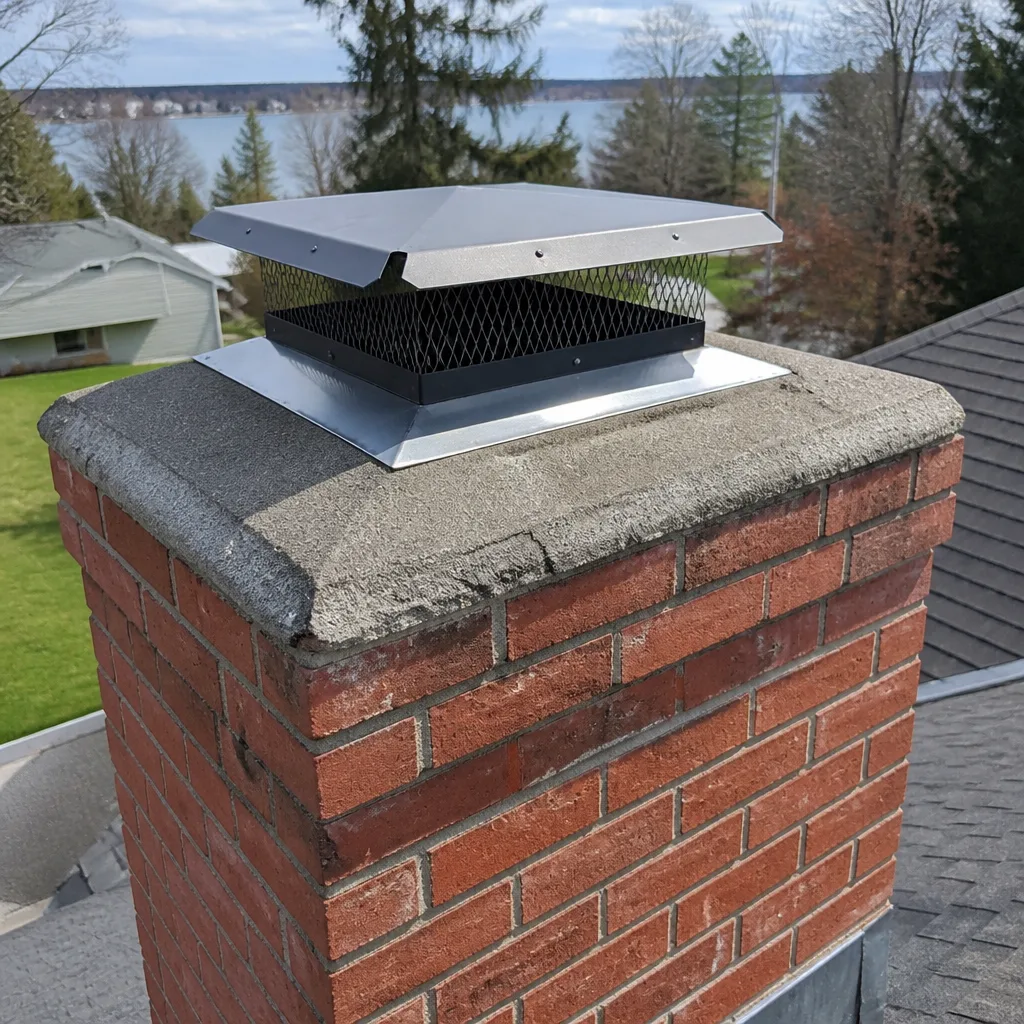 Sweep & inspection
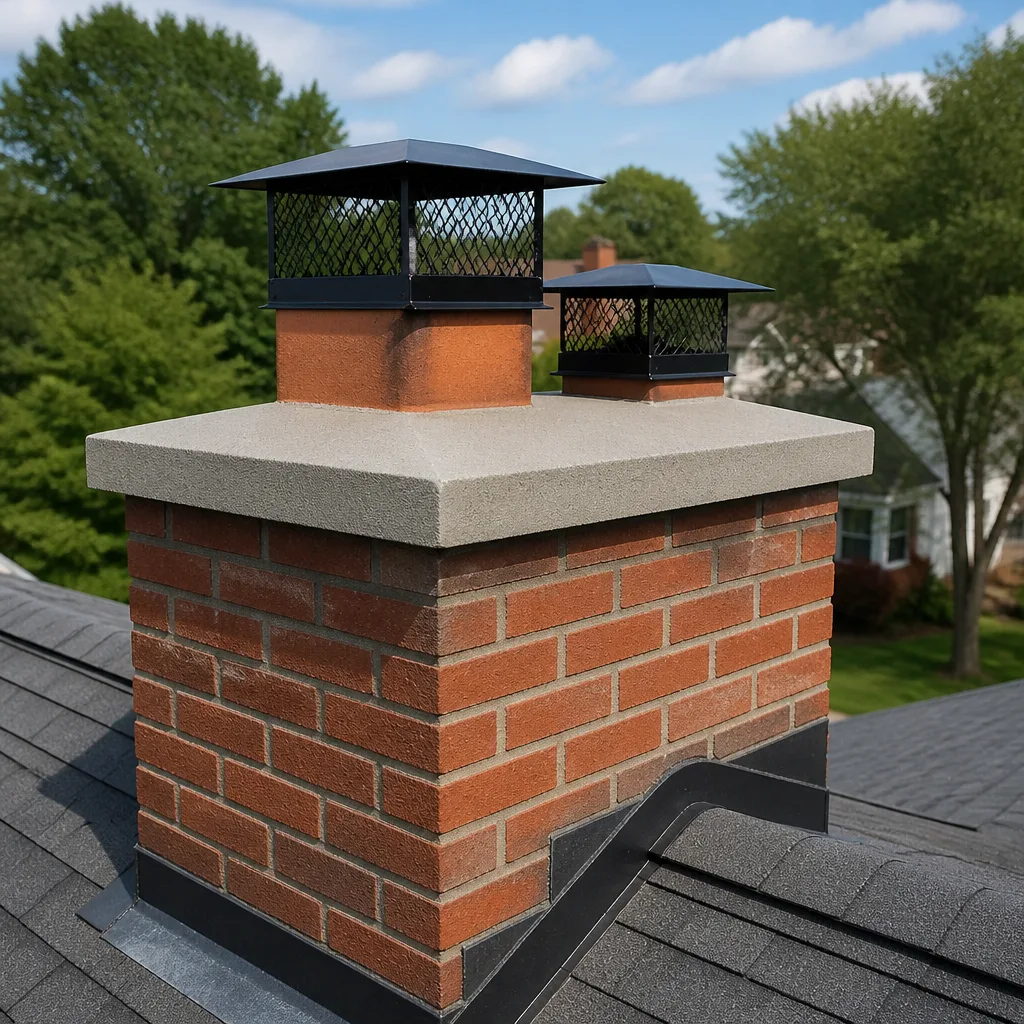 Caps & crowns
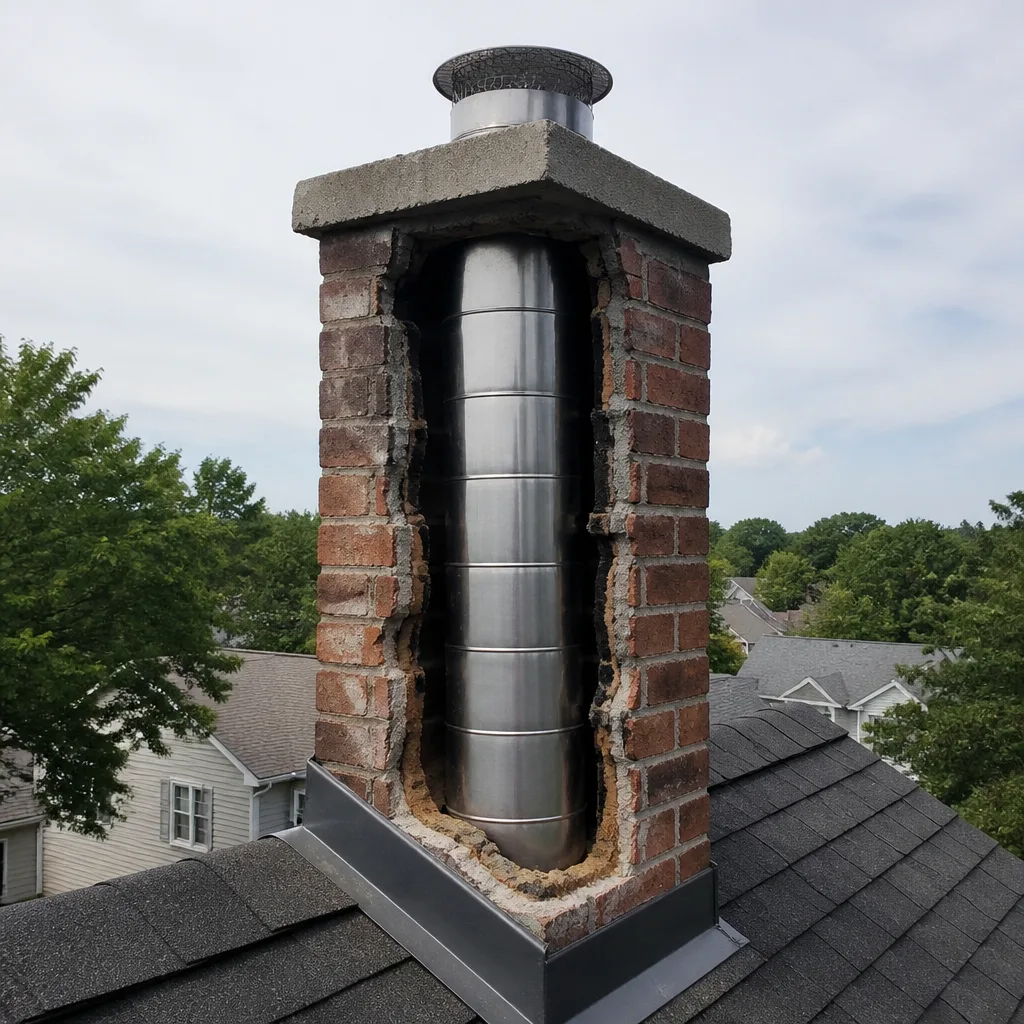 Flue relining
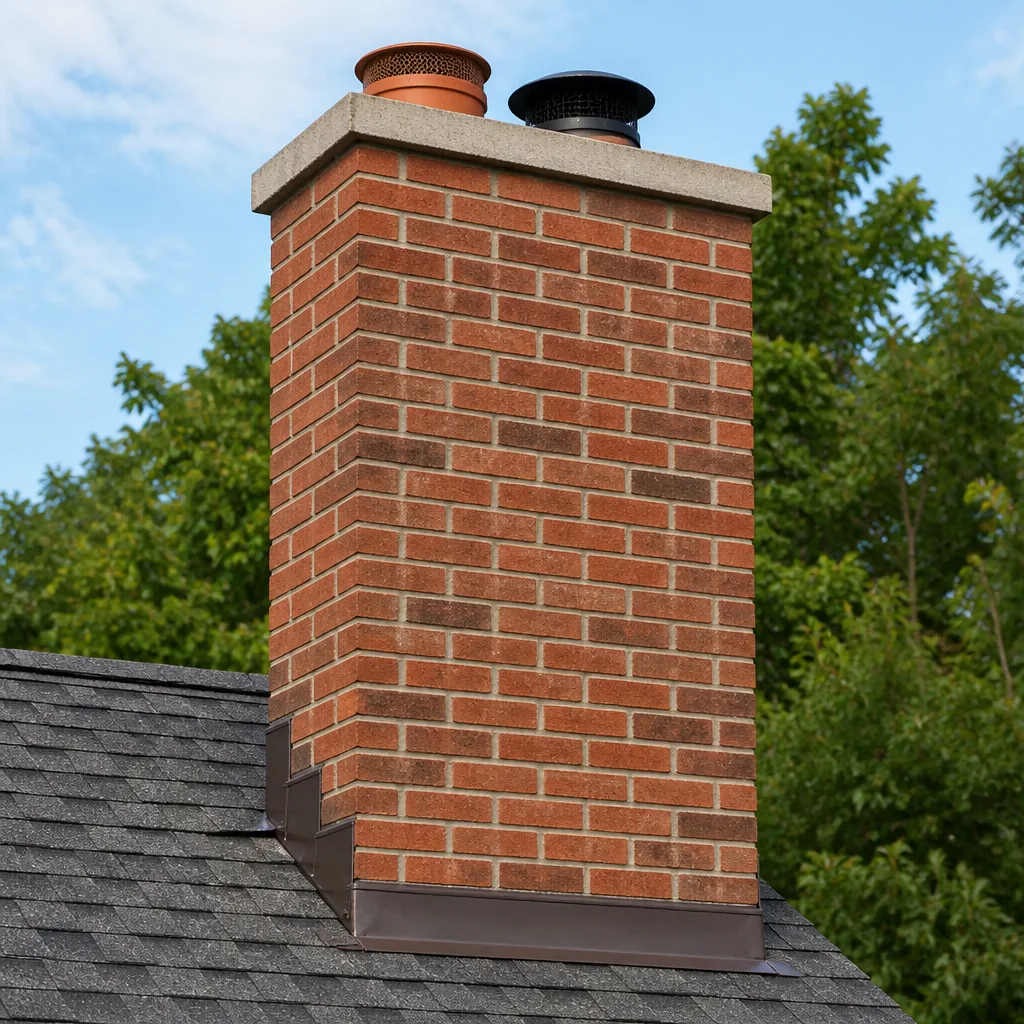 Masonry repair
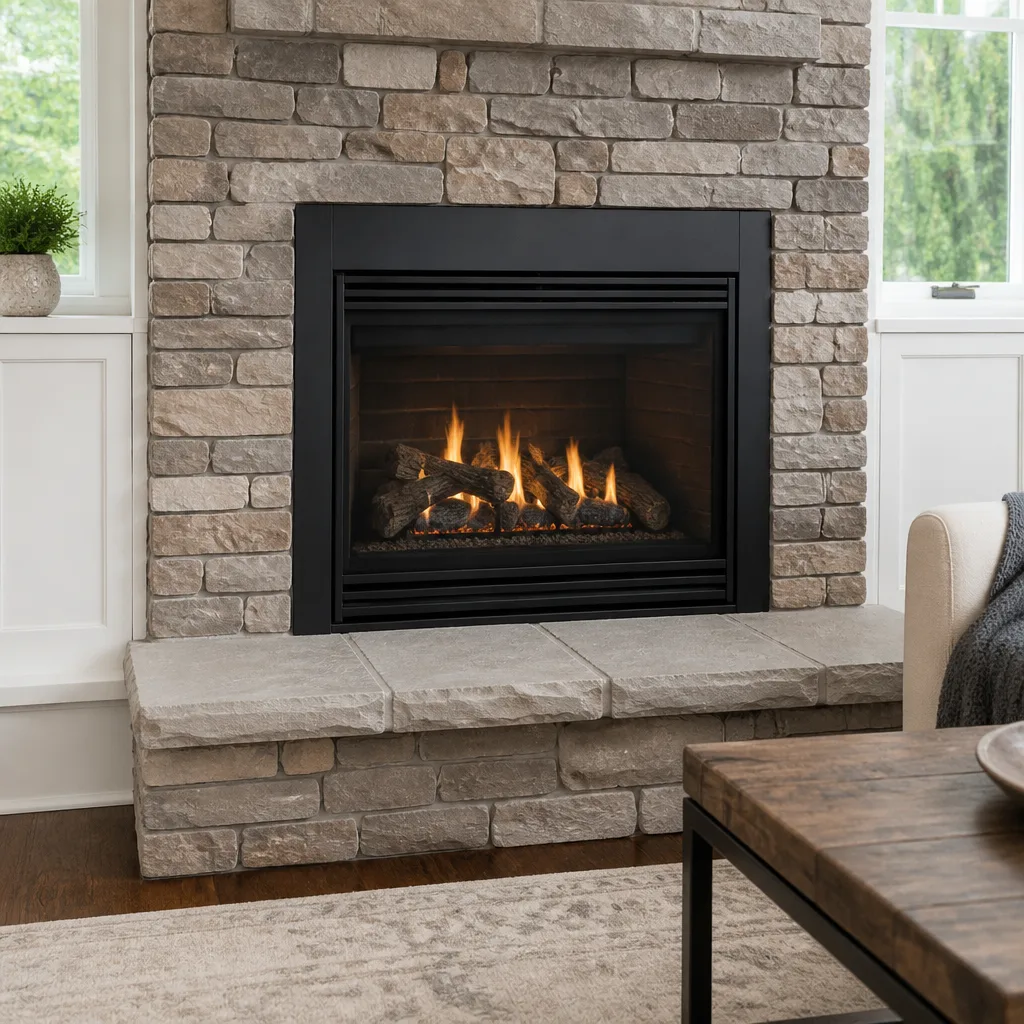 Gas fireplace service
Level 1 sweep and inspection to the NFPA 211 annual standard - flue, crown, cap, and flashing checked and photographed
Chimney sweep logs do not sweep chimneys. They loosen some creosote - which then falls where a brush and vacuum still have to collect it.
DIY vs Professional Chimney Cleaning: The Downtown Santa Ana Homeowner’s Decision Guide
Anyone with a ladder, a brush and a free afternoon can knock light soot off the inside of a straight flue. What that brush cannot do is tell you what’s hiding behind the soot once it’s gone: a Stage 3 glazed creosote glaze that will reignite if you burn again, a hairline crack in a clay tile that’s letting heat reach the framing, or a smoke chamber that’s shedding refractory mortar. The cleaning is the easy part. The diagnosis is the job. This guide walks Downtown Santa Ana homeowners through what DIY can and can’t accomplish, the tools that have no consumer equivalent, the insurance and liability questions that come with doing it yourself, and how to judge the real return on either path.
Quick Answer
DIY chimney cleaning can remove light soot from a simple, straight flue, but it cannot safely or accurately assess liner integrity, creosote stage, or smoke chamber condition. A professional sweep’s core value in Downtown Santa Ana isn’t the brushing; it’s the camera inspection that documents what your flue actually looks like and tells you what’s safe, what’s not, and what can wait. If your chimney has never been inspected, or if you’ve burned a season without one, a professional sweep is the right starting point regardless of what a brush kit costs.
Styles & brands we work with
- Sweep & inspection
- Caps & crowns
- Flue relining
- Masonry repair
- Gas fireplace service
Table of Contents
- What DIY Chimney Cleaning Can and Cannot Accomplish
- The Tools a Professional Sweep Uses That Have No Consumer Equivalent
- Why Creosote Stage Matters More Than Soot Volume
- Liability and Insurance: What DIY Cleaning Does to Your Coverage
- How Downtown Santa Ana’s Mild Winters Shape Your Chimney’s Condition
- The One Scenario Where DIY Maintenance Has Genuine Value
- How to Calculate the Real ROI of DIY vs Professional in Santa Ana
- When to Call a Professional
What DIY Chimney Cleaning Can and Cannot Accomplish
DIY chimney cleaning can remove loose, flaky soot from the accessible walls of a straight flue. It cannot assess liner integrity, detect Stage 2 or Stage 3 creosote, identify cracks in clay tiles, or evaluate the smoke chamber, damper assembly, or crown for structural problems. Knowing exactly where that line sits is the entire decision.
Here’s what a homeowner with a decent brush kit can realistically expect to handle:
- Light, dry soot on a straight flue. A flue that runs straight up with no offsets can be brushed from the top or the firebox with a standard poly brush.
- Ash cleanup in the firebox. Routine ash removal and firebox vacuuming contributes to stable draft and cleaner combustion.
- Visual checks of the visible portions of the firebox and damper. You can see whether the damper opens and closes, whether the firebox brick face looks sound, and whether the smoke shelf is packed with debris.
And here’s what the same homeowner cannot do without training, tools and a camera:
- Identify creosote stage. Stage 1 is dusty and brushable. Stage 2 is crusty and tar-like. Stage 3 is glazed and glassy and needs chemical or rotary methods, not a brush. A homeowner brushing Stage 3 thinking it’s Stage 1 creates a polished, flammable surface.
- Detect liner cracks. A hairline crack in a clay tile opens up under thermal load and is invisible from the firebox floor.
- Evaluate the smoke chamber. The sloped chamber above the damper often has refractory mortar that has degraded. Fixing it requires parging, which is a professional application.
- Confirm cap and crown condition from above. The cap, screen and crown are where water and animals enter. Assessing them means being on the roof, not in the firebox.
- Document condition for insurance. A homeowner cannot certify condition for a claim or a sale.
In our experience, homeowners who skip the inspection component and focus only on the cleaning are the ones most likely to discover a problem at the worst possible time. That’s why a Chimney Sweep Downtown Santa Ana visit starts with a look, not a brush. We sweep the flue, but we sweep it after we understand what we’re sweeping.
The Tools a Professional Sweep Uses That Have No Consumer Equivalent
Professional chimney sweeps use rotary cleaning systems for glazed creosote, closed-system HEPA vacuums for soot containment, articulating flue cameras for internal inspection, and specialized rod-and-brush assemblies sized to the flue. None of these have a realistic consumer equivalent, and each addresses a specific failure a homeowner cannot manage with a brush kit.
Here’s the short tour of what shows up on a professional call and what each tool actually does:
- Rotary cleaning system. A motorized spinning head with interchangeable chains, whips or brushes. It removes glazed Stage 3 creosote mechanically rather than polishing it. A hand brush cannot do this because the deposit is bonded to the flue wall like a shell.
- Closed-system HEPA vacuum. Chimney soot is respirable and carcinogenic when airborne. A shop vac rated for dust is not a HEPA containment system; the professional unit keeps soot inside the machine, not distributed across your living room.
- Articulating flue camera. A small camera on a flexible rod that lets the technician see offsets, cracks, gaps at joints, and the actual condition of the interior well past anything visible from either end of the flue. The photo report that comes from this camera is the evidence part of the visit.
- Properly sized brush heads. A flue brush has to match the flue’s interior dimension. Too small and it misses the walls; too large and it can crack tile or jam. A homeowner working from a generic kit is guessing at size.
- Cap and crown materials. When the inspection shows a missing cap or a cracked crown, the professional fix uses specific components. We stock and install Famco and Gelco chimney caps and venting parts so the sizing matches the flue instead of being approximated from what the hardware store has on the shelf.
- Liner restoration systems. When the flue needs more than cleaning but less than full reline, HeatShield liner restoration resurfaces the existing flue. It’s an application that requires qualification and it’s a cost-saving alternative to full liner replacement that most generalist handymen can’t offer.
The point of listing these is not to sell tools. It’s to make the ROI math concrete. Comparing a $45 brush kit to a professional sweep is comparing a brush to a camera and a vacuum and a rotary system and a documented inspection report. Those are different services with different outputs.
Why Creosote Stage Matters More Than Soot Volume
Creosote stage determines what kind of cleaning the chimney needs and how dangerous the condition is. Stage 1 creosote is flaky and brushable. Stage 2 creosote is crusty and tar-like. Stage 3 creosote is glazed, hard and glassy, and it’s the stage most associated with chimney fire risk because it ignites at lower temperatures than the wood you’re burning.
Here’s why a homeowner can’t tell the stages apart by looking:
- Stage 1 looks like black dust and flakes. It brushes off. If everything in your flue looks like this, a DIY brush might genuinely be enough for the cleaning portion.
- Stage 2 is bumpy, crusty, and comes off in curled shards. It needs a stiff brush and some patience, and it’s the point where the flue cross-section starts narrowing.
- Stage 3 is where it gets serious. The flue walls are coated in a hard, glassy, tar-like layer. A hand brush polishes it. A rotary system removes it. And a homeowner who just finished “cleaning” a Stage 3 flue has actually made it more combustible by smoothing the surface.
Downtown Santa Ana’s burn pattern feeds this problem in a specific way. Winters here are mild, which means a lot of homeowners burn intermittently: a fire on a cool evening, nothing for a week, another fire when the next cool front moves in. Intermittent burning with wood that hasn’t fully seasoned is the recipe for cooler, smokier fires and faster creosote accumulation than a household burning continuously through a cold winter. The January cool snaps and the long stretches between burns create more Stage 2 and Stage 3 deposits than the total burn volume alone would suggest.
If you can’t reliably identify what stage you’re looking at, the cleaning decision is already out of your hands. When we perform a chimney sweep in Downtown Santa Ana, we photograph the creosote we find and show you what stage it’s at. That photograph is the fact that settles the question.
Liability and Insurance: What DIY Cleaning Does to Your Coverage
Many homeowner insurance policies require that a chimney be maintained and inspected in accordance with professional standards, and some carriers ask for documentation of that maintenance after a chimney-related claim. DIY cleaning creates no third-party record, and that absence can complicate a claim even when the cleaning itself was done correctly.
This is not a scare tactic. It’s a documentation question. Here’s what a claim review typically wants to see:
- Proof the chimney was recently inspected. A professional inspection aligned with NFPA 211 Level I or Level II standards produces a written record with photos. A homeowner’s own assertion that they brushed the flue does not.
- Evidence of any known defect and how it was addressed. If a claim arises from a flue fire and the carrier asks whether the flue had known liner cracks, “I didn’t know because I never looked” is a harder answer than “the inspection found a crack and we scheduled the repair.”
- A record of who did what work. The professional who performed the sweep is accountable for the work. A homeowner is accountable for their own work, which is fine until a defect surfaces and the question becomes whether the sweep caused or missed it.
Beyond insurance, there’s a plain liability angle for landlords and property managers in Downtown Santa Ana. Tenant safety on a rental property with a fireplace is the landlord’s responsibility. A documented professional inspection establishes that the property was maintained in line with professional standards; a DIY cleaning does not. If you manage property near the downtown core, the inspection report is worth more than the cleaning on any compliance question.
Check with your own carrier about the exact documentation your policy requires. We can’t tell you what your insurer will ask for. We can tell you that a written inspection report aligned with NFPA 211 standards is the document carriers most commonly ask to see.
How Downtown Santa Ana’s Mild Winters Shape Your Chimney’s Condition
Downtown Santa Ana’s mild winters mean most homes in the area burn intermittently rather than continuously, which changes how creosote accumulates and when the right time for a sweep actually is. The mild climate also means chimney problems tend to develop slowly and quietly rather than being forced to the surface by a hard winter of constant use.
Here’s what we see in the local pattern:
- Intermittent burning builds cooler, smokier fires. A home that burns a few evenings a week produces more creosote per cord of wood than a home that burns continuously through a cold season, because the flue warms up, cools down, and condenses more each time.
- Seasonal timing is a real question. The urgency here is seasonal, not hourly. The right moment to book is before burning season starts, so the chimney is inspected and swept before it sees its first fire of the year. Booking in the middle of a burn season is fine; booking before it starts is better.
- Hot, dry summers dry out the masonry. Santa Ana’s dry season puts stress on mortar joints and crowns. A crown that was sound in April can look different by October, which is another reason a pre-season inspection catches more than a mid-season sweep.
- The urban downtown layout adds a downdraft factor. Downtown Santa Ana’s denser, older housing stock means flues that were sized for a different roof height and neighboring structure. A flue that drafts poorly pulls creosote faster, and a cap that’s the wrong size makes it worse. We install Famco and Gelco caps sized to the actual flue so the draft gets the help it needs.
When there’s damage to discuss, we handle fireplace repair and full chimney repair under the same visit, so you’re not hunting for a second contractor after the sweep. One call, one team, every part of the job.
The One Scenario Where DIY Maintenance Has Genuine Value
DIY maintenance has genuine value in one specific role: quick visual firebox checks between professional visits, using indicators you can reliably read. That’s it. The rest of the DIY chimney cleaning conversation is best handled professionally.
Here’s the checklist a homeowner can actually handle between sweeps:
- Look at the firebox walls before lighting a fire. Sound firebrick is a uniform color and doesn’t crumble under light thumb pressure. Any soft, spalling or missing brick is a stop-and-call signal.
- Listen to the damper. The damper should open fully and stay open without being propped. A damper that grinds, sticks halfway, or won’t stay open is a repair.
- Watch the smoke. If smoke rolls back into the room instead of rising when you first light a fire, the draft is compromised. Stop burning and have the flue checked.
- Look above the firebox. The smoke shelf and the area just above the damper should be visible and free of visible debris. If you can’t see them at all, that itself is information: the chamber needs professional eyes.
- Check the cap from the ground. A cap that’s visibly off, sagging, or missing its screen lets rain and animals in. That’s a repair, not a sweep.
- Look for water stains on the ceiling near the chimney. Any sign of water entry points to a crown or flashing problem that needs a professional look.
Notice what’s not on that list: brushing the flue, checking the liner, or inspecting the smoke chamber. Those are the tasks the professional decides on. The homeowner’s job between visits is to notice changes early, and the checklist above is designed to do that with things you can actually see and hear from the fireplace floor.
When something on that checklist turns up, don’t wait for the next scheduled sweep. Call fireplace repair and have it looked at properly.
How to Calculate the Real ROI of DIY vs Professional in Santa Ana
Comparing the ROI of DIY chimney cleaning to a professional sweep requires accounting for material cost, soot containment risk, and time, not just the price of a brush. A $45 brush kit is the cheap part; a soot release into the living space of a Downtown Santa Ana home is the expensive part, and it isn’t covered by the brush kit.
Here’s the honest cost breakdown from our side of the table:
- Materials. A basic brush-and-rod kit runs somewhere in the range of $40 to $80 at retail. A shop vac that’s actually rated for fine soot runs more. A homeowner who buys both is already into the cost of a routine professional sweep.
- Time. A careful homeowner can spend two to four hours on a straight flue between setup, cleaning, and cleanup. A professional sweep completes the same job faster and documents what was found.
- Soot containment failure risk. This is the big one. Without a HEPA closed-system vacuum, soot escapes into the room. Soot is fine, sticky and hard to remove from upholstery and soft furnishings. A single containment failure costs more to clean than the professional sweep would have.
- Missed-defect risk. A homeowner who finishes the cleaning and believes the flue is fine, without a camera, is making a judgment call without evidence. If a liner crack is missed, the cost of the eventual repair dwarfs the sweep.
- Inspection value. The professional visit includes a written inspection with photos, aligned with NFPA 211 standards. That document matters for insurance and for any future sale of the home.
The case where DIY genuinely wins on ROI is narrow: a homeowner on a straight flue with light Stage 1 soot and a strong HEPA shop vac, doing it as an intermediate cleaning between annual professional inspections. Every other configuration tips toward the professional visit, and it tips hard when the flue is glazed, when there’s a cold-smoke smell in the off-season, or when the chimney hasn’t been checked in a season.
Common Mistakes to Avoid
- Brushing a glazed flue. Stage 3 creosote doesn’t come off a brush; it polishes. The result is a more combustible surface than before the “cleaning.” If the flue is glazed, rotary equipment is the tool, and that’s a professional call.
- Using a shop vac not rated for soot. A standard shop vac moves fine dust into the room. Soot particles lodge in soft furnishings and are stingingly hard to remove. Use a HEPA-rated containment system or don’t vacuum.
- Cleaning without inspecting. Removing soot without looking at the liner is doing half the work. The inspection is what catches cracks, gaps at tile joints, and smoke chamber damage.
- Assuming the cap is fine because the roof looks OK from the ground. A missing or damaged cap is the single most common reason water and animals get into a Downtown Santa Ana chimney. Have it checked from the roof by a professional at least once a year.
- Skipping the pre-season timing. In Downtown Santa Ana, the right time to book is before burning season begins. Booking after the first cold snap means burning on a flue that hasn’t been checked.
- Burning unseasoned wood to save money. Unseasoned wood produces cooler fires and more creosote than properly seasoned wood. It’s the cheapest way to accelerate the creosote buildup that makes cleaning harder.
- Treating a cold-smoke smell as “just chimney smell.” A persistent draft smell in the off-season usually points to a poor cap, a draft problem, or accumulated creosote. It’s worth a look, and probably a chimney cap & crown inspection at the same time.
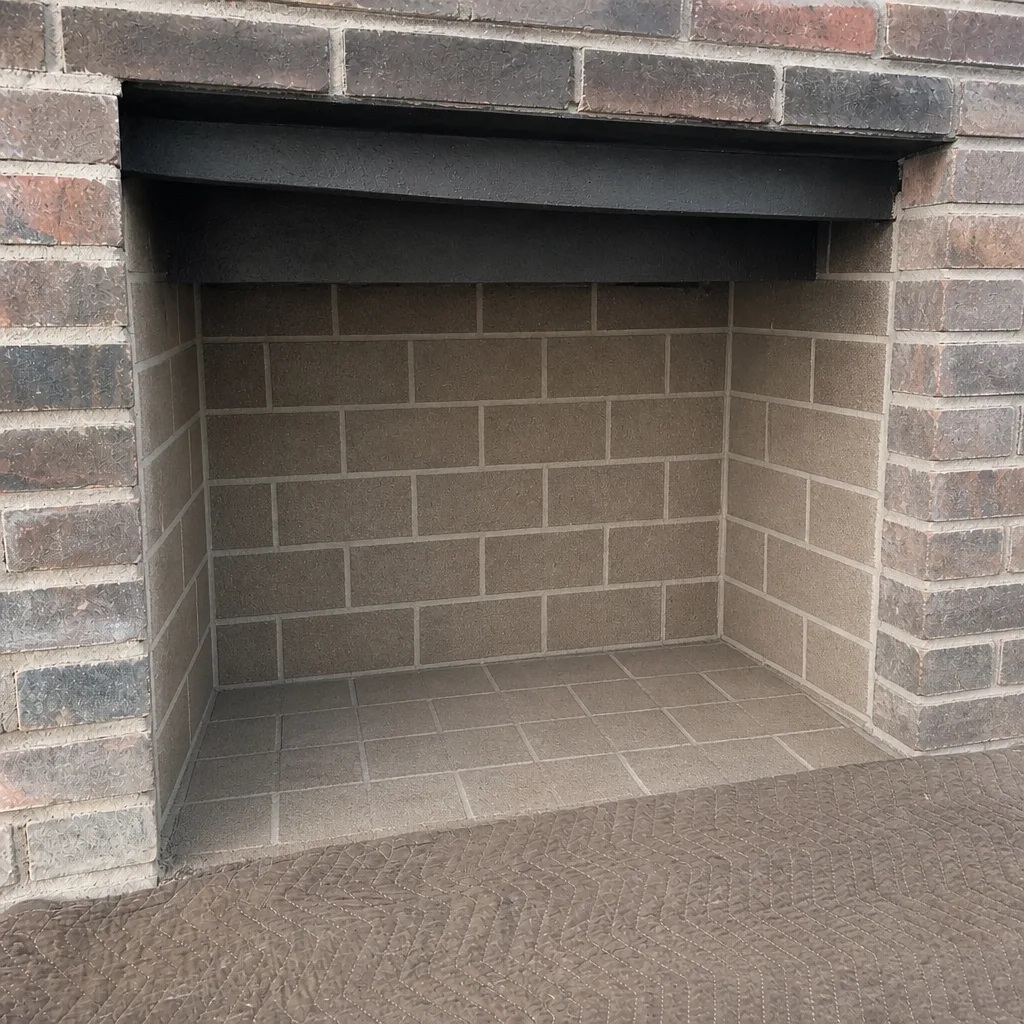
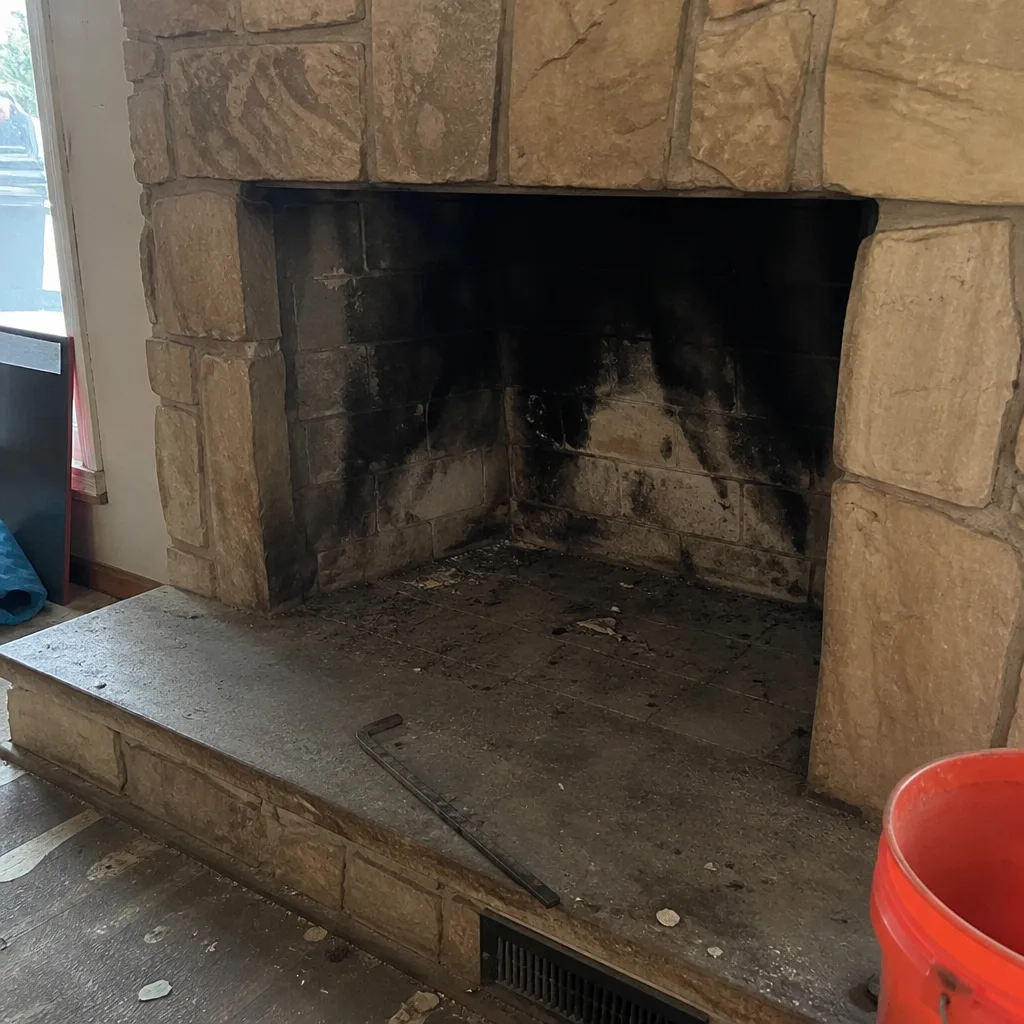
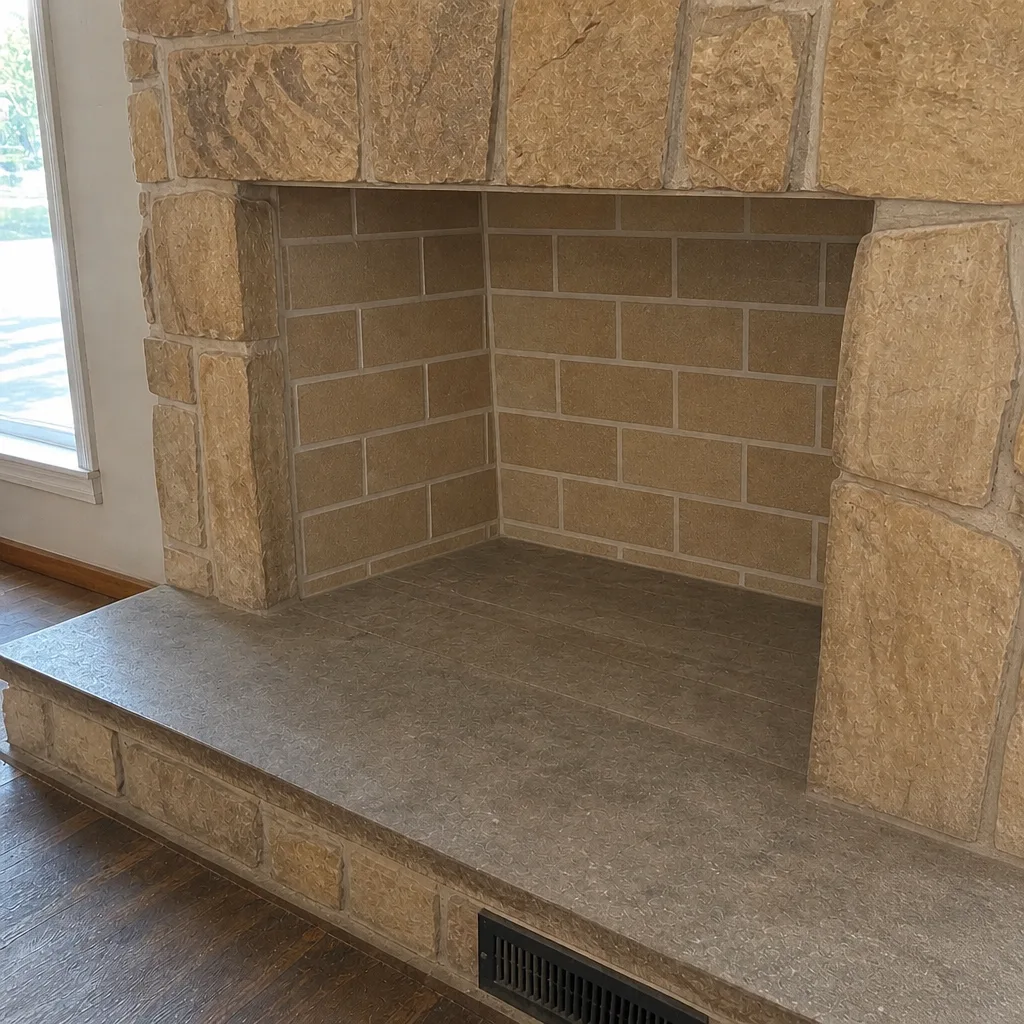
See the difference
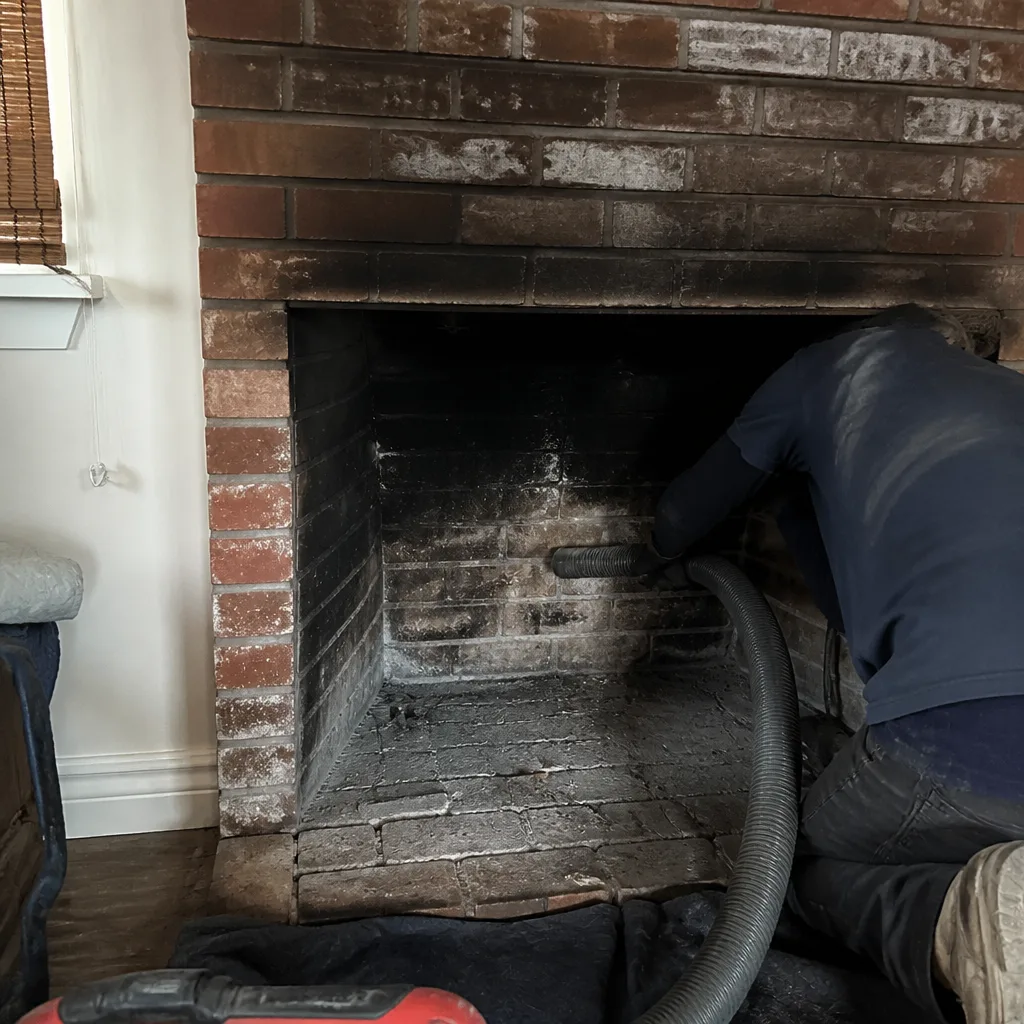 Before
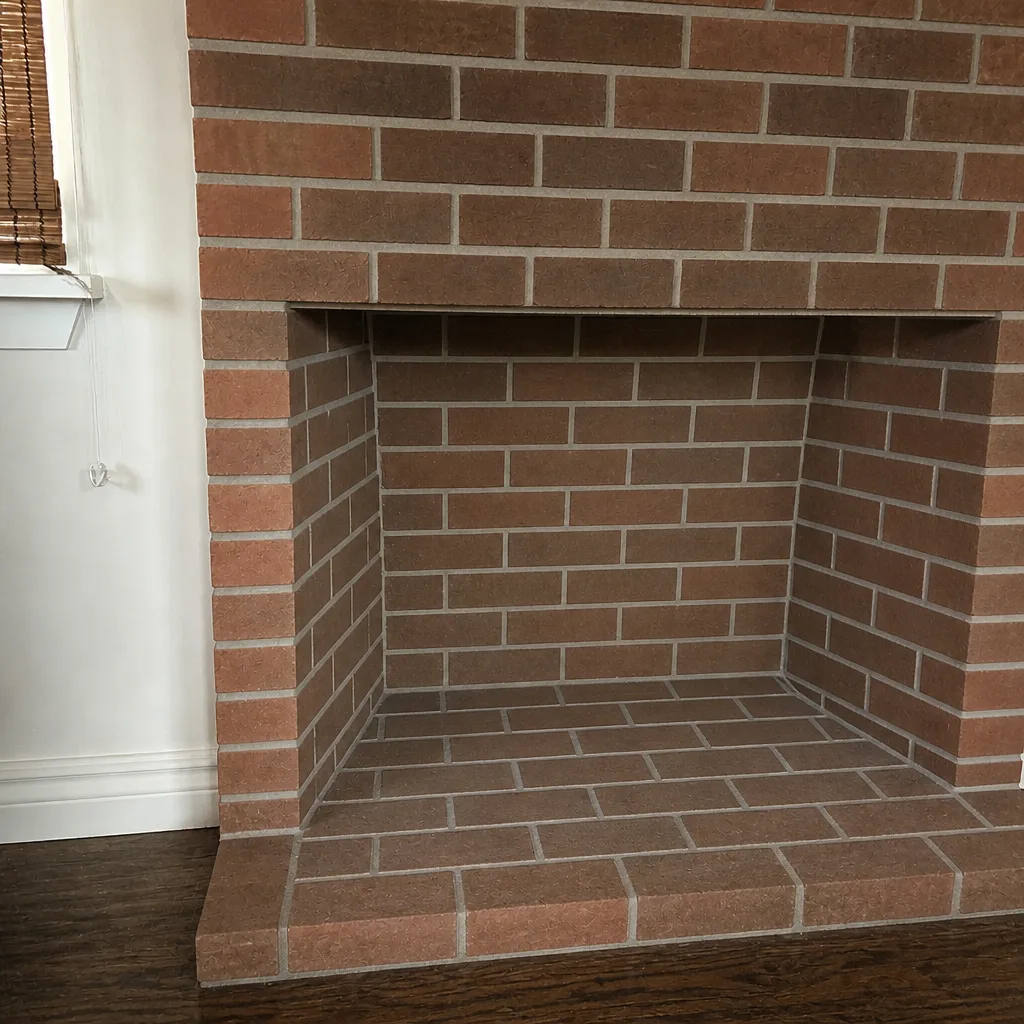 After
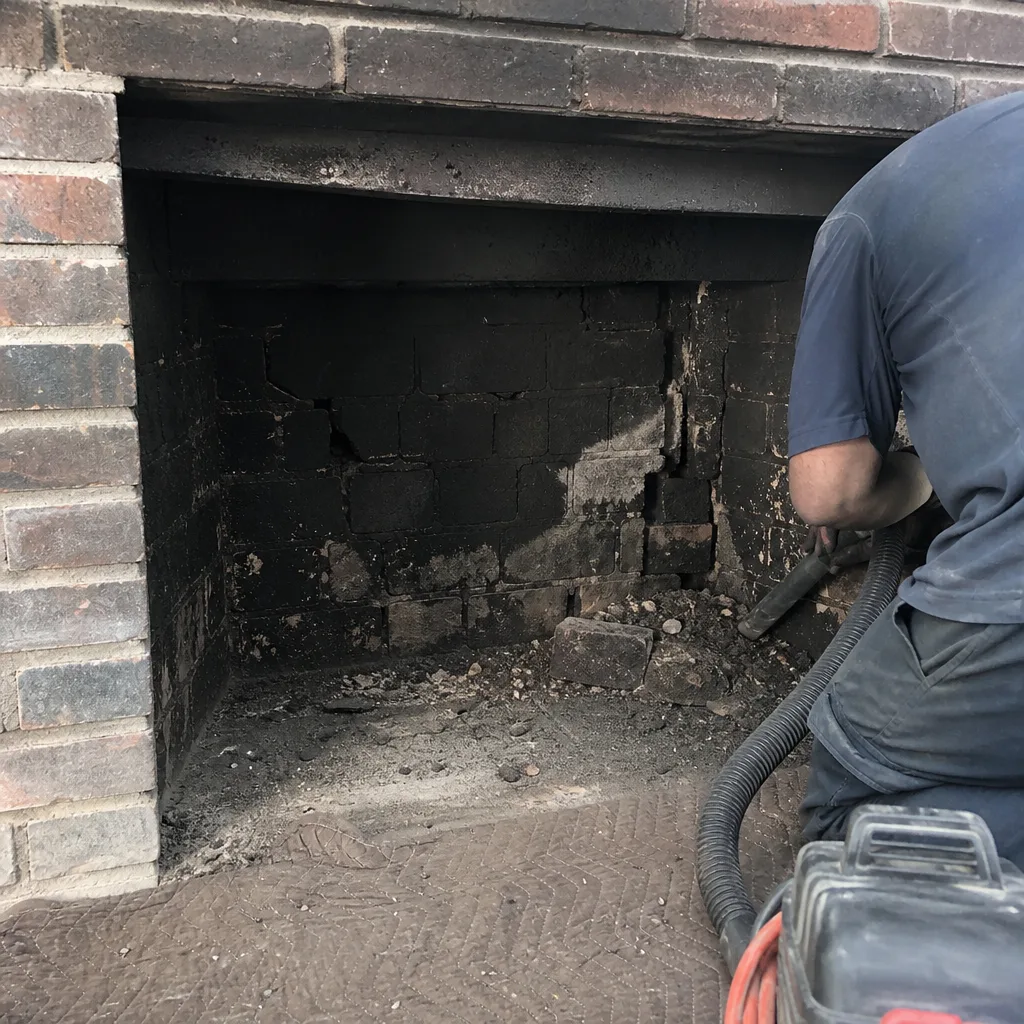 Before
 After
 Before
 After
When to Call a Professional
Call a professional when the flue has never been inspected, when you’ve burned a season since the last inspection, when the firebox shows any visible damage, when smoke rolls back on light-up, when there’s a draft smell in the off-season, or when the cap or crown looks damaged from the ground. Also call if the flue is glazed, if you can’t identify what stage of creosote you’re looking at, or if you’re a landlord who needs documentation for a tenant safety file. Chimney Sweep Downtown Santa Ana offers free estimates in Downtown Santa Ana. Call (866) 947-9102. We answer 24/7, with fast dispatch from 7am to 7pm, Sunday through Friday.
Frequently Asked Questions
A routine chimney sweep in Downtown Santa Ana typically runs in a modest range that depends on flue configuration, creosote stage and whether an inspection is bundled in. The written estimate you get before any work begins is the final word on price. Call (866) 947-9102 for an exact quote, which is free.
You can brush light soot from a straight flue, but you can’t inspect the liner or identify creosote stage without a camera and training, and those are the parts of the job that matter. If the flue has never been inspected, a professional sweep is the right starting point. Call (866) 947-9102 to book one.
It might, because a chimney-related claim generally requires documentation of professional maintenance and inspection, which a DIY cleaning doesn’t produce. Check your own policy language and ask your carrier what documentation they want. A written inspection report aligned with NFPA 211 standards is the document most carriers ask to see. Call (866) 947-9102 to schedule one.
Once a year for a household that burns regularly, and before burning season for a home that only burns on occasional cool evenings. Intermittent burning builds creosote at a faster rate than many homeowners expect, so the annual inspection matters more than the annual cleaning. Call (866) 947-9102 to book a pre-season visit.
Creosote keeps accumulating, the flue cross-section narrows, and the risk of a flue fire rises with each burn. Persistent cold-smoke smell and reduced draft are symptoms that show up before a fire happens. Call (866) 947-9102 if you’ve skipped a season.
Yes. We handle Chimney Sweep, Chimney Inspection, Fireplace Repair, Chimney Repair and Chimney Cap & Crown installation under the same visit, so you’re not coordinating multiple contractors. Our technicians have up to 13 years of experience, and we work with professional-grade brands like Gelco, Olympia Chimney and Copperfield. Call (866) 947-9102 for a free estimate.
A professional inspection checks the liner for cracks and gaps at tile joints, evaluates the smoke chamber refractory, checks the crown and cap from above, and photographs what’s found. Those items are invisible or misreadable from the firebox floor. Call (866) 947-9102 to schedule an inspection.
The Bottom Line
The DIY chimney cleaning question isn’t really about whether you can push a brush through a flue. You probably can. It’s about whether you can identify what you find once the soot is off, and that’s a professional judgment that needs a camera, a trained eye and a documented report. DIY maintenance earns its place as between-visit firebox checks, not as a replacement for the annual inspection. In Downtown Santa Ana, the mild, intermittent burn pattern makes creosote buildup slower to notice and easier to underestimate. Book the sweep before burning season, get the inspection on record, and let the photos tell you what’s actually safe, what’s not, and what can wait.
Call (866) 947-9102 for a free estimate. We answer 24/7, with fast dispatch from 7am to 7pm, Sunday through Friday.
Written by the team at Chimney Sweep Downtown Santa Ana.