
Last updated November 25, 2026
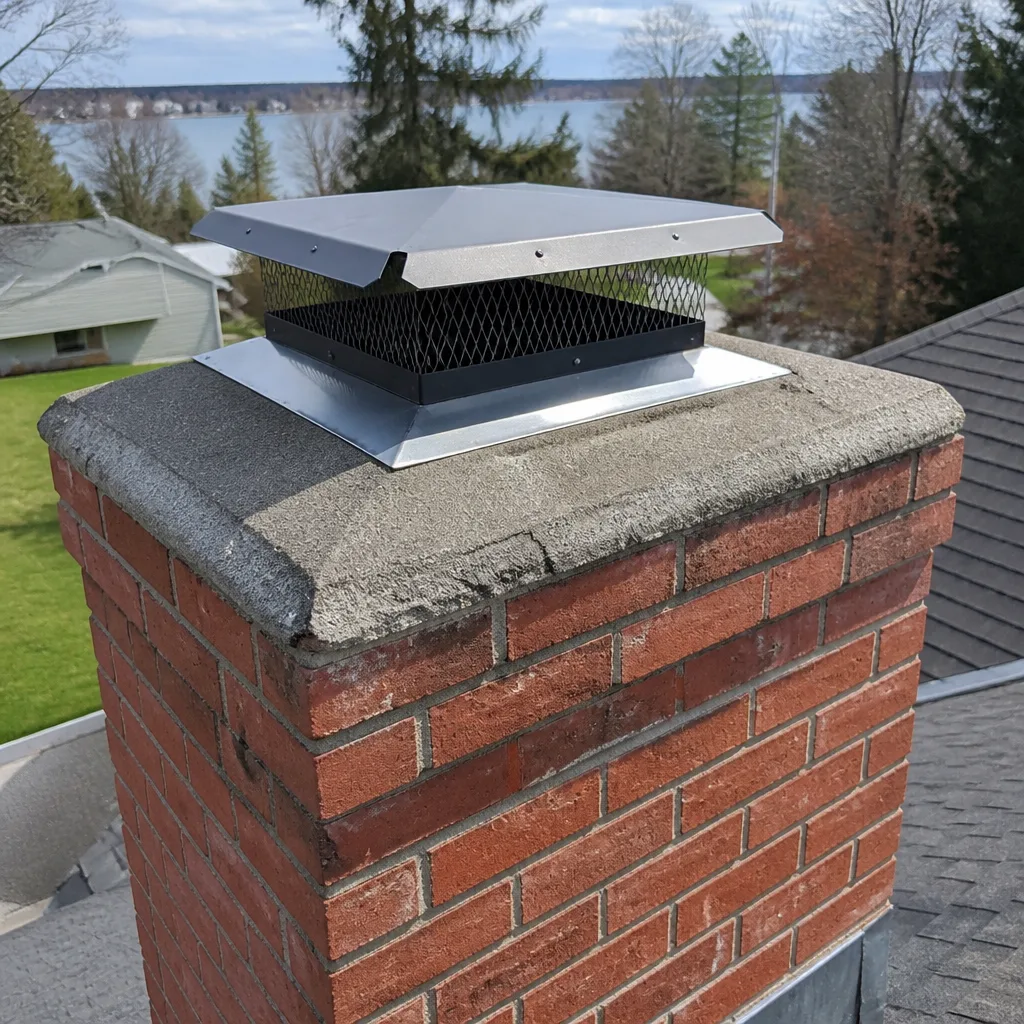 Sweep & inspection
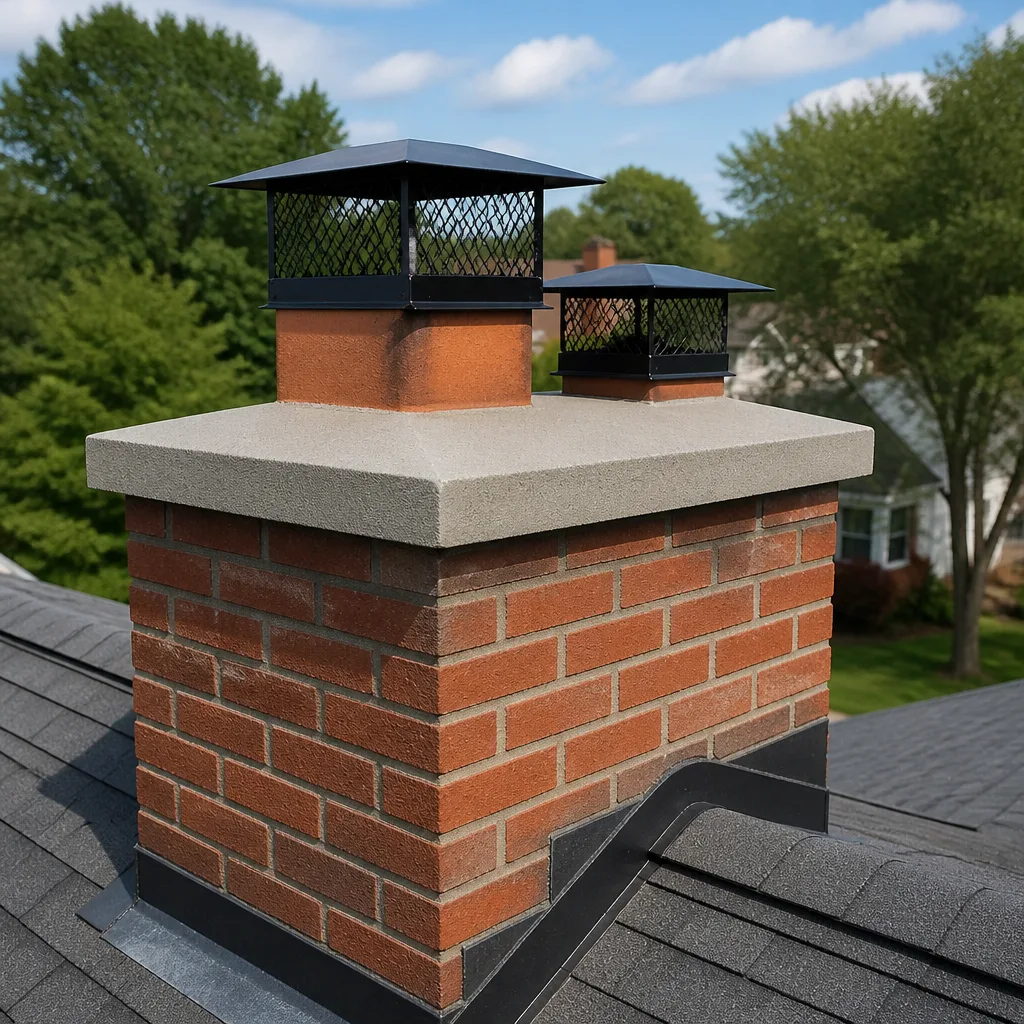 Caps & crowns
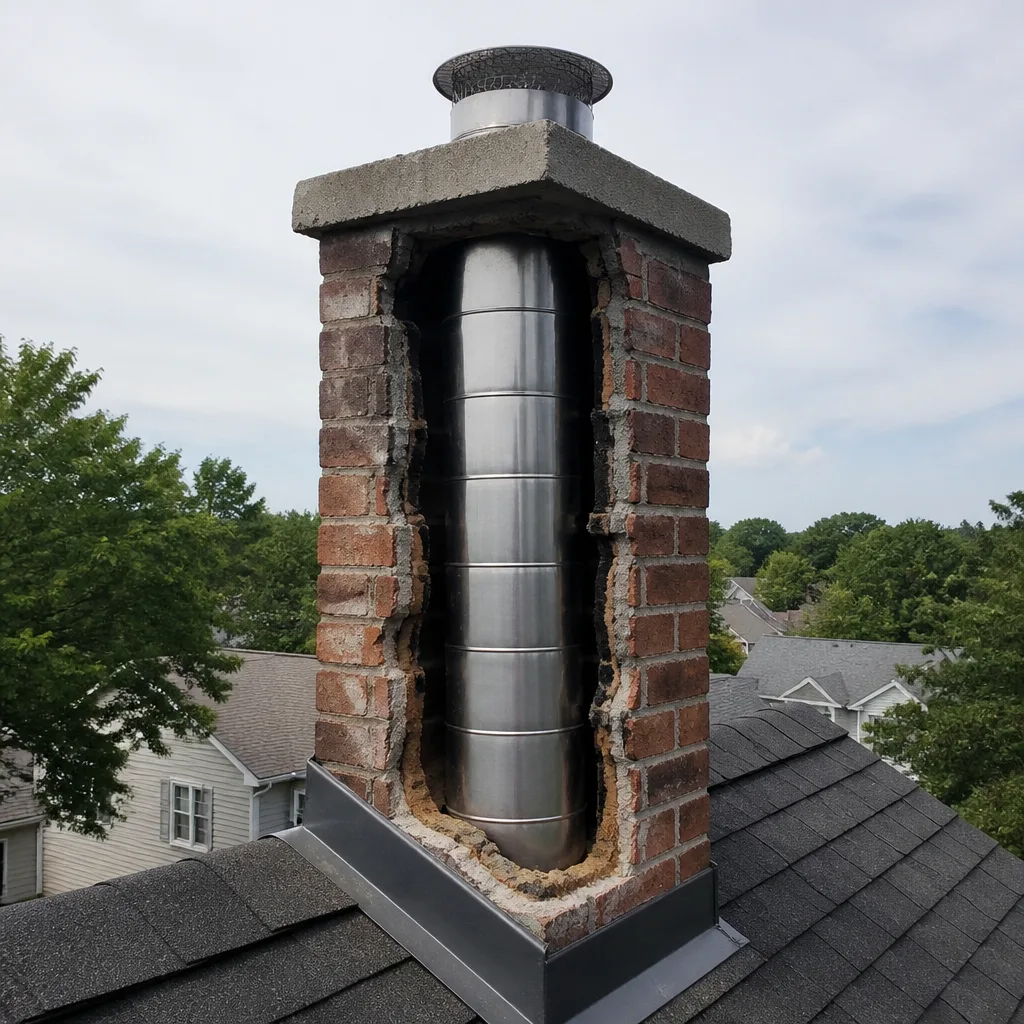 Flue relining
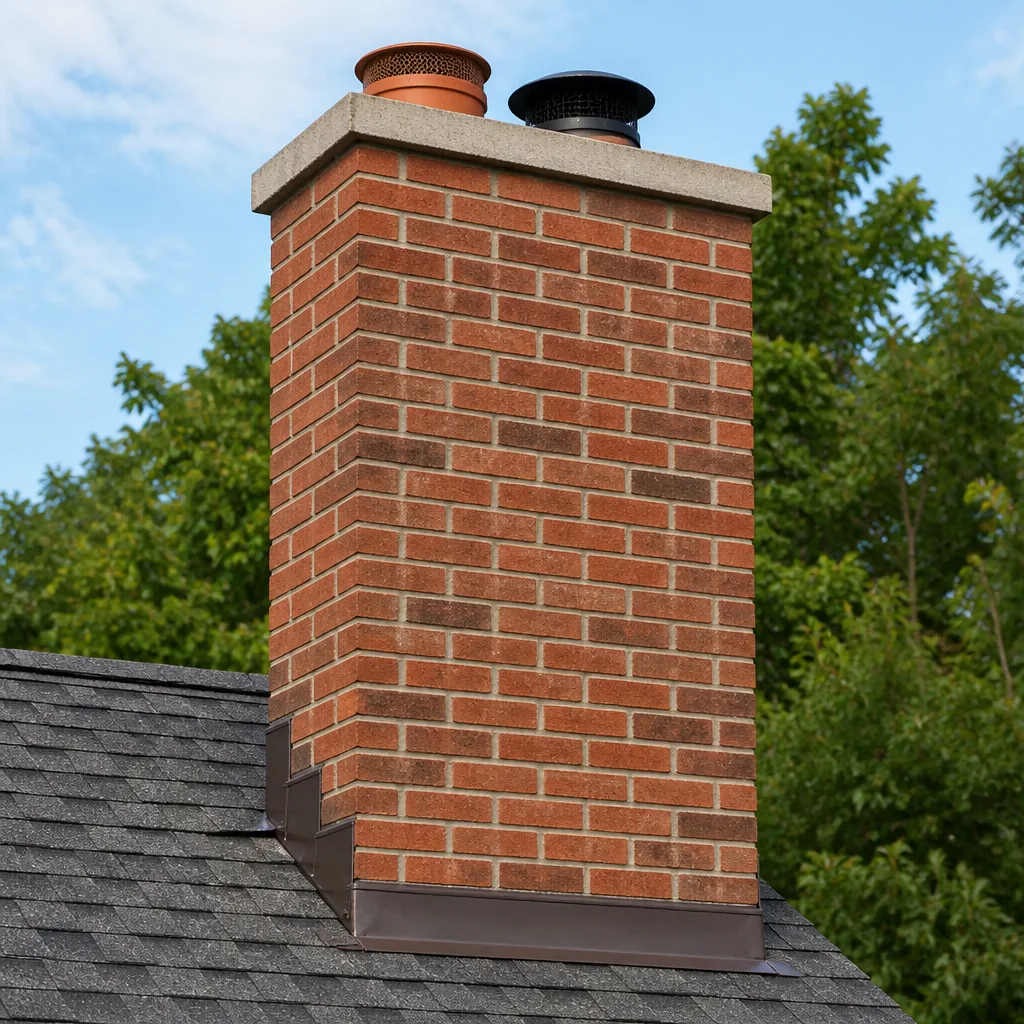 Masonry repair
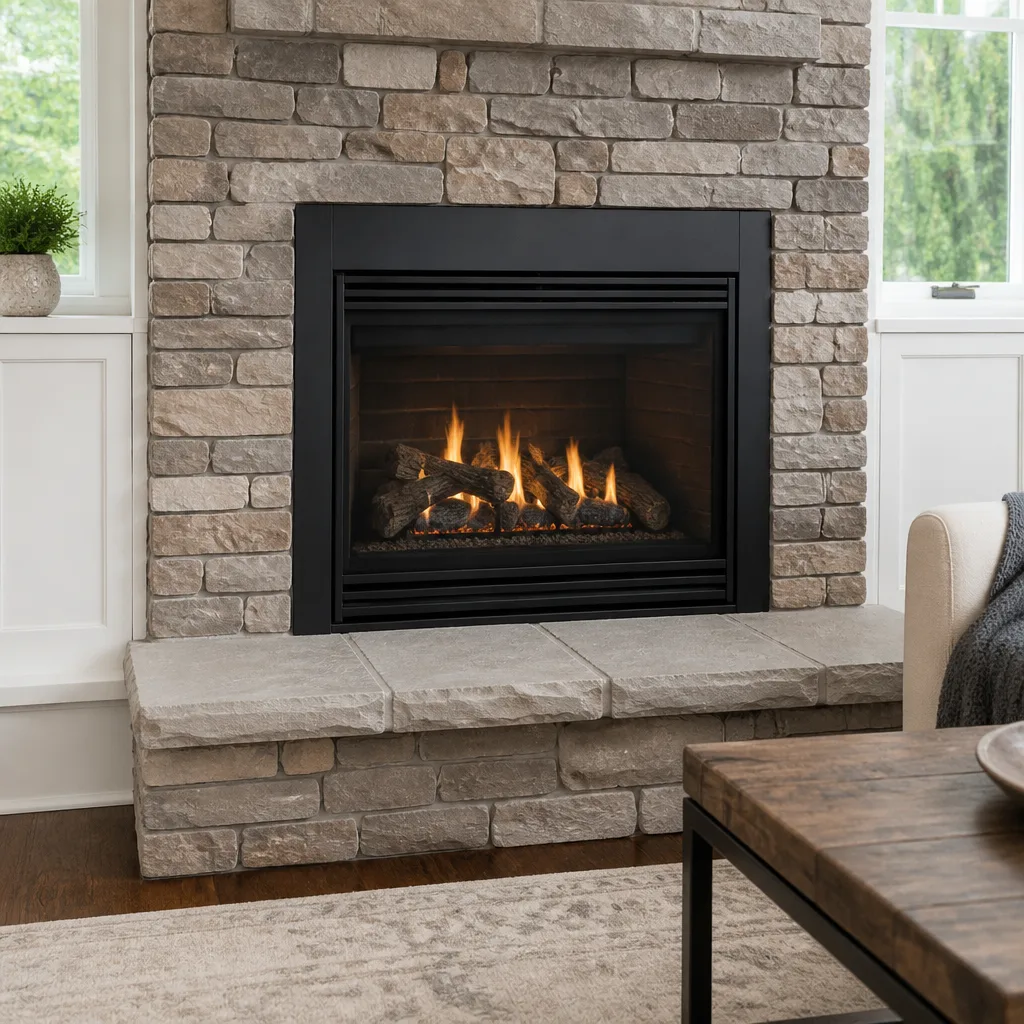 Gas fireplace service
Level 1 sweep and inspection to the NFPA 211 annual standard - flue, crown, cap, and flashing checked and photographed
Chimney sweep logs do not sweep chimneys. They loosen some creosote - which then falls where a brush and vacuum still have to collect it.
The Complete Guide to Chimney Cleaning in Downtown Santa Ana
Most Downtown Santa Ana homeowners light fewer than 15 fires a year. That number surprises people who assume a lightly used fireplace needs little attention. The opposite is often true: a handful of cold-start burns each season can leave soft, sticky creosote because each fire spends more time smoldering than a steady burn would, and the flue between those fires collects spider webs, dry leaves and palm frond fragments. Low use is not no risk. This guide covers what a proper cleaning actually involves across the whole chimney system in Downtown Santa Ana, why our low-humidity climate creates deposits that national guides ignore, and how to tell the difference between a cleaning visit and an inspection visit.
Quick Answer
A full chimney cleaning in Downtown Santa Ana covers the firebox, smoke chamber, flue liner, cap and crown, not just the flue pipe, and uses rotary equipment to remove glazed deposits a hand brush can’t touch. Because winters here are mild and most homes burn lightly, debris intrusion from nesting materials and palm fronds is the dominant hazard rather than the heavy creosote buildup seen in colder regions. An annual sweep paired with an inspection that follows NFPA 211 standards gives you a clear, documented picture of what’s safe, what’s not, and what can wait.
Styles & brands we work with
- Sweep & inspection
- Caps & crowns
- Flue relining
- Masonry repair
- Gas fireplace service
Table of Contents
- Why chimney cleaning in Downtown Santa Ana follows different rules
- What a full-system chimney cleaning actually covers
- Debris intrusion versus creosote: the two hazards in Downtown Santa Ana
- Cleaning versus inspection: what each one does
- How professional rotary cleaning differs from a hardware-store brush kit
- How a chimney cleaning visit works, step by step
- When a liner fails: HeatShield restoration and DuraFlex relining
- How often should a Downtown Santa Ana chimney be cleaned?
Why chimney cleaning in Downtown Santa Ana follows different rules
Most chimney cleaning advice online is written for cold climates with heavy, sustained winter burning. Five months of regular fires, high indoor humidity and snow on the roof. Downtown Santa Ana doesn’t work that way. December and January here are mild enough that many fireplaces run a dozen or fifteen times a season, often on cool evenings rather than in long stretches. That low burn frequency creates a creosote pattern cold-climate guides barely mention.
Every fire is a start-and-stop event. The flue is cold, the fire takes time to reach a clean burn, and during those early minutes the smoke is cooler and wetter. Cool smoke condenses on the flue walls and leaves a sticky, glaze-prone layer. When a chimney only sees a few of these fires a week, that layer sits undisturbed for long stretches instead of being baked and re-baked by constant use. What accumulates is often soft, cloudy and harder to brush off, not the hard crusty flake cold-climate guides describe.
Low humidity is the other half of the picture. Dry Southern California air means nesting debris and palm frond fragments stay loose and light, which makes them easy for wind to carry into an open flue. If you see palm fronds around your home, the same wind that dropped them on the roof is moving that debris down the chimney. In our experience, a lightly used Downtown Santa Ana fireplace with a missing cap is often fuller of leaves than creosote. Because the firebox may not be lit for weeks, no one notices the blockage building.
What does this mean for a homeowner? A cleaning schedule built on fire count alone can mislead. The inspection tells the real story, which is why we recommend pairing a yearly chimney sweep with a Level I or Level II inspection that follows NFPA 211 as the professional benchmark.
What a full-system chimney cleaning actually covers
Chimney cleaning is not a single pipe. It’s the full smoke-path system from where the fire sits to where the smoke exits, and every part of it collects its own kind of deposit. A proper cleaning in Downtown Santa Ana checks and cleans each component.
- Firebox: ash, ember residue, and the brick or refractory panels that take direct heat and wear over time.
- Damper: the metal plate that must open fully and seal when closed; a stiff damper restricts draft and strains the whole system.
- Smoke chamber: the sloping cavity above the damper where smoke collects and where creosote tends to stick; this is where a lot of glazing hides.
- Flue liner: the vertical channel the smoke travels up; cleaning here removes deposits from the entire accessible run.
- Cap: the lid and screen at the top that keep out rain, animals and debris; a damaged or missing cap is a common cause of blockage.
- Crown: the concrete or masonry edge around the flue top that sheds water away from the structure.
Each stage matters for its own reason. A clean firebox removes ash that eats at the firebrick. A clean smoke chamber means fewer stubborn deposits and better draft. A functional cap and crown keep the whole system closed to weather and wildlife. When a contractor only runs a brush down the flue pipe and calls it done, the smoke chamber and cap go unchecked. We handle the full chimney system (sweep to crown) so nothing gets overlooked, and you’ll see our chimney cap & crown work is done by the same people who do the cleaning.
Debris intrusion versus creosote: the two hazards in Downtown Santa Ana
In colder climates, creosote buildup is the primary worry every sweep talks about. In Downtown Santa Ana, debris intrusion is often the far bigger hazard because a lightly used fireplace has weeks between fires to collect whatever the wind blows in. The firebox might be blocked before a single log is ever lit.
Debris in the flue is a direct hazard. Leaves, twigs, animal nesting material and palm frond fragments narrow or plug the smoke path. When you finally light a fire, smoke has nowhere to go but back into the room. If the blockage has built up over a summer, a poorly drafting chimney can also let combustion gases spill into the living space, and carbon monoxide is the one thing you can’t smell.
Creosote, even in a low-use chimney, can still form in that soft, cloudy form after a handful of smoldering fires. The American Chimney Sweep standard and NFPA 211 guidance both treat any meaningful buildup as something to remove before the fire season begins. The critical point: creosote and debris look completely different, and telling them apart is easier to do with a camera than a blind brush.
Commercial property managers in downtown’s older commercial-residential buildings should note that tenant safety compliance often hinges on documented cleaning, so keeping records of debris removal and inspection findings pays off.
Cleaning versus inspection: what each one does
These are two distinct services, and people confuse the two every week. A cleaning removes deposits from the accessible parts of the chimney system. An inspection evaluates the whole system, documents its condition, and tells you what needs repair. You can have a cleaning without a full inspection, but you can’t have meaningful findings without an inspection.
NFPA 211, the standard most professionals work from, describes levels of inspection. A Level I inspection covers the readily accessible parts of the chimney and vents, usually with a camera and a view from the roof. A Level II inspection goes further, including the accessible portions of the flue liner and areas behind the firebox, often with a video camera. A Level II is the right call when you’re buying a home, changing a fuel source, after a chimney fire, or whenever a Level I raises a real question.
When both are necessary, they rarely need to happen on separate visits. A well-run visit sweeps, inspects, and gives you a written report in one sitting. Inspection services aligned with NFPA 211 Level I and Level II standards give homeowners documented proof of the chimney’s condition, which matters if you’re a buyer, a seller, or a landlord proving tenant safety compliance.
How professional rotary cleaning differs from a hardware-store brush kit
A hardware-store brush kit is a stiff bristle head on a flexible rod. It works fine for the loose, flakey soot a well-burned flue produces. It struggles with the glazed deposits and soft cloudy buildup that Downtown Santa Ana’s stop-and-start fires create. That’s the gap a professional rotary system fills.
A rotary cleaning system spins a set of whips, chains or brush heads at controlled speed down the flue. The spinning action forces the heads against the flue walls from multiple angles at once, scuffing off glaze and soft residue the way a hand brush physically can’t. The difference shows up when you run a camera after the job: a flue cleaned only by hand often still shows a smooth, glossy liner that glazed deposit clings to.
Equipment also protects the chimney. A rotary head sized and turned at the right speed cleans the liner without gouging it. A too-large head, or a brush used by someone unfamiliar with flexible liners, can damage the flue surface. Professional systems are sized to the flue, and our technicians have up to 13 years of experience judging that in the field. If the problem has gone past cleaning into a failing liner, we can bring in HeatShield liner restoration to resurface the existing flue rather than start over with a full replacement.
How a chimney cleaning visit works, step by step
A proper visit follows a clear sequence. Knowing what to expect takes the guesswork (and the worry about surprise charges) out of the appointment.
- Protect the room. Canvas drop cloths and a contained vacuum system keep dust from migrating through the house.
- Inspect before cleaning. A quick look at the firebox, damper, smoke chamber and flue tells us what kind of deposit we’re dealing with before a brush is ever spun.
- Clean from the top down. The flue is cleaned with rotary equipment, then the firebox and smoke chamber are swept and vacuumed.
- Inspect with a camera. A video inspection of the flue confirms the cleaning worked and shows any liner damage the camera can reach.
- Report and recommend. You get findings in plain language: what’s safe, what needs repair, and what can safely wait. Nothing is recommended without camera evidence you can see for yourself.
Anything we find during the visit (a cracked crown, a missing cap screen, a damaged damper) is part of the same service path. Our team handles fireplace repair as well, so a stiff damper or a cracked firebrick doesn’t turn into a second appointment with a second contractor.
When a liner fails: HeatShield restoration and DuraFlex relining
Not every aging liner needs a full replacement. That’s the gap between repair and replacement most estimates miss, and it’s worth understanding before you sign anything.
HeatShield is a resurfacing system that coats the interior of an aging masonry flue from the inside out. A trained applicator runs the material down the flue on a special tool, spreads it against the walls, and the result is a smooth, restored lining that extends the life of a flue that’s still structurally sound. It’s a repair solution for the intermediate case: a liner that’s worn, spalling or roughened but not collapsed. A full reline is still the right answer when the original liner is too far gone.
When a full reline is needed, we install DuraFlex flexible liner systems. Flexible liners are the preferred solution for retrofitting older or irregularly shaped flues, and DuraFlex systems are designed to meet NFPA 211 clearance standards so the retrofit meets the standard a new install would. If you’re weighing restoration against replacement, an inspection that tells you which one actually applies is the place to start.
How often should a Downtown Santa Ana chimney be cleaned?
For most Downtown Santa Ana homeowners, an annual chimney cleaning is the right baseline, regardless of how often the fireplace is used. The lightly used fireplace still collects debris and light creosote; the heavily used one collects more. Once a year catches both before they become a problem.
Some homes need more frequent attention:
- Heavy use: a fireplace lit most cool evenings through the season, especially with softer or greener wood.
- Missing or damaged cap: debris and nesting material build up fast without a screen in place.
- Older flue: a masonry liner with visible cracking or spalling needs a closer look each year.
- Rental property: a documented annual inspection helps with tenant safety compliance and gives you a clean paper trail.
The practical rule: book the cleaning before the first burn of the season, not after. But when you actually schedule it doesn’t change the fact that low use is not no risk. A sweep booked well before the fireplace season gives you a clear picture of the system without pressure.
Common Mistakes to Avoid
- Assuming a lightly used fireplace doesn’t need a cleaning. A Downtown Santa Ana fireplace lit a dozen times a year is still collecting debris and soft creosote between those fires; low use isn’t the same as no risk.
- Cleaning only the flue pipe. A brush down the flue misses the smoke chamber, cap and crown, which are where the deposits and damage actually hide. A visit that stops at the pipe isn’t a full-system cleaning.
- Skipping the cap. An open flue in a windy LA-area climate is a funnel for leaves and palm fronds. A properly fitted Famco or Copperfield cap is one of the highest-value parts of a full chimney system.
- Treating every visit as a sales opportunity. A reputable inspection tells you what can safely wait. You shouldn’t feel pushed toward a liner replacement you don’t need, and you shouldn’t feel told everything is fine without seeing the evidence.
- Using a hardware-store brush on a glazed flue. The soft, cloudy glaze in a low-burn-frequency flue doesn’t come off with a stiff hand brush; the rotary equipment is what removes it.
- Burning unseasoned or green wood. It smolders, sends cooler smoke up the flue, and leaves more glaze behind. Dry, seasoned wood pays for itself in fewer deposits.
- Waiting to book until the season is already underway. Scheduling a cleaning before the first fire gives you time to deal with anything the inspection turns up, without pressure.
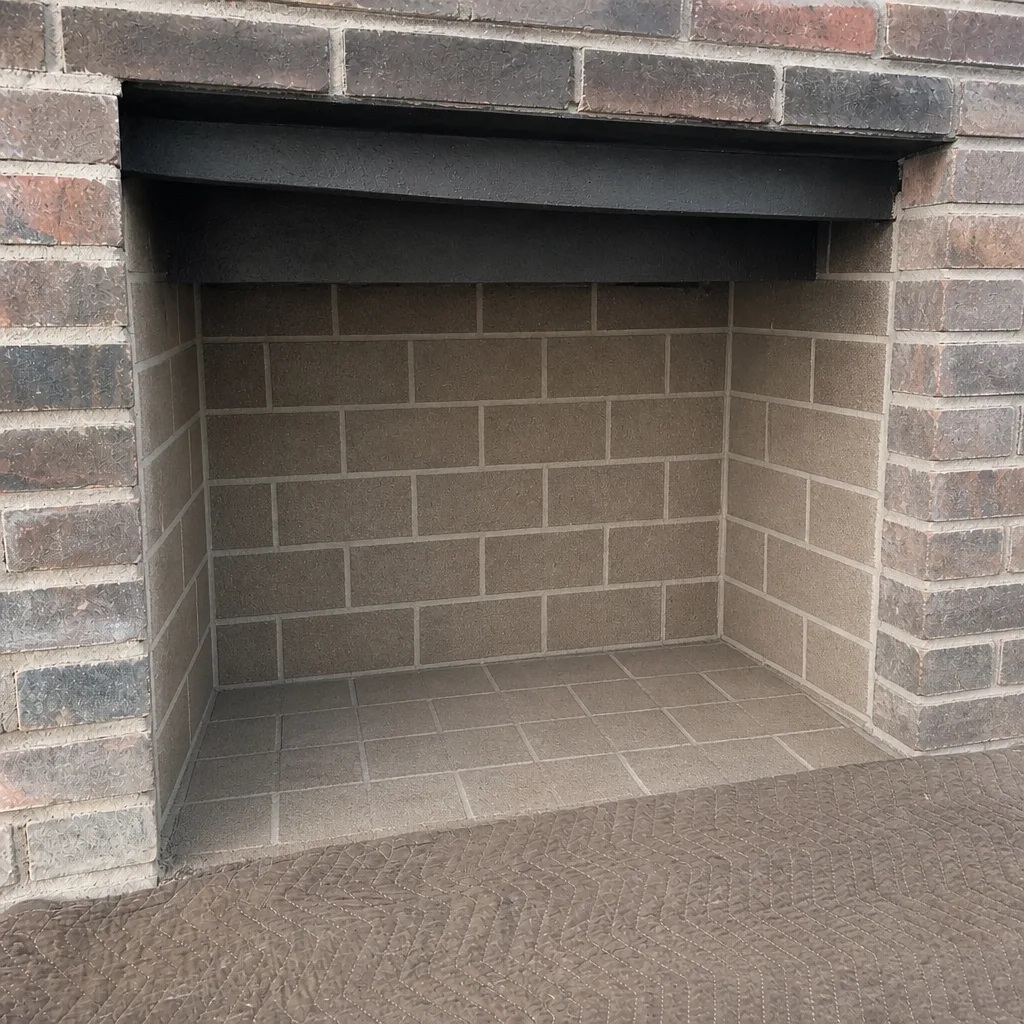
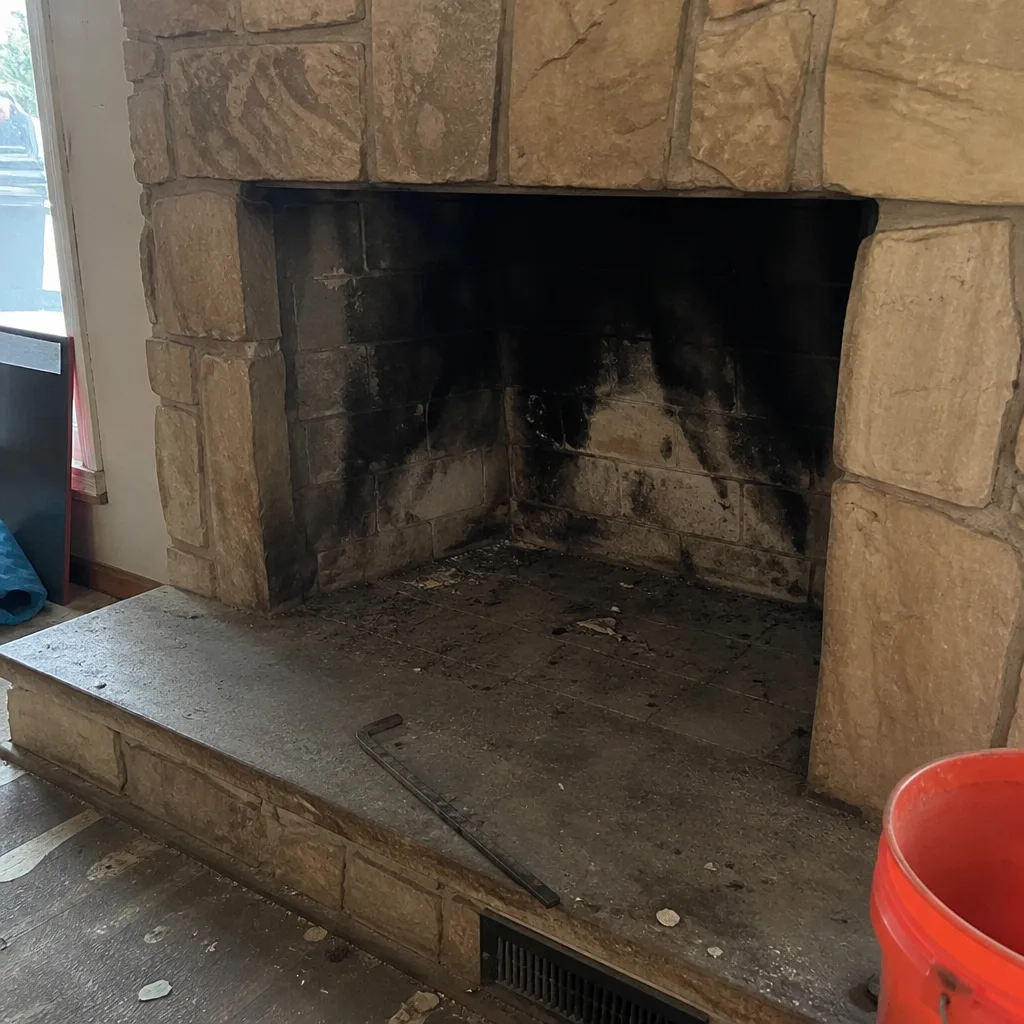
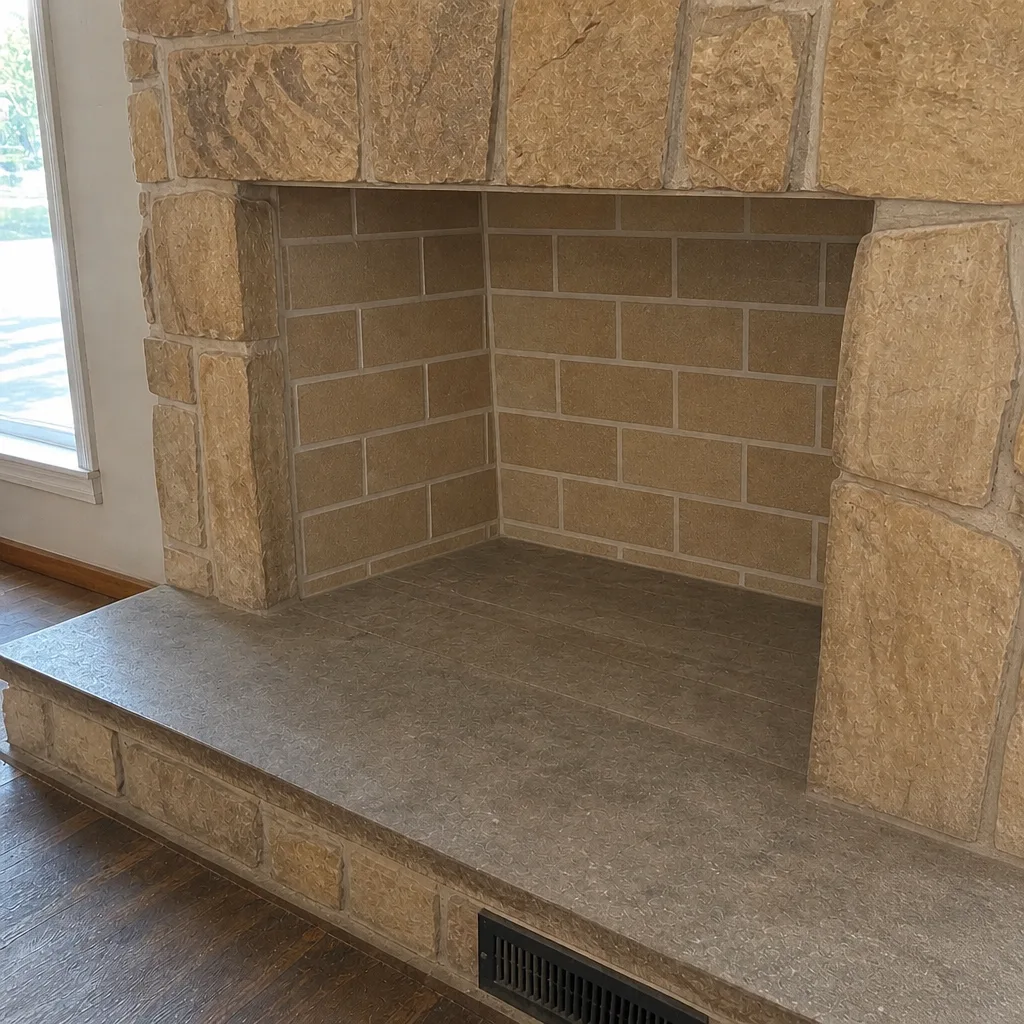
See the difference
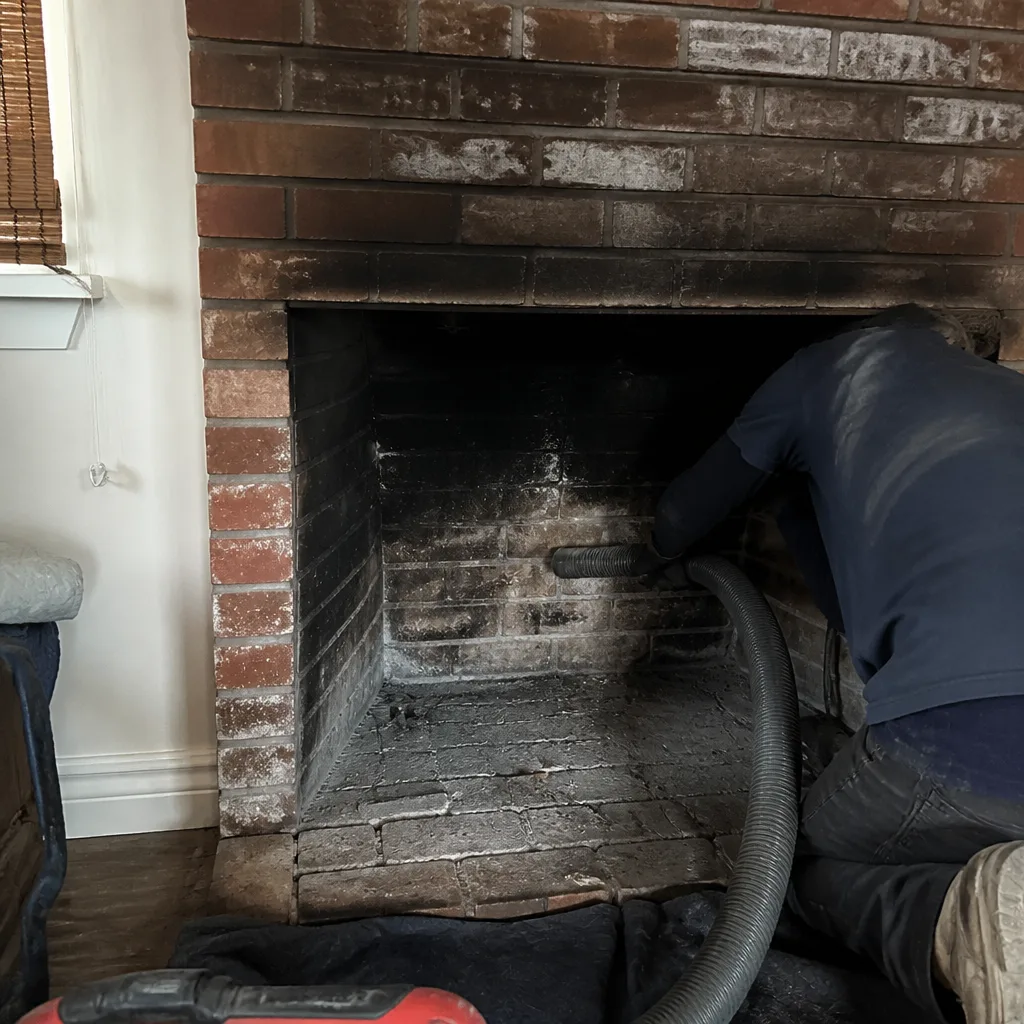 Before
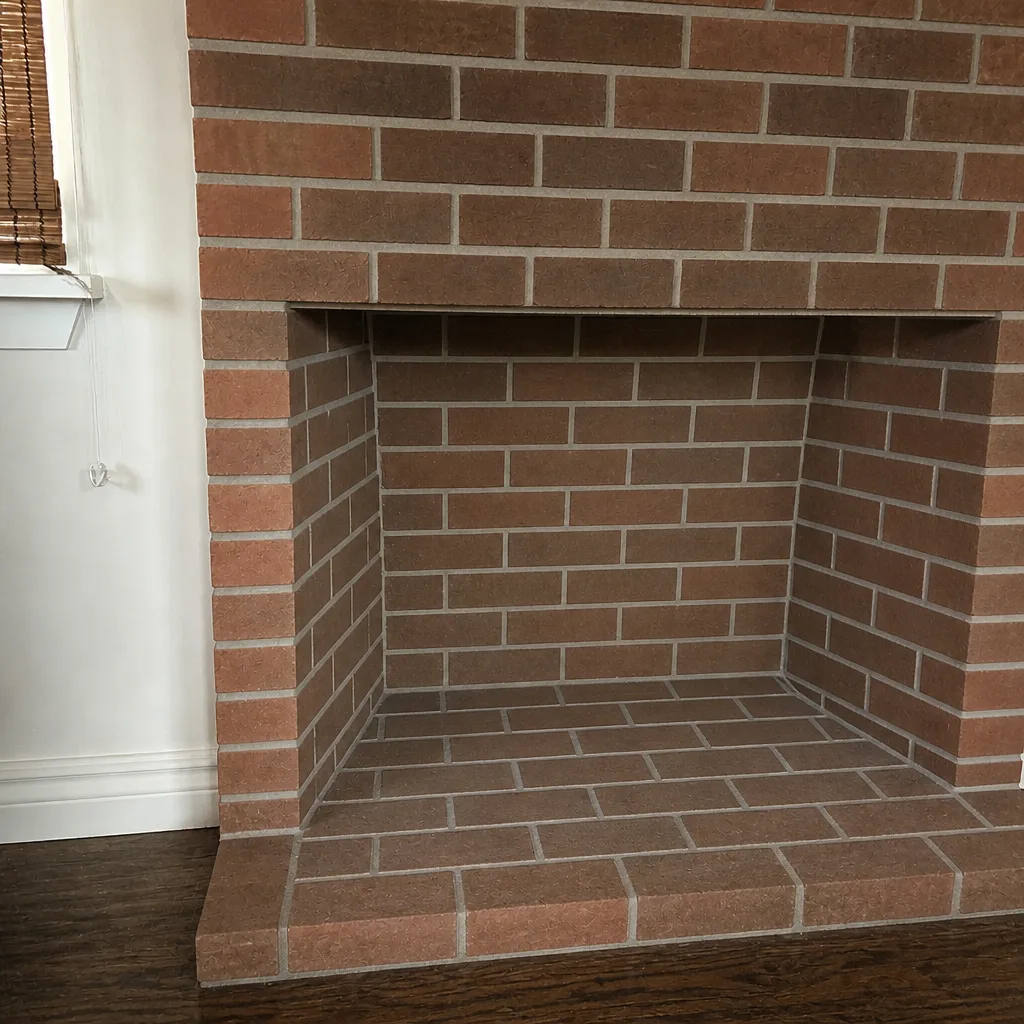 After
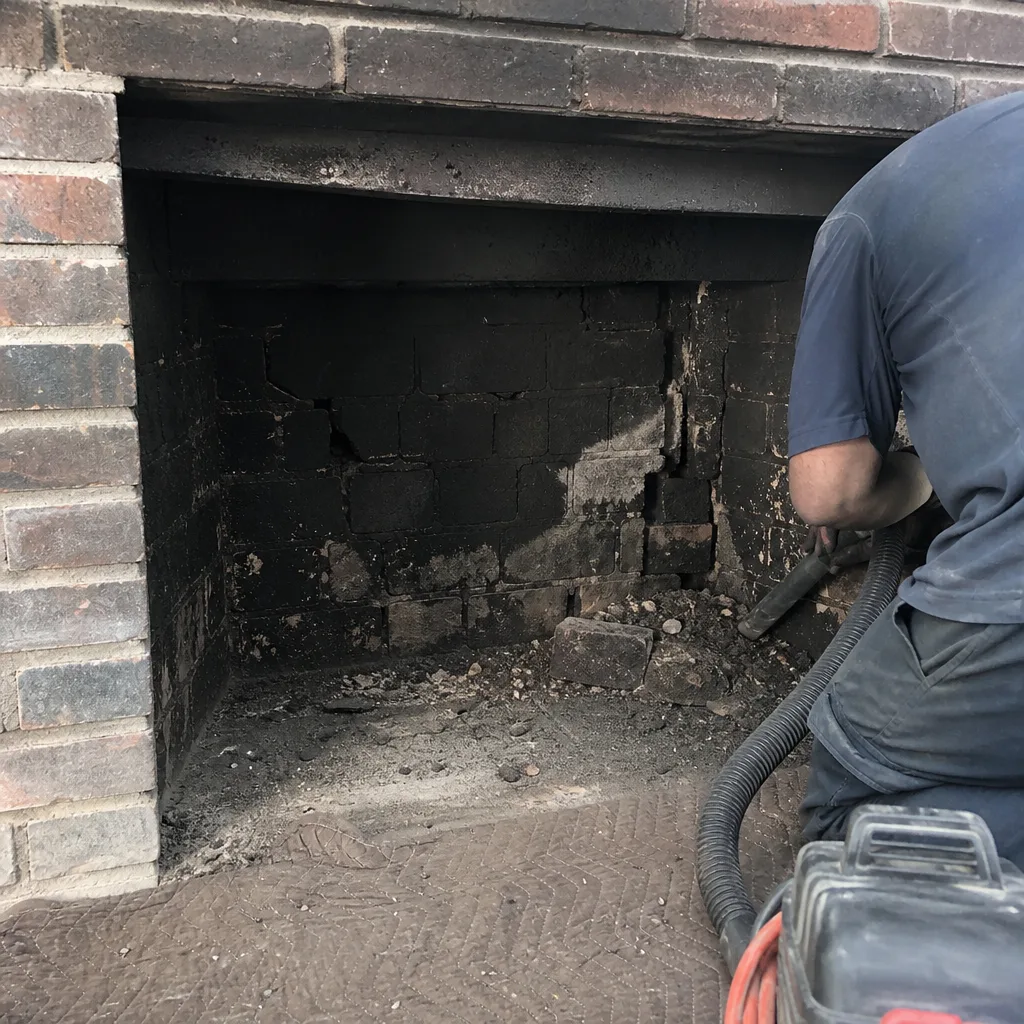 Before
 After
 Before
 After
When to Call a Professional
Call a professional when you don’t know the last time the chimney was cleaned, when the fireplace smokes back into the room or the fire doesn’t want to catch, or when you’ve seen debris visible at the top or bottom of the flue. Call if you’re buying or selling a Downtown Santa Ana home and want a Level II inspection with camera documentation. Call if the firebox has white, chalky staining or the masonry liner shows cracks. Above all, don’t put a brush on a glazed flue or run a camera alone if you don’t know what you’re looking at; a trained technician is the right call for the whole system. Chimney Sweep Downtown Santa Ana offers free estimates in Downtown Santa Ana. Call (866) 947-9102. We answer 24/7. Fast dispatch from 7am to 7pm, Sunday through Friday.
Frequently Asked Questions
The price is set per job by the written estimate. A basic cleaning is typically the lower end of the range; adding a camera inspection or repairing a damaged cap or crown adds cost because it’s part of the same visit. We give you a flat-price estimate before we book, so you know the number for the whole job. Call (866) 947-9102 for an exact quote. Estimates are free.
Once a year for most homes, even those that burn fewer than 15 fires a year. A low-use fireplace still collects debris and soft creosote, and a yearly sweep plus inspection catches both in a single visit. If you have a missing cap, an older liner or a rental property, a closer look each year is worth it.
Not always. Many flues that get quoted for replacement can be restored with HeatShield liner restoration, which is a cost-saving alternative to a full replacement when the underlying structure is sound. A camera inspection is the only way to know which case you’re in. We tell you what’s safe, what’s not, and what can safely wait, backed by evidence you can see. Call (866) 947-9102 to get a documented answer.
Two hazards build up: creosote and debris. A flue full of palm fronds and nesting material can block the smoke path entirely, letting smoke and carbon monoxide back into the room. Soft creosote in a low-use flue can still reach levels that warrant removal. Neither is an emergency in most cases, but both are easier and cheaper to catch before they affect the system. Call to book an inspection and settle the question.
No. Mild winters actually produce more of a specific kind of creosote: start-and-stop burns leave cooler, wetter smoke that condenses into soft glaze on the flue walls. That pattern is easy to miss if you judge by fire count alone. An annual cleaning that accounts for it is still the right baseline.
A cleaning removes deposits from the accessible parts of the chimney system. An inspection evaluates the whole system, documents its condition, and tells you what needs repair. Most visits combine both: sweep and inspect in one appointment, then a written report you keep on file. Inspection services follow NFPA 211 Level I and Level II standards as the professional benchmark.
The Bottom Line
Chimney cleaning in Downtown Santa Ana isn’t a straight copy of cold-climate advice. Low-burn-frequency fires create a soft, glazed creosote pattern that a hardware-store brush won’t remove; palm fronds and nesting debris are the dominant blockage risk in a lightly used flue. A proper cleaning covers the whole system (firebox, smoke chamber, flue, cap and crown), pairs with an inspection that follows NFPA 211 standards, and uses rotary equipment for the deposits a hand brush can’t reach. When the liner is the problem, HeatShield restoration can extend the life of a sound flue without a full reline. The written estimate and camera evidence are what make the answer trustworthy.
Contact
Chimney Sweep Downtown Santa Ana keeps one number for booking, scheduling and questions: (866) 947-9102. Call (866) 947-9102 for a free estimate. We answer 24/7. Fast dispatch from 7am to 7pm, Sunday through Friday. One call, one crew, every part of the job.
Written by the team at Chimney Sweep Downtown Santa Ana.