
Last updated November 25, 2026
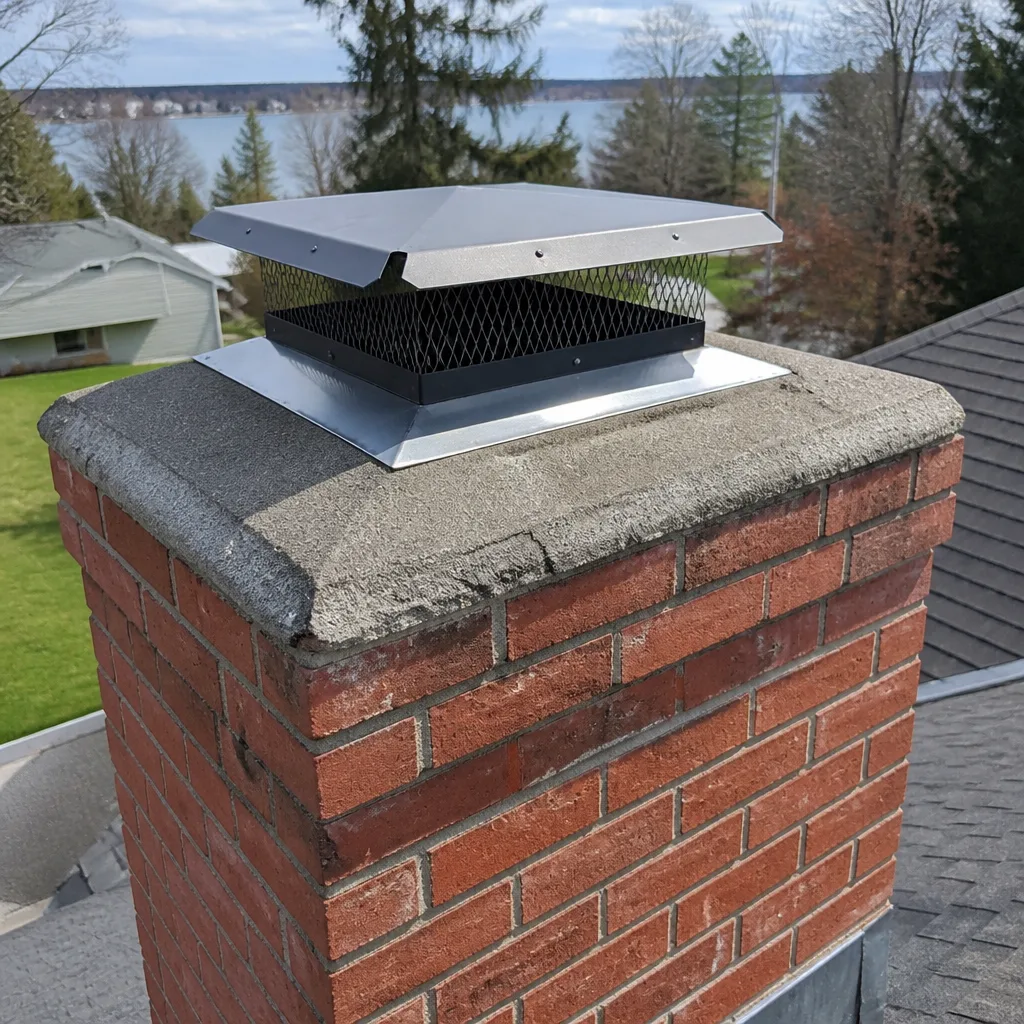 Sweep & inspection
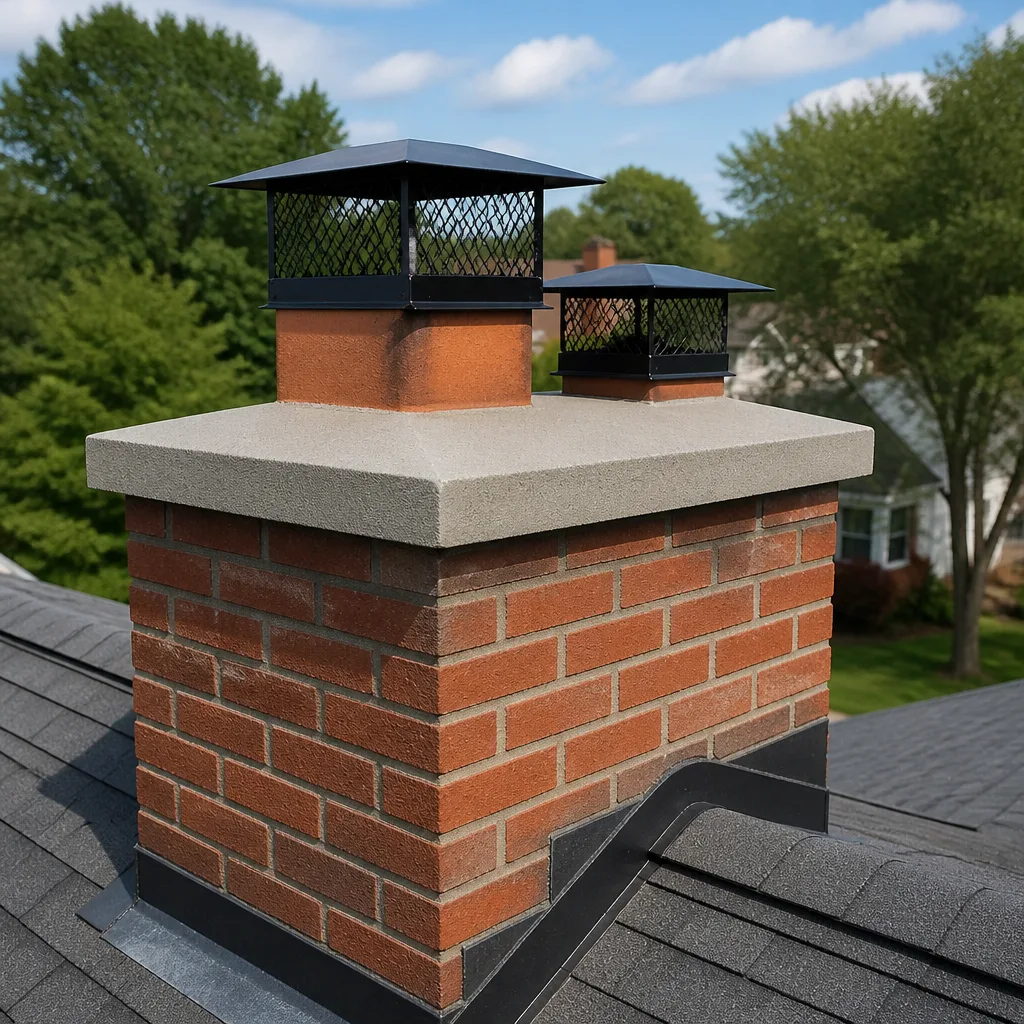 Caps & crowns
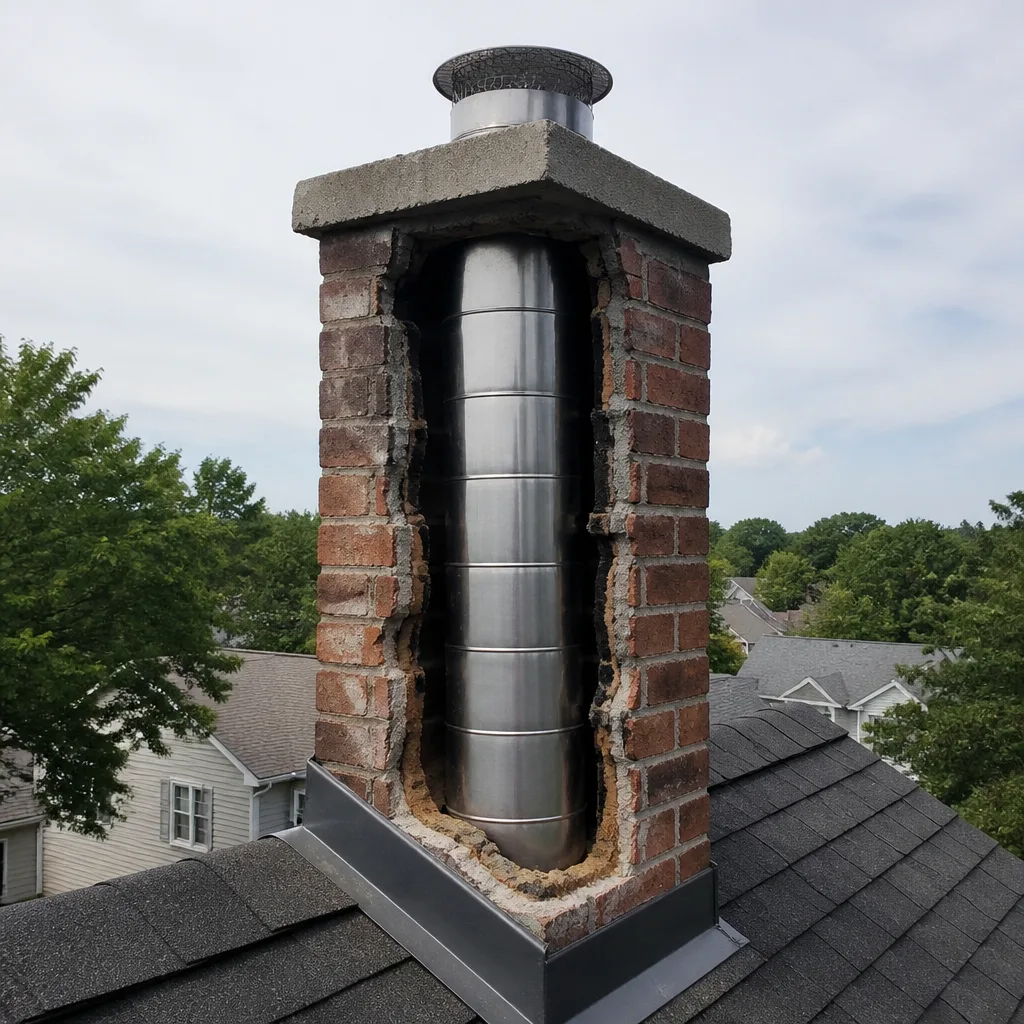 Flue relining
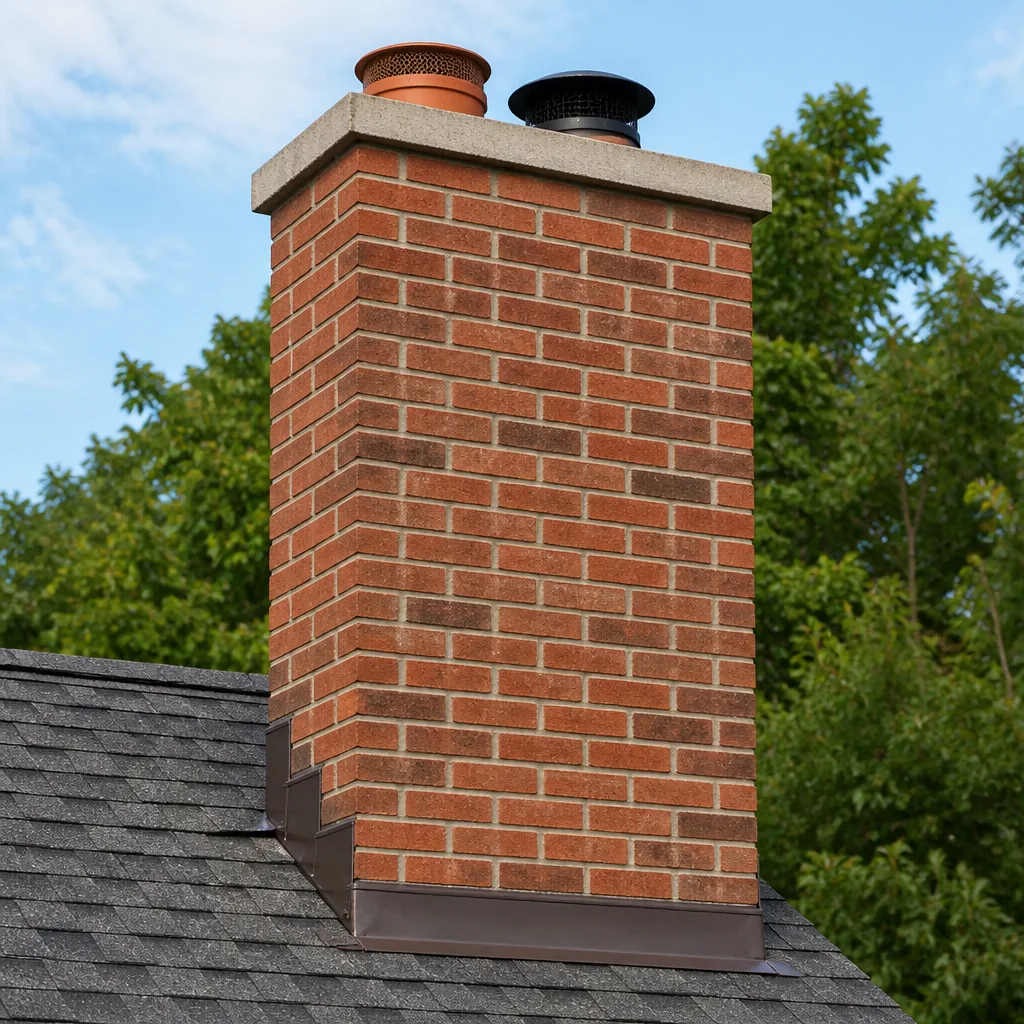 Masonry repair
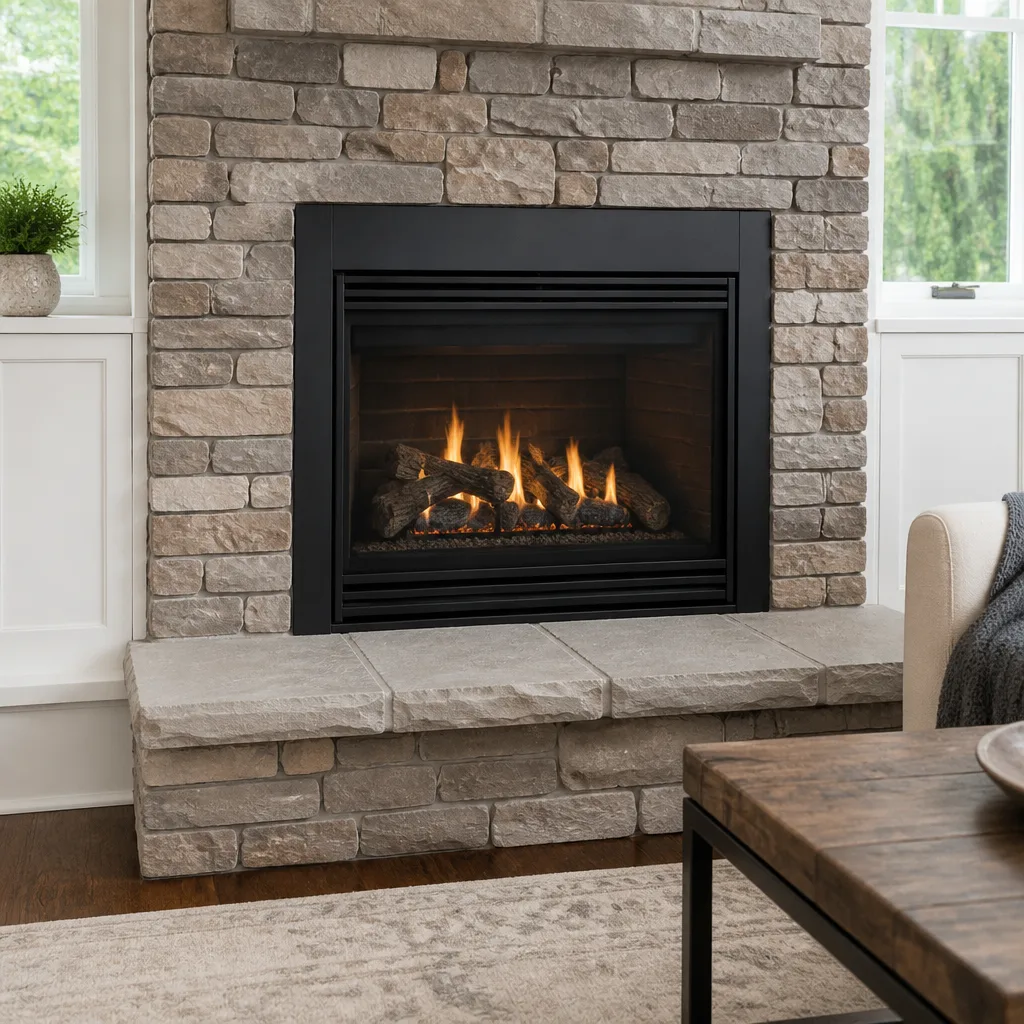 Gas fireplace service
Level 1 sweep and inspection to the NFPA 211 annual standard - flue, crown, cap, and flashing checked and photographed
Chimney sweep logs do not sweep chimneys. They loosen some creosote - which then falls where a brush and vacuum still have to collect it.
Choosing the Right Chimney Cleaning Brand: A Buyer’s Guide for Downtown Santa Ana
Ask two chimney contractors in Downtown Santa Ana what they’d use to repair your smoke chamber and you’ll get two answers that sound equally confident. Then ask for the product name. One names a manufacturer with published temperature ratings and application standards. The other says something about “a high-heat sealant we’ve always used.” That gap is the whole decision. Any contractor can apply a coating. The question that predicts whether the repair holds is whether the material is rated for continuous flue temperatures and comes from a recognized chimney industry manufacturer, or whether it’s a generic masonry product doing a job it was never formulated for. This guide shows you how to read a bid, ask the right questions, and judge a contractor by what they put inside your chimney, not by their logo.
Quick Answer
The right chimney cleaning company in Downtown Santa Ana is the one that names the specific professional-grade products it uses for each repair task – HeatShield for smoke chamber and liner resurfacing, DuraFlex for flexible stainless liners, Gelco and Olympia Chimney for caps and venting components – and can explain why each material suits your flue. Brand specification is a vetting tool: a contractor who can’t tell you what product they’re applying to your chimney isn’t performing a professional repair. It’s guesswork.
Styles & brands we work with
- Sweep & inspection
- Caps & crowns
- Flue relining
- Masonry repair
- Gas fireplace service
Table of Contents
- Why Material Choice Predicts Repair Longevity
- The Recognized Brands and What Each One Does
- How to Ask a Contractor What They Use
- Certified Applicators vs. Generic Substitutes
- Stainless Steel Grade in the Local Climate
- Reading Bids Through a Material Lens
- What Downtown Santa Ana Housing Means for Your Flue
- How to Verify a Claim Before You Sign
Why Material Choice Predicts Repair Longevity
A chimney is an oven with a vent. Temperatures inside a working flue climb high enough to break down products that weren’t engineered for them, and the failure is quiet. A coating that isn’t rated for continuous heat can look fine on the day it’s applied and then crack, spall, or flake off within a couple of heating seasons. By then the contractor is gone and you’re paying a second company to remove the first company’s materials.
That’s why the material specification matters more than the labor pitch. Labor is variable and hard to judge from the outside. A product name is checkable. The manufacturer either publishes a continuous-temperature rating and an application standard or it doesn’t. It either has a system behind it – surface prep requirements, primer, cure schedule, thickness – or it’s a bucket of caulk with a label.
In our experience, the repairs that come back are almost always the ones where a generic masonry sealant was used on a surface it was never designed for. The fix isn’t more caulk. It’s resurfacing the failed area with a system specified for chimney interiors, which is exactly what HeatShield restoration does. It’s a resurfacing approach for aging chimney interiors that can extend the life of the flue when a full liner replacement isn’t necessary yet. Not every flue qualifies, and camera inspection decides that – but when it does apply, it saves real money compared with tearing out and relining.
For Downtown Santa Ana homeowners, this comes down to a practical test you can run in the first five minutes of a conversation. Ask what they’d use on your smoke chamber, your crown, and your cap. If the answer is a category (“a sealant,” “a cap”) rather than a manufacturer and a product line, you’ve learned something useful before anyone climbs on the roof.
The Recognized Brands and What Each One Does
Chimney work has a small group of professional-supply manufacturers who specialize by task. You won’t find most of them at a hardware store, and that’s the point – they’re sold through professional channels to contractors trained in the system. Here’s the map, kept simple.
- HeatShield specializes in chimney liner and smoke chamber restoration. It’s a resurfacing system applied to the interior, not a spray-on sealer. It’s used to repair cracked flue tiles and smooth out a rough smoke chamber, and it’s an alternative to full relining in the right conditions. Qualified application matters: it’s a system with prep and cure requirements, not a paint.
- DuraFlex makes flexible stainless steel liner systems, the standard solution for relining older or irregular flues that won’t accept a rigid liner. Flexible liners are designed to meet National Fire Protection Association (NFPA 211) clearance standards when installed correctly.
- Gelco specializes in chimney caps, covers, and venting components – dampers, top-sealing assemblies, and stainless caps sized to the flue.
- Olympia Chimney covers the broader system side, including liner components, caps, and venting parts that tie a chimney together as a complete assembly rather than a collection of mismatched pieces.
We work with these brands because they’re specified by trade, which means each product is doing the job it was actually designed for. A HeatShield application is judged on its own standards; a Gelco cap is sized to your flue rather than trimmed to fit on the roof. That adjacency, one manufacturer’s strength per task, is why the full-system approach works. When the same team handles a Chimney Sweep Downtown Santa Ana and the repair and the cap, there’s no square-peg moment at the end of the job.
What you should take from this list is not “buy these brands” – it’s that a professional chimney contractor should be able to run through a similar list from memory. If they can’t, ask yourself what’s being applied to your flue.
How to Ask a Contractor What They Use
This is the part most homeowners skip, and it’s the highest-value five minutes of the whole process. You don’t need to know the products beforehand. You need to ask in a way that separates a real answer from a rehearsed one. Here’s a sequence that works.
- “What product would you use on my smoke chamber, and who makes it?” A real answer names a manufacturer. A vague answer (“a refractory coating,” “a heat-rated sealant”) tells you they either don’t know or don’t want to say.
- “Is that product rated for continuous flue temperatures?” This question sorts chimney-grade materials from generic masonry products. If the contractor can’t speak to the rating, they’re using something improvised.
- “What stainless grade would the liner be, and why that one?” A professional answers without hesitation and can explain the trade-off. If the response is “stainless is stainless,” keep looking.
- “How would I verify that before you start?” The best answer is a product spec sheet or a manufacturer website you can check yourself. A contractor with nothing to hide hands this over without being asked twice.
- “Can I see the camera footage of what needs the repair?” Any repair recommendation should be backed by what the camera actually shows. If the answer is no, the recommendation is unverified, and you’re being asked to spend money on trust alone.
Two of these questions – the temperature rating and the stainless grade – are ones most generalist handymen can’t answer, and that’s the filter working as intended. A chimney contractor who has handled the whole system enough times to have preferences is the one you want. Our technicians have up to 13 years of experience, and they’ve seen the full range of what a flue can be subjected to. The good ones can talk about material choices the way a good mechanic talks about oil: with specifics, not marketing.
One more tip: write the answers down. When you compare bids, you’ll want the material names side by side, because that’s where the real differences show up.
Certified Applicators vs. Generic Substitutes
Not every contractor who says they “use HeatShield” applies HeatShield the way it’s designed to be applied. The system has requirements – surface preparation, proper thickness, cure time, primer where specified – and skipping any of them means the product won’t perform to its rated life. This is the difference between a reseller and a qualified applicator, and it’s worth asking about directly.
Here’s how to tell the two apart:
- A qualified applicator knows the prep. They’ll describe how they clean and condition the interior before application, not just what they spray or trowel on.
- A qualified applicator can tell you what won’t work. HeatShield liner restoration has conditions; it isn’t right for every flue. A contractor who says “every chimney qualifies” is selling, not diagnosing.
- A reseller sells the branded product but improvises the job. They may use the right name on the invoice while skipping the system’s requirements. Ask how they’ll prep and how long it cures, and listen for specifics.
- A generic substitute is often dressed up in a professional-sounding name. If the product isn’t sold through professional chimney channels and doesn’t have published specs, it’s not a system – it’s a sealant.
The stakes here are practical. A proper HeatShield application can extend the service life of an aging flue, and it’s often the lower-cost option when a full reline isn’t called for. An improper application performs like a cheap patch – it might hold a season, then need to be removed and redone. For a Downtown Santa Ana homeowner weighing a fireplace repair against a bigger reline, that difference is hundreds of dollars and a lot of frustration.
If you want to know what’s actually happening inside your chimney before anyone proposes a repair, start with the diagnosis. A camera inspection with a photo report you can see for yourself is the honest starting point, and everything else should follow from it.
Stainless Steel Grade in the Local Climate
Stainless steel comes in grades, and the grade matters for anything on the exterior of your chimney: caps, top-sealing dampers, and the terminal end of a liner. The two you’ll hear about are 304 and 316. Knowing the difference is a genuine vetting tool.
304 stainless is the standard grade for most outdoor chimney components. It resists rust well in ordinary conditions. 316 stainless adds molybdenum, which makes it more resistant to chloride-driven corrosion – the kind that shows up where the air carries a little more moisture and salt influence. In a Southern California climate that’s mild but has some coastal-character air moving through, 316 is the better choice where the exposure is greatest: exterior cap surfaces and liner components that see weather.
What that means for your bid is straightforward. Ask this:
- “What stainless grade is the cap?” If the answer is “stainless steel” with no grade, they haven’t specified the product precisely enough to evaluate.
- “What grade for the liner components and the top plate?” The top plate and cap are the most weather-exposed pieces. That’s where 316 earns its place.
- “Why that grade for this location?” A professional connects the grade to the exposure, not to a generic “quality” claim.
This also matters when choosing a cap through a brand like Gelco or Olympia Chimney, because both make caps in more than one material and grade. “We’ll put a cap on it” is a different statement from “we’ll install a stainless 316 cap sized to your flue opening.” One is a patch. The other is a product specified to your chimney and your weather. If you’re having the cap and crown inspected as part of a sweep, this is a conversation worth having with whoever is on the roof.
Reading Bids Through a Material Lens
Two bids from two contractors can look identical on the surface even when they’re selling completely different work. The material specification is what separates them. Here’s a checklist you can hold next to each line item.
- Diagnosis: Both bids should reference a camera inspection. If one doesn’t, it’s quoting blind.
- Sweep: The chimney sweep line item should describe the method and which parts of the system get cleaned – firebox, flue, smoke chamber, damper area.
- Liner repair or reline: Look for a manufacturer name and a product type. “Liner replacement” with no material specified is a red flag. “DuraFlex flexible stainless liner, 316 components” tells you what’s being installed.
- Smoke chamber or flue resurfacing: If HeatShield or a comparable system is proposed, ask who applies it and whether they’re qualified. If nothing is named, the bid is for a generic coating.
- Cap and crown: The bid should name the material – Gelco or Olympia Chimney components, stainless grade, and whether the crown is being rebuilt or sealed. This is one place to look at the chimney cap & crown scope carefully.
- Warranty or accountability terms: Which company stands behind the work, start to finish?
The bid that’s missing materials isn’t necessarily a low bid – it may be a bid that will cost you more when the repair doesn’t hold. The bid that names the materials even slightly more carefully is the one worth a second look.
The practical version of this: put both bids next to each other, highlight every product name that appears, and see which one survives the highlight. A contractor who can name the product is performing a professional repair. One who can’t is hoping the flue will hold. Those are two different products, and only one of them comes with a warranty worth having.
What Downtown Santa Ana Housing Means for Your Flue
Chimneys in Downtown Santa Ana aren’t all alike, and the housing stock here shapes what materials are the right fit. The neighborhood’s mix of older homes, infill construction, and historic buildings produces a range of flue conditions you don’t often see in a newer suburb.
Three things show up regularly. First, older flues often have offset or irregular linings, which is exactly where DuraFlex flexible liner systems earn their place – they line the actual shape of the flue rather than assuming it’s straight. Second, smaller homes and apartments mean a single flue may be doing a lot of work, and the smoke chamber and crown often need attention in the same visit as the sweep. Third, the mild winter means fireplaces get used heavily during the heating season and then sit idle – a cycle that’s hard on mortar and interior coatings over time.
If you’re in an older building or a rental property, the material question becomes a compliance question as well. NFPA 211 Level I and Level II inspections are the professional benchmark for documenting chimney condition, and a report that names what’s safe, what isn’t, and what can wait is worth more than a verbal verdict. Level II is the sensible choice when a liner, cap, or structural change is being considered, because it documents the condition beyond a basic visual check.
A single visit handling the sweep, the inspection, and the cap-and-crown work means one diagnosis, one photo report, and one set of decisions – not three contractors arguing over priorities. That’s how we handle every chimney in Downtown Santa Ana, because most of the surprises live in the handoff between trades.
How to Verify a Claim Before You Sign
The final step is the one that separates a good buyer from a great one: verify the claim, not just the promise. Any contractor can say they use professional-grade products. Verifying it is a short, focused process.
- Ask for the product spec sheet. A manufacturer’s published spec will name the product, its application standard, and what it’s rated for. If the contractor can’t produce it, ask why.
- Cross-check the manufacturer. HeatShield, DuraFlex, Gelco, and Olympia Chimney all publish product information. Take five minutes to confirm the product they named exists in the configuration they claim.
- Ask who applies it and whether they’re qualified. For systems like HeatShield, the person applying it matters as much as the product. A qualified applicator can describe the prep and cure, not just the application.
- Request the camera report before approving the repair. Every recommendation should trace back to something you can see. If the footage doesn’t match the recommendation, ask why.
- Put the material names in writing. A written estimate that names the products and grades is the contract. A verbal one leaves room to substitute at the last minute.
None of that takes long. And it works with any contractor, including ours. If a Downtown Santa Ana chimney contractor can’t walk you through these five questions without dodging, that’s information, and it’s better to have it before the work starts than after.
Common Mistakes to Avoid
- Choosing a contractor by the logo on their truck. The brand promise that matters is not painted on a vehicle – it’s on the product spec sheet they can produce for your flue.
- Accepting a verbal repair recommendation without a camera report. A Downtown Santa Ana homeowner should see the footage of what needs fixing before approving anything. No footage, no signature.
- Letting a bid stay product-agnostic. “We’ll seal the smoke chamber” is not a scope. A bid with no product name leaves the contractor free to substitute a generic masonry product on the day.
- Assuming stainless is stainless. A 304 cap and a 316 cap look identical on the roof but wear differently in our coastal-influenced air. Ask which grade and why.
- Skipping the inspection because the sweep was “fine.” A sweep cleans. An inspection documents. They’re different jobs, and an older flue in Downtown Santa Ana needs both.
- Treating a cheap bid as a discount. A generic sealant priced below a certified system isn’t a bargain if it fails within two heating seasons and has to be removed and redone.
- Splitting the job between contractors. When the sweep, the cap, and the repair come from different companies, the handoff is where problems hide. One team owning the full system keeps everyone honest.
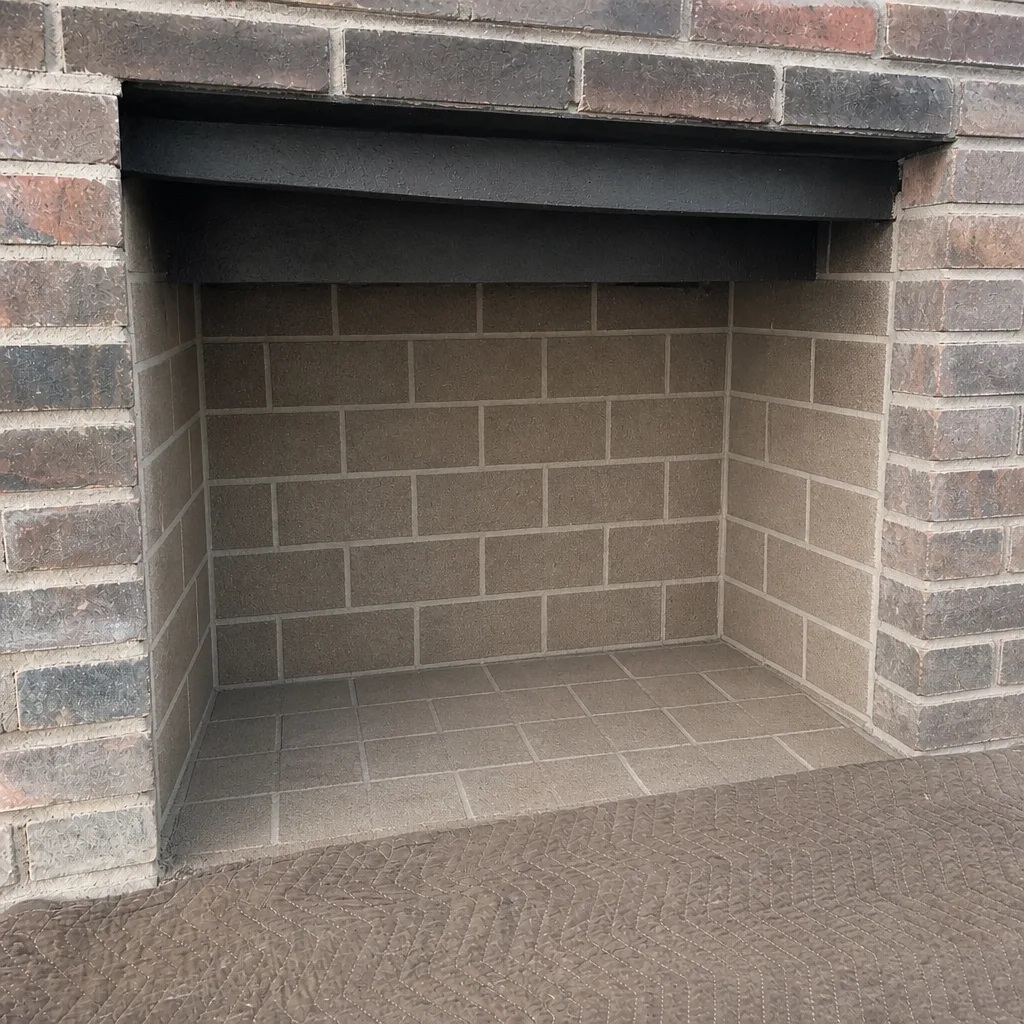
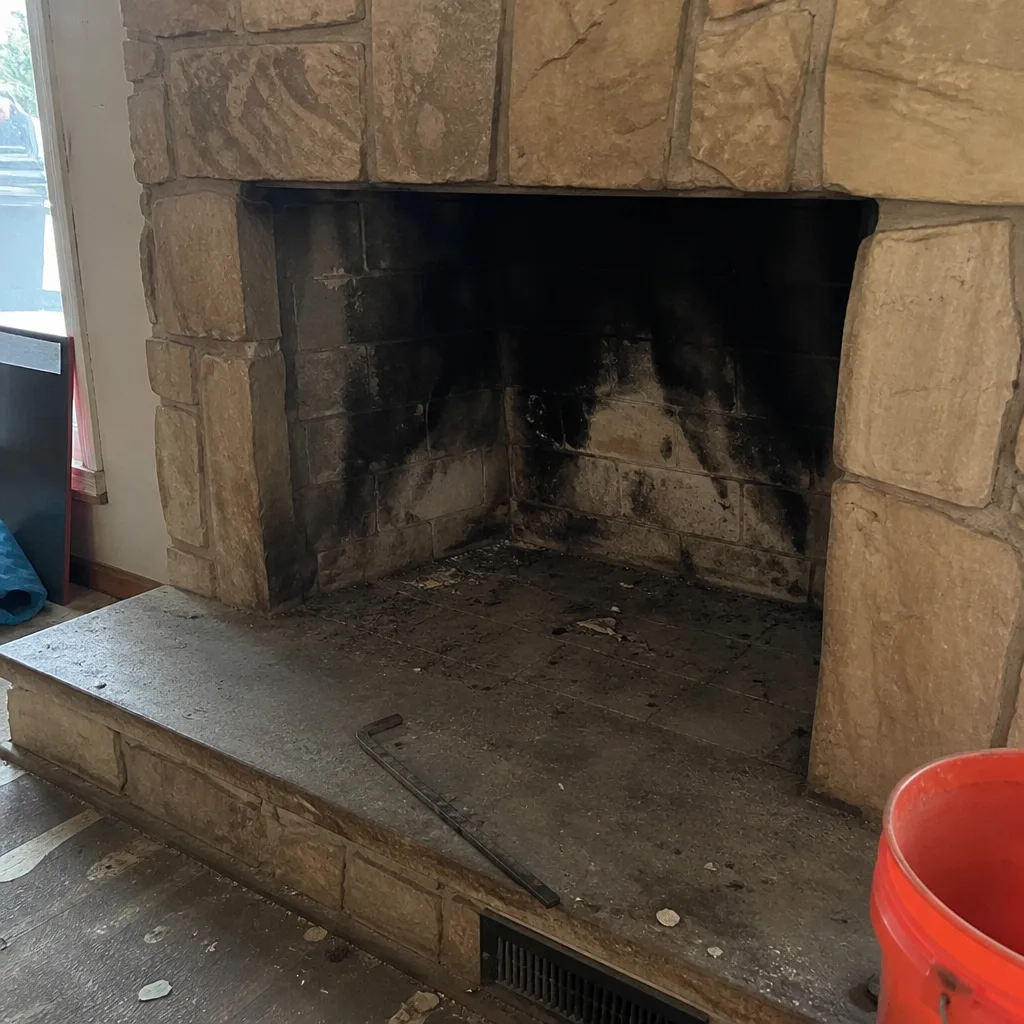
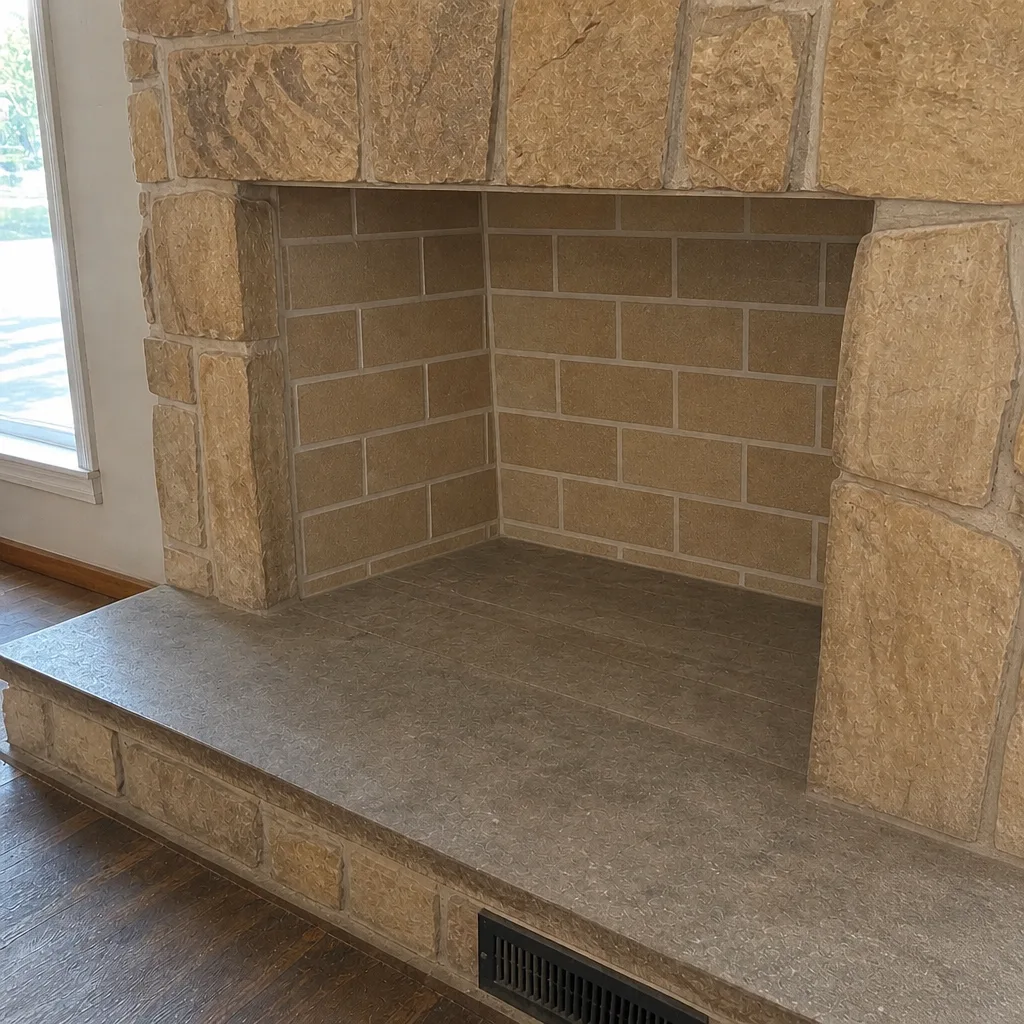
See the difference
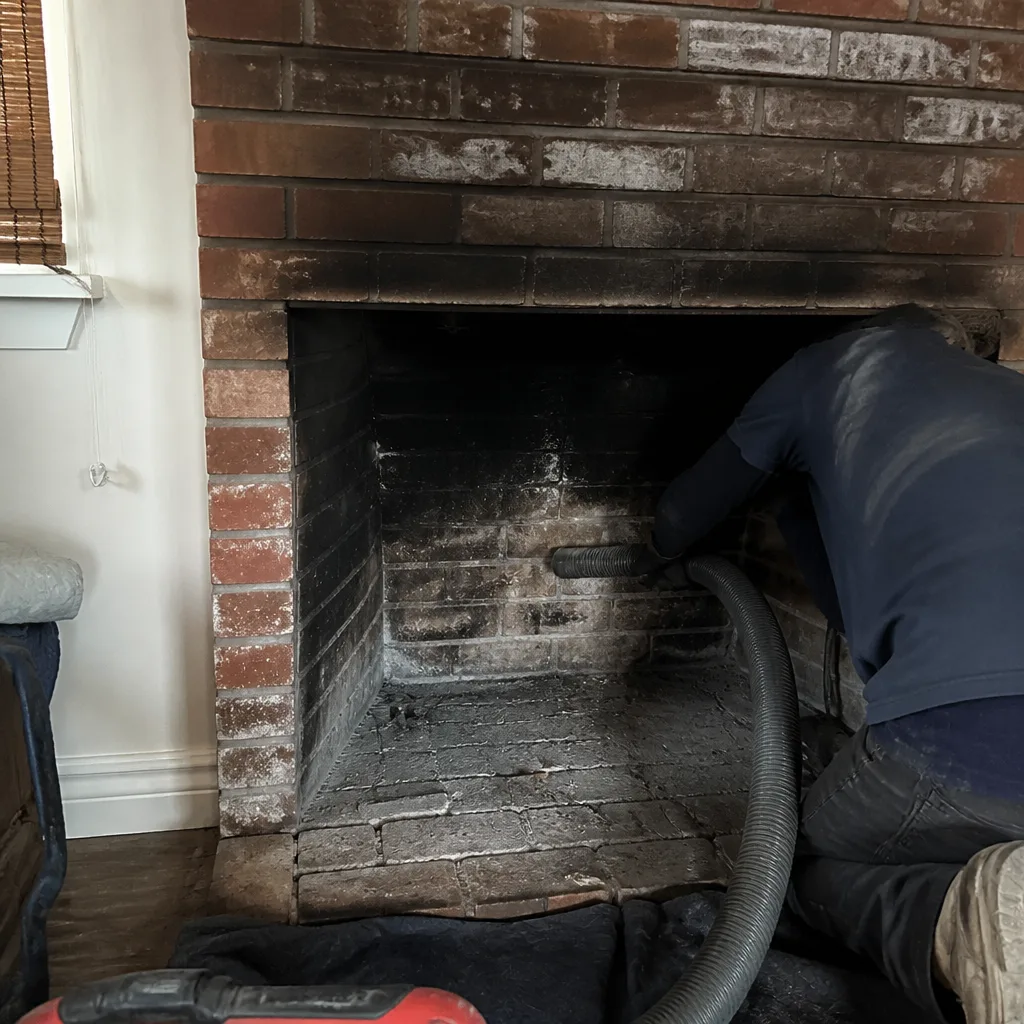 Before
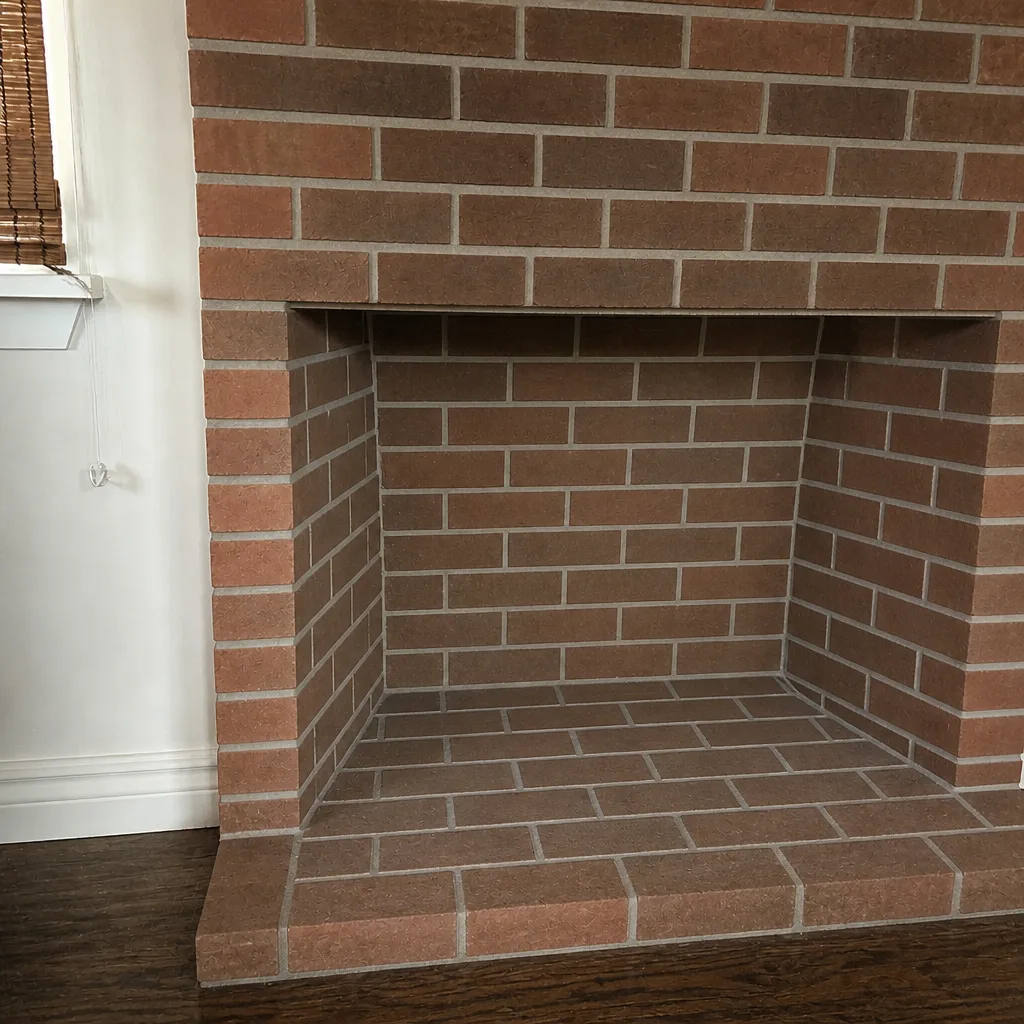 After
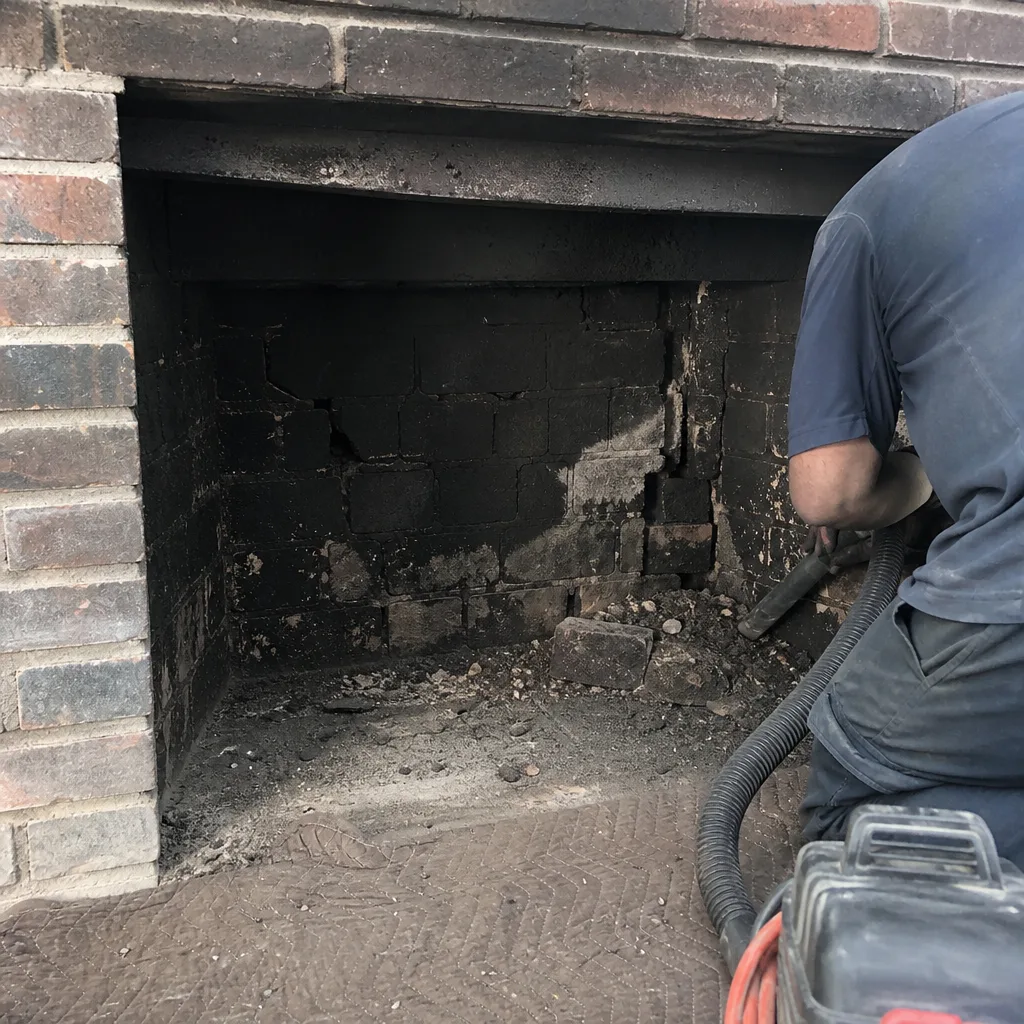 Before
 After
 Before
 After
When to Call a Professional
Some chimney issues are safe to note and watch. Others need a trained eye quickly, because a problem that starts small in a flue rarely stays small. Call a professional if you smell smoke in the room when the damper is open, if the chimney shows cracks, spalling, or a cap that’s come loose, if a flue liner looks deteriorated or broken in the fireplace opening, if you have no record of when the chimney was last inspected, or if you’re a landlord in Downtown Santa Ana who needs documented condition for tenant safety. If the chimney has never been inspected and you use the fireplace regularly, start there – a camera inspection and photo report give you the facts before anything is proposed.
Chimney Sweep Downtown Santa Ana offers free estimates in Downtown Santa Ana – call (866) 947-9102. We answer 24/7. Fast dispatch from 7am to 7pm, Sunday through Friday. The written estimate sets the final price, and nothing is recommended without camera evidence you can see for yourself.
Frequently Asked Questions
A chimney sweep is the service. A chimney cleaning company “brand” is the product specification the company applies – the manufacturers behind the materials used for repairs, liners, caps, and resurfacing. The distinction that predicts repair longevity is which professional-grade products a contractor specifies, not which company has the best logo. Ask any Downtown Santa Ana contractor what they’d use on your smoke chamber and see if they name a manufacturer.
A sweep is priced per job by a written estimate, and the estimate itself is free. In our experience, the number depends on the flue condition, the number of flues, and what the sweep uncovers rather than a flat company rate. Call (866) 947-9102 for an exact quote – estimates are free.
Not always. HeatShield liner restoration can extend the life of an aging flue in the right conditions and often costs less than a full reline. A full DuraFlex flexible liner is the right answer when the existing liner is too far gone or irregular. The camera inspection is what decides which applies – and if the footage shows the flue can wait, we’ll tell you that.
Because exterior components – caps, top plates, and the terminal end of the liner – see the weather directly, and 316 stainless resists chloride-driven corrosion better than 304. In a mild but coastal-influenced climate, 316 is the safer specification for the most exposed parts. Ask which grade is in the bid and why.
Sweep based on use, not the calendar. A fireplace used regularly through the heating season typically needs an annual sweep and inspection, while light use can stretch the interval. In Downtown Santa Ana, older homes often need the inspection as much as the sweep, because the inspection is what documents condition. Call (866) 947-9102 to schedule a sweep and inspection together.
Creosote accumulates inside the flue with continued fireplace use, and it’s the primary fuel for chimney fires. Cracks and deterioration in the flue can also go unnoticed until the next inspection. The risk is real, but the fix is usually straightforward when it’s caught early. Call (866) 947-9102 for an inspection before the heating season, and you’ll know exactly what condition your chimney is in.
The Bottom Line
The chimney cleaning brand you choose isn’t about the logo on the invoice. It’s about the materials inside your chimney and whether those materials come from professional chimney manufacturers or from a shelf at a hardware store. HeatShield for resurfacing. DuraFlex for flexible liners. Gelco and Olympia Chimney for caps and venting. The grade of stainless under the cap. Together, those names tell you whether a repair will last in the climate and housing stock of Downtown Santa Ana, and whether the contractor touching your flue is diagnosing or guessing. You’ve got the questions now. Use them on every bid, including ours, and the right choice will make itself clear.
If you’d like a free estimate in Downtown Santa Ana, call (866) 947-9102. We answer 24/7. Fast dispatch from 7am to 7pm, Sunday through Friday. A sweep, an inspection, a cap, or a repair – one call covers the full chimney system, and the written estimate sets the final price.
Written by the team at Chimney Sweep Downtown Santa Ana.