
Last updated November 25, 2026
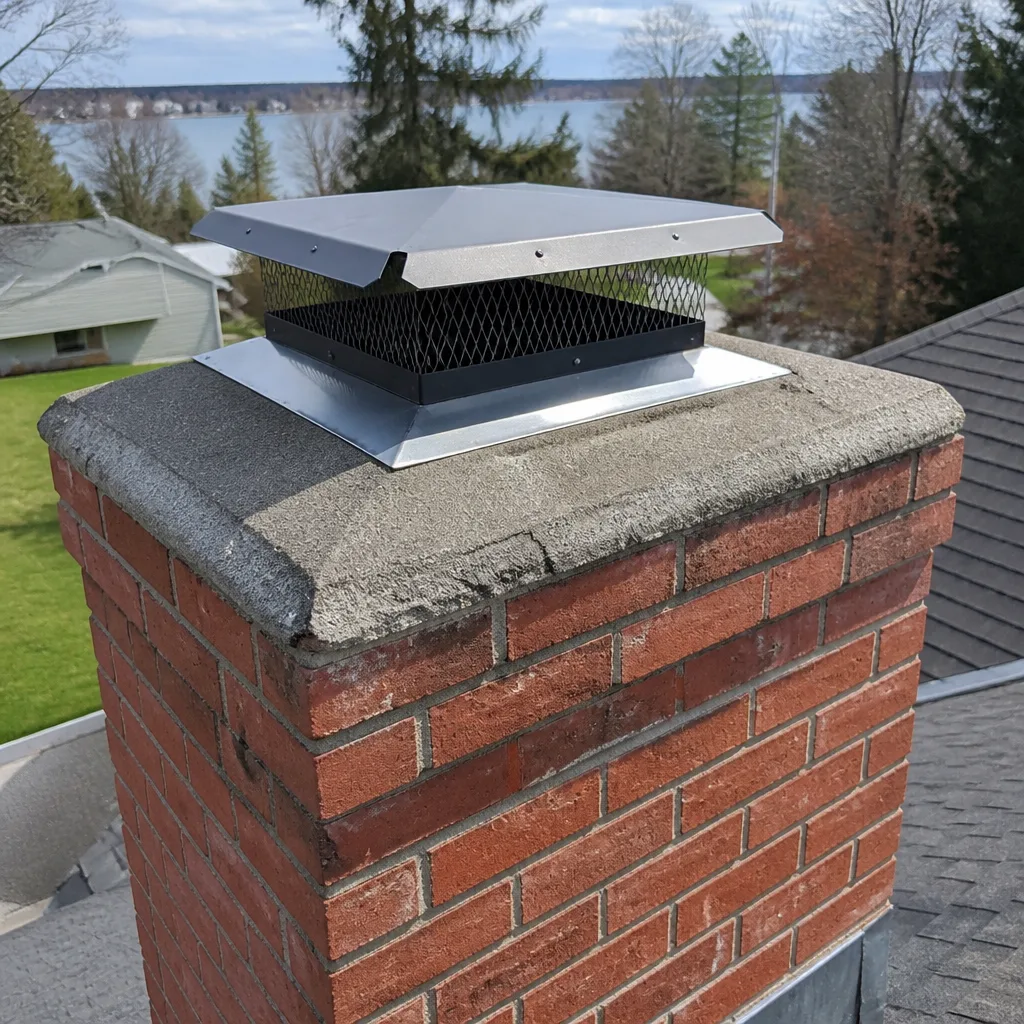 Sweep & inspection
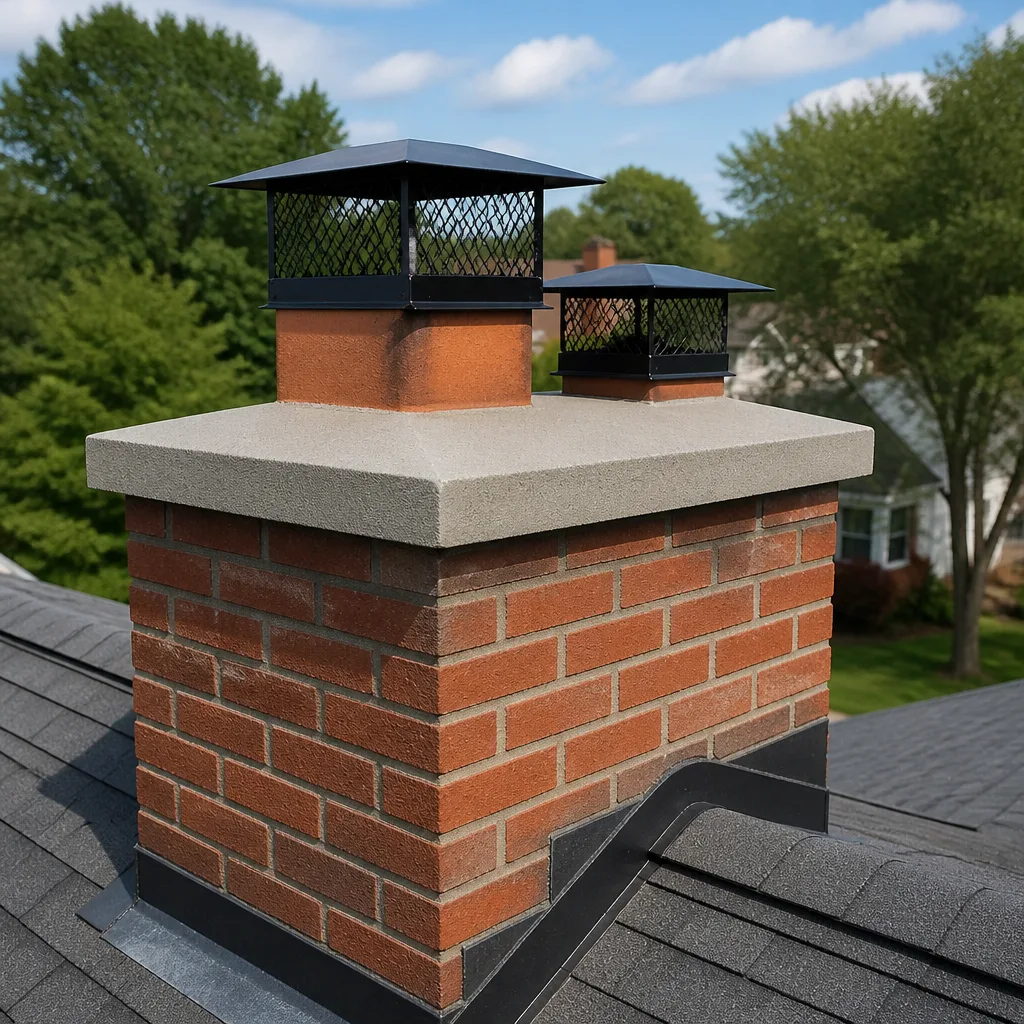 Caps & crowns
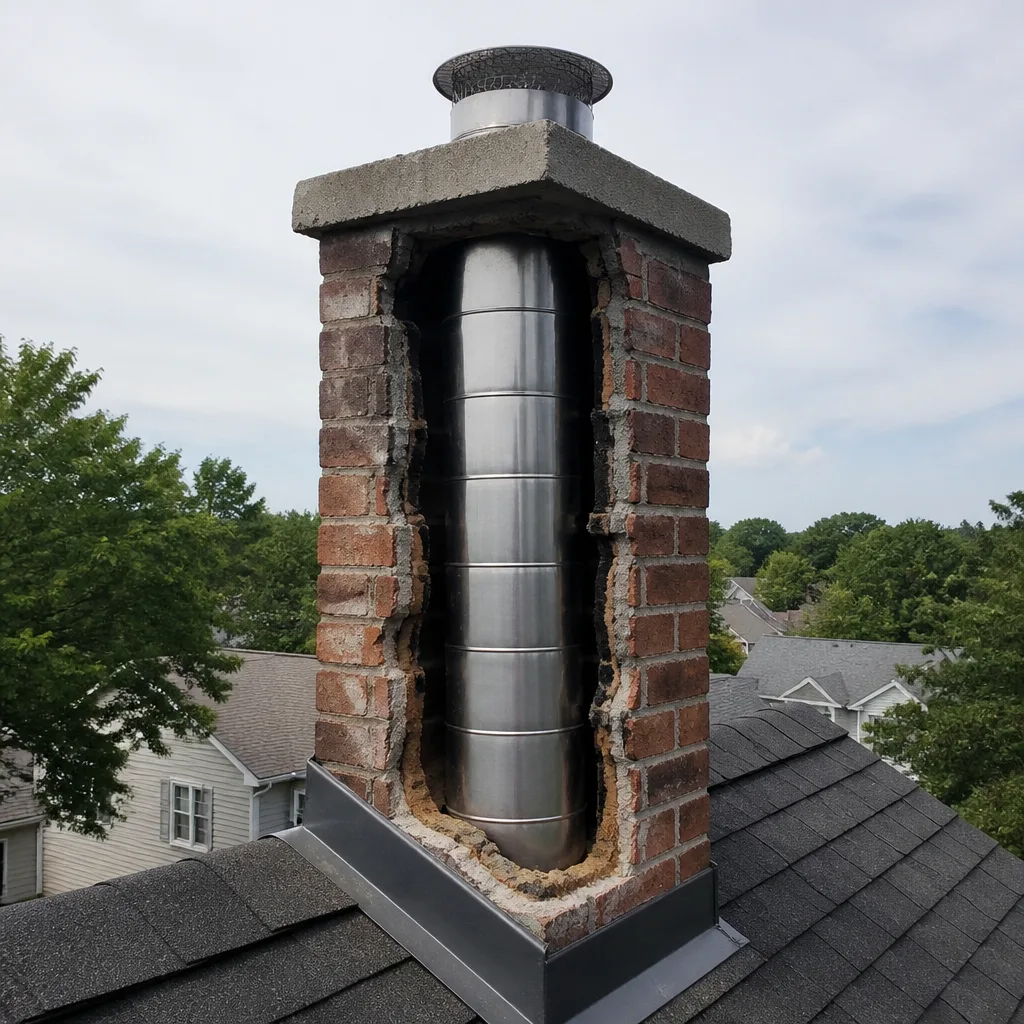 Flue relining
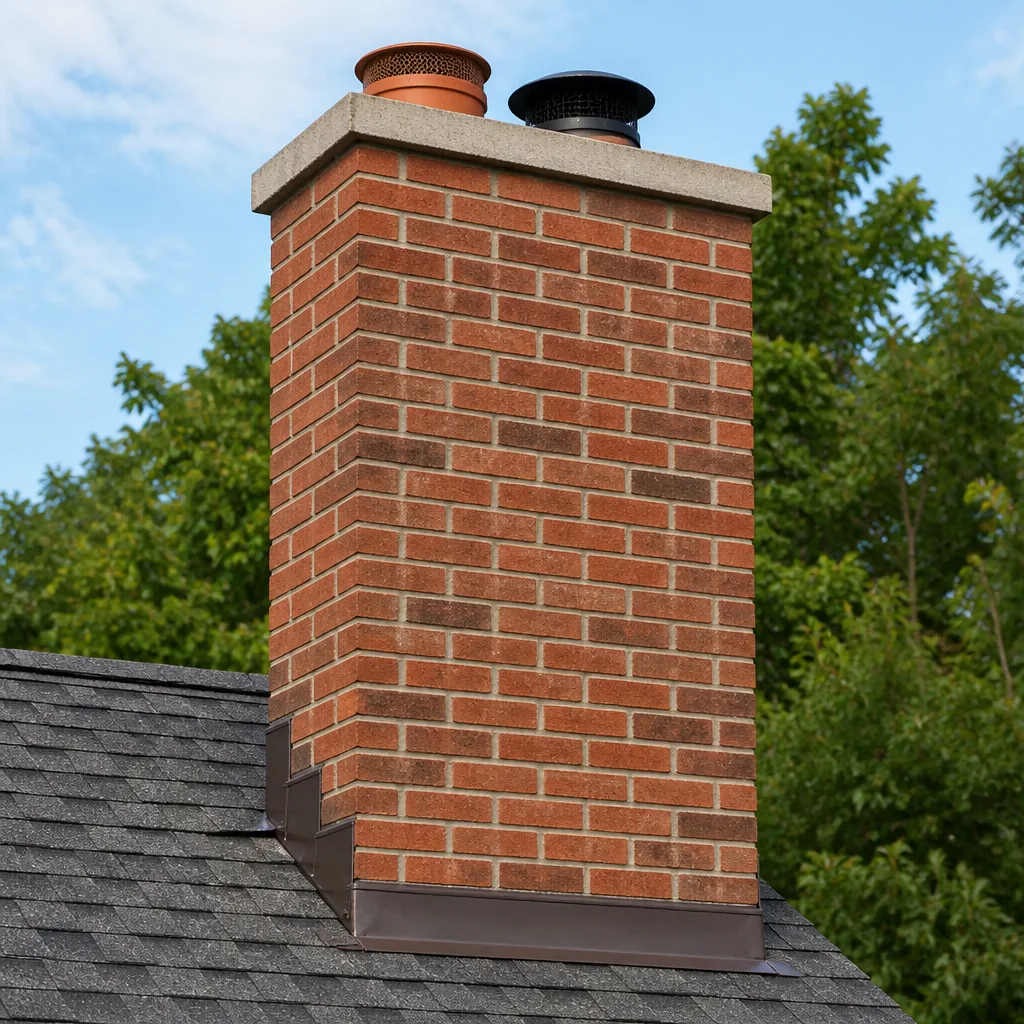 Masonry repair
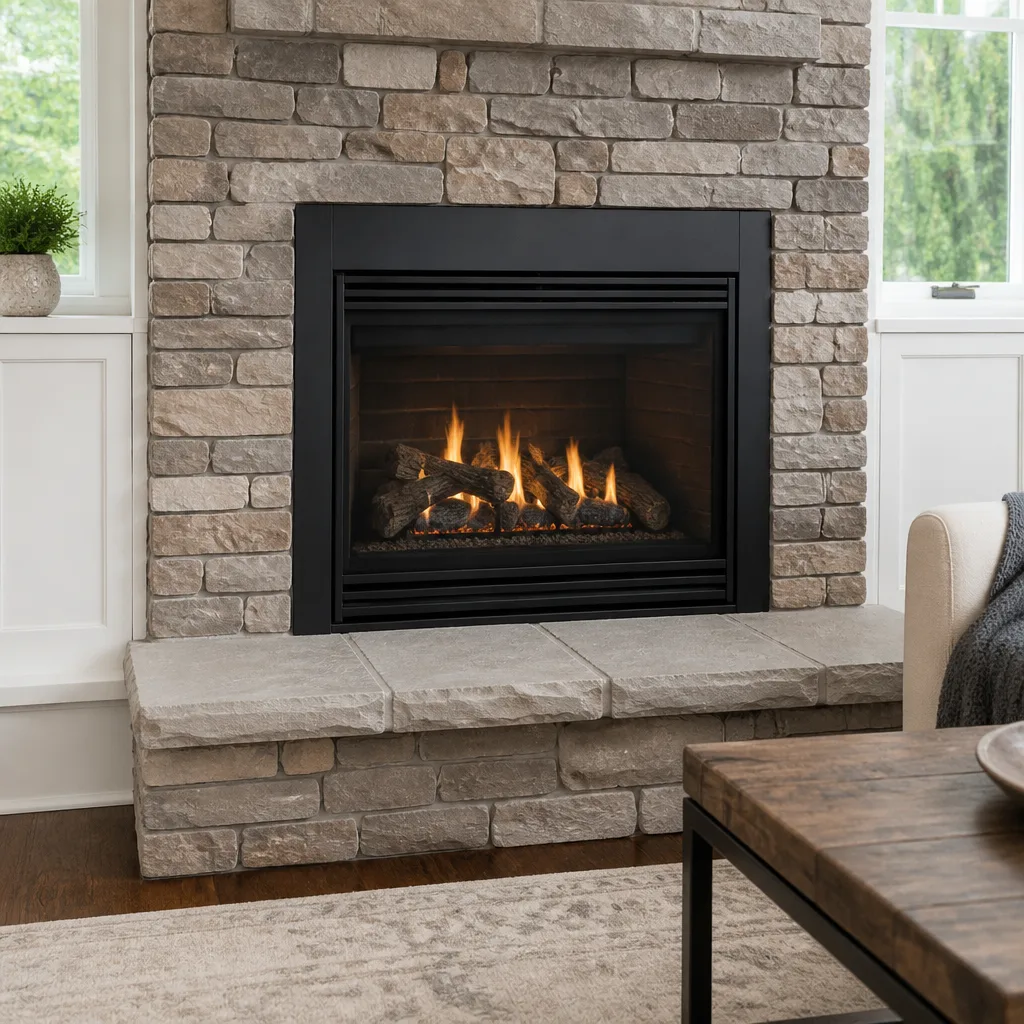 Gas fireplace service
Level 1 sweep and inspection to the NFPA 211 annual standard - flue, crown, cap, and flashing checked and photographed
Chimney sweep logs do not sweep chimneys. They loosen some creosote - which then falls where a brush and vacuum still have to collect it.
Chimney Cleaning Warning Signs: A Downtown Santa Ana Homeowner’s Reference Guide
A white stain on the exterior brick face isn’t a cosmetic issue. It’s efflorescence, and it means water is moving through the masonry because the crown, cap, or flashing above it has already failed somewhere. That’s the part most homeowners miss: the warning signs that really matter aren’t always the ones you can see from the couch. Some live inside the firebox, some only appear on the part of the chimney you never look at. This guide pairs each warning sign with where to look and what it actually signals about the structure, written for the older housing stock and seismic reality of Downtown Santa Ana.
Quick Answer
The most reliable chimney cleaning warning signs are smoke rolling back into the room, black staining above the firebox, a damper that won’t seal, white efflorescence or crumbling mortar on the brick face, a cracked crown, a rusted or missing cap, and any musty or asphalt-like smell coming from the fireplace. Any of the first group means stop and get an assessment; the exterior and odor signs mean book service soon. In Downtown Santa Ana, seismic movement and years of thermal cycling make crown and mortar cracks worth checking more often than in stable ground.
Styles & brands we work with
- Sweep & inspection
- Caps & crowns
- Flue relining
- Masonry repair
- Gas fireplace service
Table of Contents
- Why Warning Signs Come in Two Kinds
- Interior Warning Signs and What They Mean Structurally
- Exterior Warning Signs: Where to Look and What to Read
- Odor-Based Warnings You Should Never Ignore
- Stop Using the Fireplace Immediately vs. Monitor With Urgency
- How Downtown Santa Ana’s Seismic History Raises the Stakes
- What a Professional Sweep Actually Involves
- The Maintenance Rhythm That Prevents Most of These Signs
Why Warning Signs Come in Two Kinds
Chimney problems split cleanly into two groups: what you can observe from inside the house and what only shows on the exterior or inside the flue. That split matters because homeowners tend to watch one and ignore the other. The interior signs are about draft, combustion, and the firebox face. The exterior signs are about water, masonry, and the chimney’s structural shell. A chimney can look perfect from the living room and be quietly failing on the roof.
This is why any honest assessment of the full chimney system looks at both ends. In our experience, the interior signs tell you how the fireplace is behaving right now. The exterior signs tell you how long the chimney will last. You need both to decide whether the answer is a sweep, a repair, or a wait-and-watch.
Think of it as two different questions. Inside, you’re asking: is this fireplace drafting safely and burning cleanly? Outside, you’re asking: is this chimney still a sound, watertight structure? A homeowner in Downtown Santa Ana can answer the first question with their own eyes and nose. The second one usually needs a climb onto the roof or a look down the flue with a camera.
We’ll walk through each category, what the sign physically means, and whether it’s a stop-now signal or a book-service-soon signal. The point isn’t to alarm you. It’s to give you the same vocabulary a technician uses, so you can tell the difference between a cosmetic mark and a structural message.
Interior Warning Signs and What They Mean Structurally
Interior warning signs are the ones you notice in daily use, and each has a specific structural cause. Smoke backdraft means a draft or liner problem. Black staining above the firebox means incomplete combustion. A damper that won’t seal means you’re leaking heat and moisture up the flue year-round. These aren’t cosmetic. Each points to a real mechanical issue inside the system.
Smoke rolling back into the room. If smoke spills into the living space when you light a fire, the chimney isn’t pulling. That can come from a blocked or partially collapsed flue, a liner that’s too large for the firebox, negative pressure in the house, or heavy creosote narrowing the passage. Smoke you can see is a sign of a draft problem you can’t fully see. It’s a stop-and-assess sign.
Black staining above the firebox opening. A dark smear creeping up the face of the brick or stone above the opening is a combustion signature. It usually means the fireplace is starving for air or the flue isn’t evacuating smoke cleanly. Left alone, incomplete combustion also builds creosote faster. If you see this staining, the firebox deserves a close look.
A damper that won’t seal. The damper is a metal plate that closes the flue when the fireplace is cold. When it warps, sticks open, or rusts in place, warm air escapes up the chimney in winter and humid air drifts down in summer. That moisture feeds the creosote and masonry problems we’ll cover next. A damper that won’t seat is a small repair that prevents larger ones.
Creosote buildup you can see. If the flue walls look glazed and shiny when you shine a light up, that’s heavy creosote. It’s the fuel for chimney fires. We don’t recommend poking at it or burning it out yourself. Say it plainly to a technician and let the camera confirm how thick it runs.
Exterior Warning Signs: Where to Look and What to Read
Exterior warning signs are the ones most homeowners never see because they require looking at the roof and the brick face. White efflorescence means water is passing through the masonry. Crumbling mortar joints mean the brick is losing its binding. A cracked crown or a rusted cap means the top of the system is no longer shedding water and debris. These signs read as structural, not cosmetic.
Here’s how each one translates:
- Efflorescence (white staining on brick). Water moves through the masonry, dissolves salts inside, and deposits them on the surface as it evaporates. It’s proof that moisture is entering somewhere above.
- Spalling mortar joints. When mortar crumbles or falls out between bricks, the joints are no longer holding the wall tight. Small pieces on the roof are an early sign.
- A cracked or missing crown section. The crown is the concrete cap at the very top that sheds water away from the brick. When it cracks, water runs straight down into the chimney.
- A rusted or missing cap. The cap keeps rain, birds, and debris out of the flue. A rusted cap is a common upstream cause of everything else on this list.
- Flashing pulling away from the roof. The metal where the chimney meets the roof line should sit tight. Gaps there mean water is getting into the roof deck, not just the chimney.
In Downtown Santa Ana, the older brick and stucco construction around the downtown core means crowns and mortar joints have already been through decades of heating and cooling. When we look at a chimney, we look at the top first, because the crown and cap are where most water intrusion starts. Get those right and half the interior problems resolve themselves.
Odor-Based Warnings You Should Never Ignore
Odor-based warnings are some of the most reliable early indicators, and they’re easy to dismiss. A musty smell means moisture is sitting in the flue. An asphalt-like smell in summer means heavy creosote is being activated by heat. A burning smell with no fire means there’s an ember or debris ignition risk. If you smell any of these three, the fireplace is telling you something.
The musty smell. A damp, cellar-like odor drifting from the fireplace, especially on humid days, points to moisture in the flue. That moisture could be coming from a failed crown, a missing cap, or a leaking flashing. It’s what feeds the efflorescence you read about on the brick face. Musty means wet, and wet masonry decays.
The asphalt smell in summer. When the outside air heats up a chimney holding heavy creosote, that creosote can release a tarry, asphalt-like odor. It’s the smell of a flue that has more buildup than it should, and the warm season is when it announces itself. This is a book-service-soon sign.
The burning smell with no fire. If you smell smoke or burning with the fireplace cold, that’s a warning to stop using it and get it checked. It may mean an ember has lodged somewhere, or debris has ignited. Don’t test it by lighting a fire to see. Treat it as a stop signal and get a professional assessment.
Treat your nose as one more diagnostic tool. In Downtown Santa Ana’s warm, dry stretches, the summer odor is the one people notice most, and it’s usually the first hint that a sweep is overdue.
Stop Using the Fireplace Immediately vs. Monitor With Urgency
Some warning signs mean stop using the fireplace today. Others mean keep using it but book service now and watch the sign. Knowing which is which protects you from both unnecessary fear and genuine risk. The rule of thumb: signs of active combustion failure or structural compromise are stop signals. Signs of buildup or weathering are monitor-with-urgency.
Stop using the fireplace immediately if you see:
- Smoke rolling back into the room every time you light a fire.
- A burning or smoky smell with no fire and a cold firebox.
- Visible cracks through the flue tile or a liner that looks broken.
- A crown cracked through, or a chimney that visibly leans or has loose brick.
- Glazed, shiny creosote on the flue walls that you can clearly see.
- Any sign of water actively dripping down the inside of the flue.
Monitor with urgency, book service soon, if you see:
- Black staining above the firebox opening.
- A damper that won’t fully close.
- White efflorescence on the brick face, or small mortar crumbs on the roof.
- A rusted cap or damaged screen.
- A musty or asphalt-like smell.
The stop list is about what could cause a chimney fire or carbon monoxide problem right now. The monitor list is about the slow decay that makes the stop list more likely if ignored. We won’t tell you something is urgent when it can safely wait. But we will tell you clearly when the camera says it can’t. Nothing gets recommended without evidence you can see for yourself, and any honest assessment of the full chimney system shows you the photos.
How Downtown Santa Ana’s Seismic History Raises the Stakes
Living in a region with real earthquake history changes how much a small chimney crack matters. The ground movement, plus years of thermal cycling from hot days and cool nights, works on the same mortar joints. Small cracks that would be stable in a quiet, non-seismic region can propagate faster here, because every warm-and-cool cycle widens them a little. Crown and mortar inspection is simply more urgent in Downtown Santa Ana than in places where the ground stays still.
What this means in practice:
- A hairline crown crack is worth fixing early here, because the thermal cycling keeps working on it.
- Loose or spalling mortar joints deserve a closer look sooner, because the joints are the chimney’s grip on itself.
- A chimney that looks slightly out of plumb, even by a little, is a sign to have it checked, not watched for years.
- Interior flue tiles that crack under movement can open paths for heat and gases, so they deserve camera inspection.
We can’t predict ground movement. But we can tell you that on a Downtown Santa Ana chimney, a repair that seems optional in a stable region is often worth doing sooner. The alternative is the slow widening of a crack that eventually lets water through or weakens the structure. That’s why an exterior look at the crown, cap, and mortar joints belongs in every routine visit, not just a repair call.
What a Professional Sweep Actually Involves
A professional sweep isn’t one person with a brush. It’s a sequence that ends with documented evidence of the chimney’s condition. The work moves from the firebox up through the flue to the crown and cap, and each step is checked against the signs in this guide. When we sweep a Downtown Santa Ana chimney, here’s the order we work in:
- Protect the room. Drop cloths and a dust barrier go down before any brush enters the firebox, because soot travels.
- Sweep the flue. Brushes clear creosote and soot from the firebox up to the top, with a vacuum running to catch the dust.
- Inspect the inside with a camera. The flue walls, damper, and smoke chamber are checked for cracks, gaps, and buildup you can’t see from the room.
- Check the exterior. The crown, cap, flashing, and mortar joints are examined for the water and decay signs covered above.
- Document what we found. Photos and a clear write-up tell you what’s safe, what isn’t, and what can wait. Nothing gets recommended without evidence you can see.
If the assessment turns up a cracked flue or a failing liner, we’re equipped to handle the repair with professional-grade materials. A chimney sweep in Downtown Santa Ana should always end with a written report, not just a clean firebox. That report is what lets you make a decision on evidence instead of fear.
The repair side covers the whole system. We install DuraFlex flexible liner systems, which are the preferred fix for older or irregular flues, and we apply HeatShield for liner restoration when a flue can be resurfaced instead of fully relined. Capping and crown work use Famco and Gelco components sized to the chimney. One team handles the sweep, the inspection, the repair, and the cap, which means the person who finds a problem isn’t handing it off to someone you never met.
The Maintenance Rhythm That Prevents Most of These Signs
Most of the warning signs in this guide take years to develop, which means regular service catches them while they’re small. The rhythm is straightforward: sweep and inspect on a sensible schedule, look at the exterior yearly, and act on the small signs before they become structural. For a Downtown Santa Ana homeowner burning regularly through the cooler months, an annual check is the standard baseline.
Here’s a maintenance sequence that covers the signs we’ve covered:
- Once a year, sweep and inspect. Clear the creosote and inspect the flue with a camera. This catches the interior signs early.
- Once a year, look at the exterior. Check the crown, cap, flashing, and mortar joints for the water signs. Small fixes here prevent the big ones.
- Between visits, watch and smell. Note smoke backdraft, black staining, damping trouble, and any musty or asphalt odor. Write it down to tell a technician.
- Act on the stop signs right away. If you see one of the stop signals, take it seriously and get it checked.
Call Chimney Sweep Downtown Santa Ana when it’s time to book. The estimate is free, and the written estimate sets the final price per job, so there are no surprises. If the assessment calls for a liner restoration or a flue repair, the same team handles it with DuraFlex and HeatShield materials, and a cap install with Famco or Gelco parts can go on in the same visit.
Regular attention also keeps the small stuff small. A damper repair now beats a liner replacement later. A crown patch today beats a masonry repair in a few years. The rhythm above isn’t busywork; it’s what keeps a Downtown Santa Ana chimney sound through the years of heating and cooling that every flue goes through.
Common Mistakes to Avoid
- Treating white brick staining as cosmetic. Efflorescence is water moving through masonry, so ignoring it lets the source keep working. Find the crown, cap, or flashing that’s leaking.
- Burning a hot fire to “clean out” creosote. Heavy creosote is the fuel for a chimney fire, and a hot fire can ignite it. Let a professional sweep clear it with the proper tools.
- Skipping the exterior look because the fire burns fine. A fireplace can draft perfectly while the crown and mortar are quietly failing. The two problems are separate, and both matter.
- Assuming a rusted cap can wait. A failed cap lets water and debris into the flue, which feeds the moisture and odor problems covered in this guide. Capping is a small job with an outsized effect.
- Ignoring a summer odor. An asphalt-like smell in warm weather is heavy creosote being activated by heat. It’s a book-service-soon sign, not a quirk to live with.
- Letting a small crown crack sit in Downtown Santa Ana. Thermal cycling keeps working on cracks here, so a hairline today is a wider gap later. Fixing early is the smarter move.
- Treating a smoke backdraft as a minor nuisance. Smoke rolling into the room means the chimney isn’t pulling, and that’s a stop signal worth a professional look.
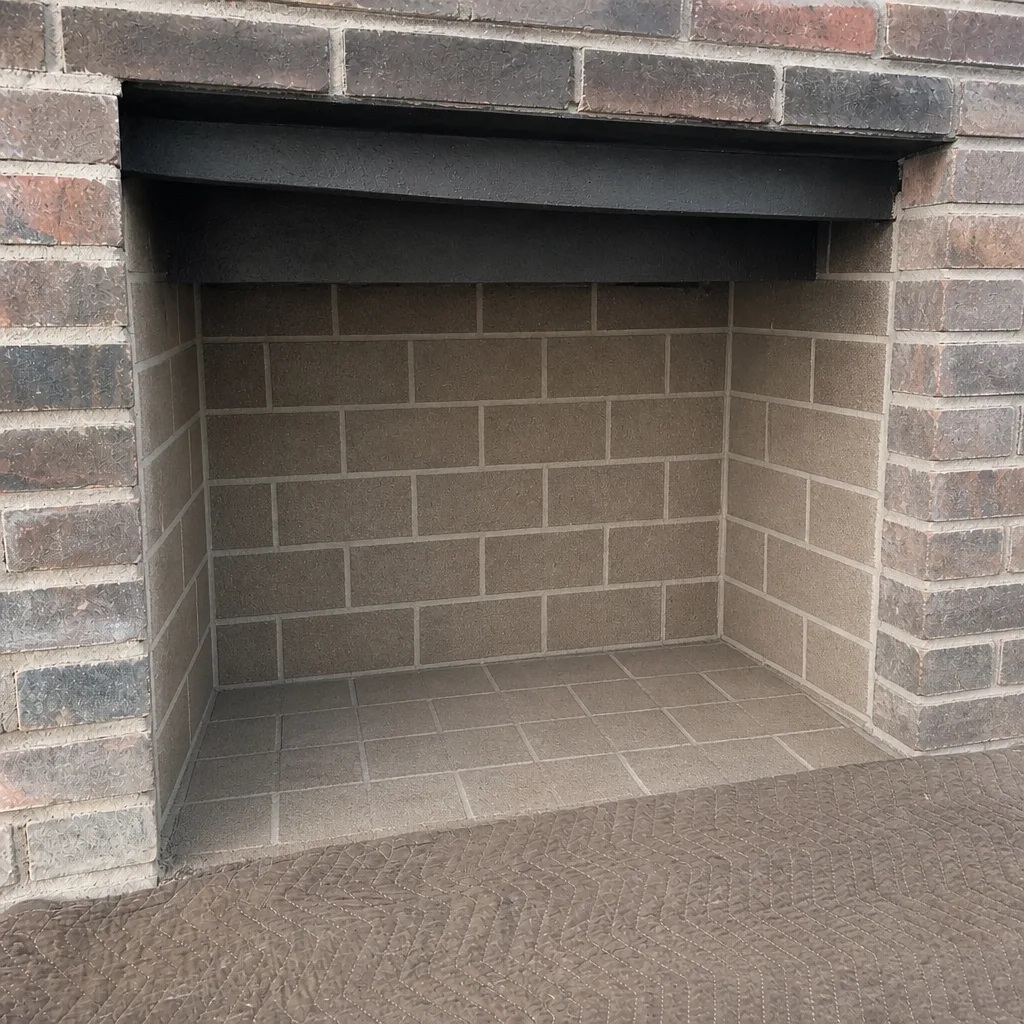
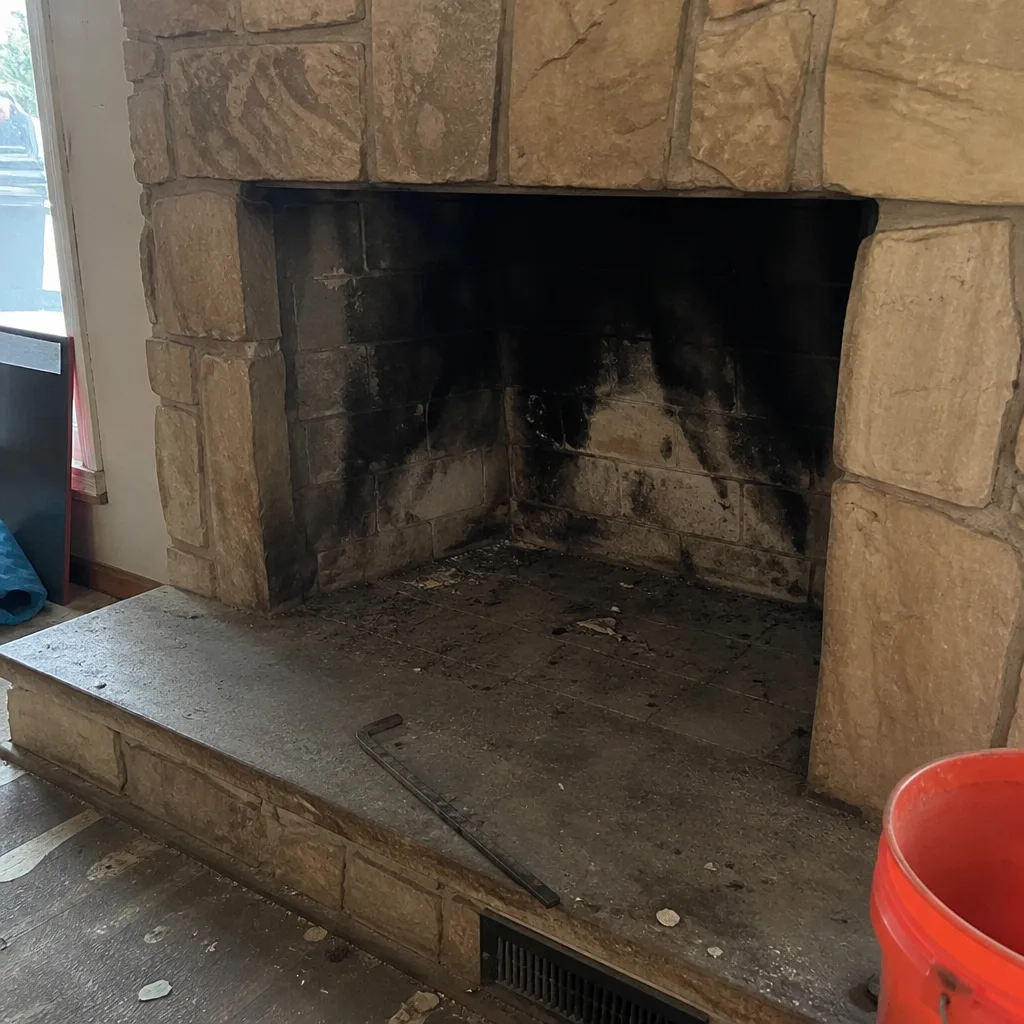
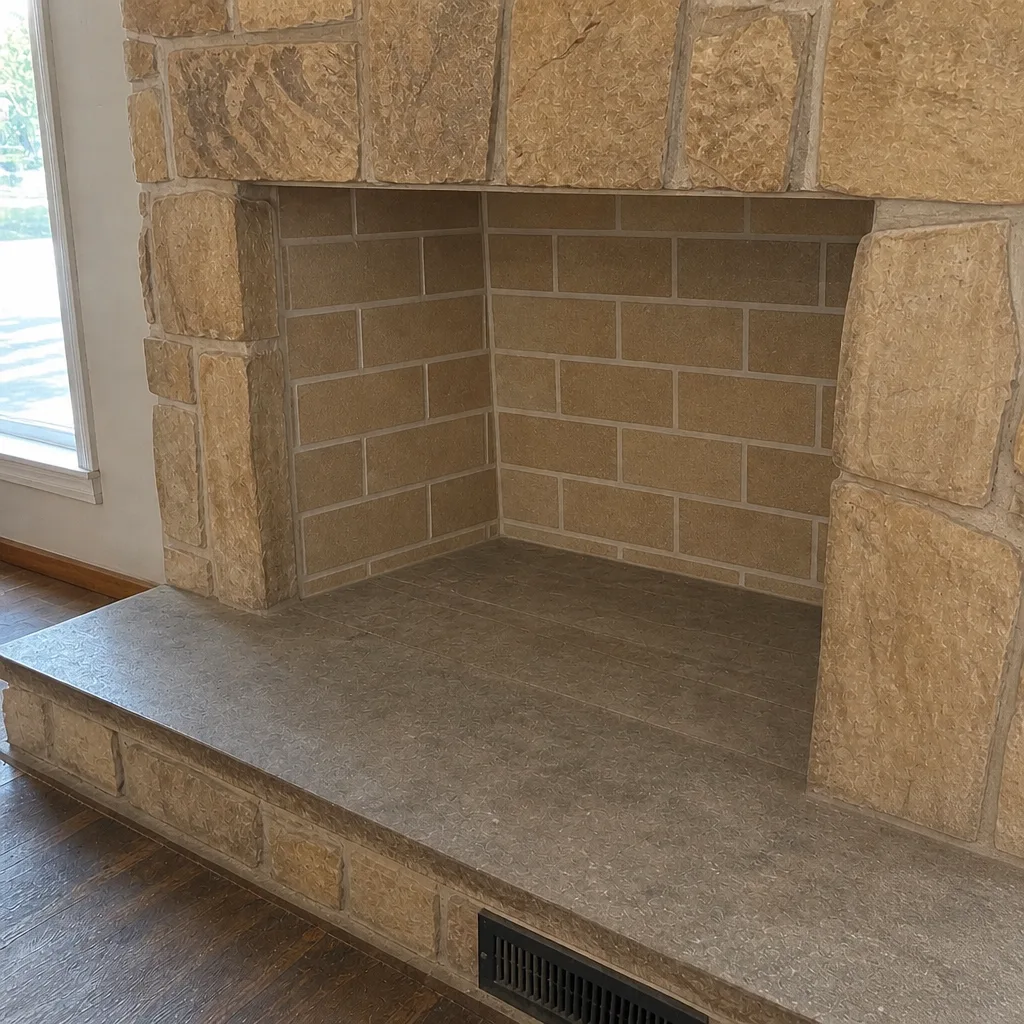
See the difference
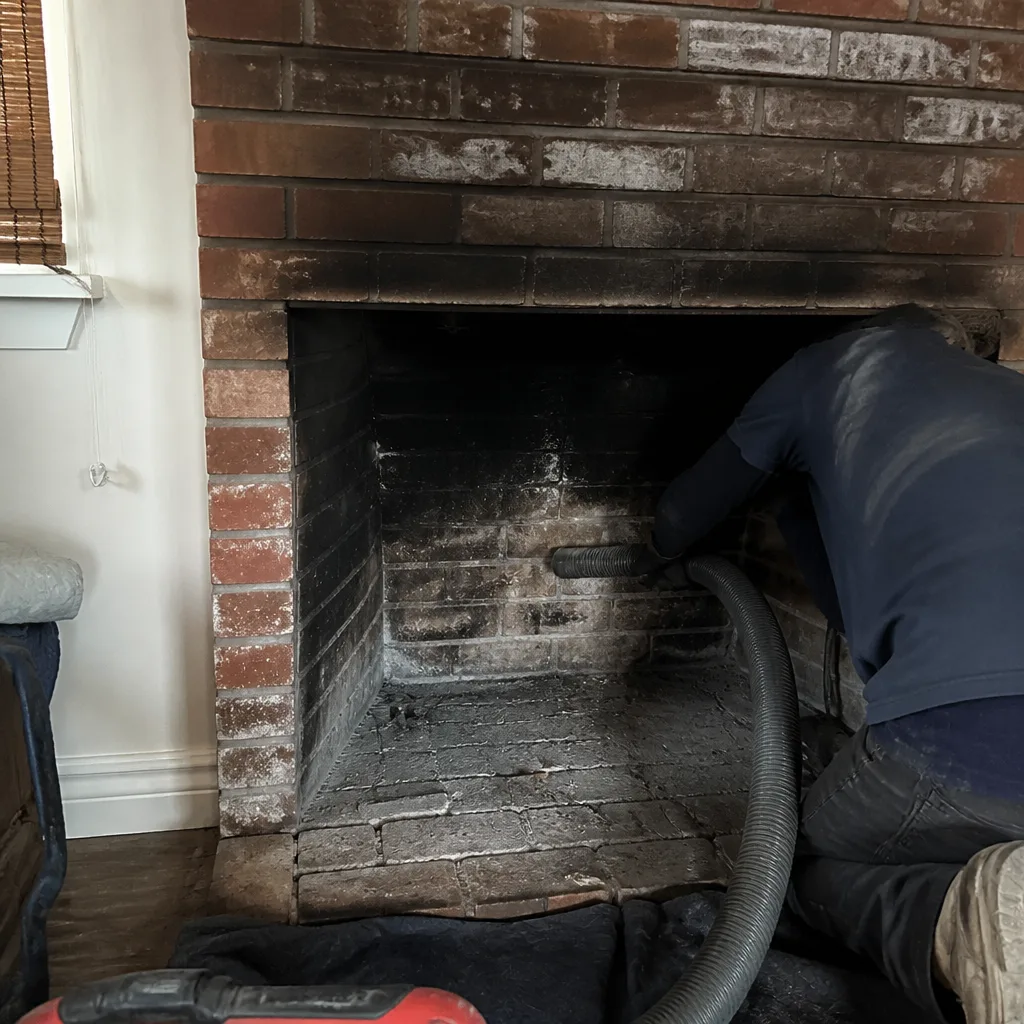 Before
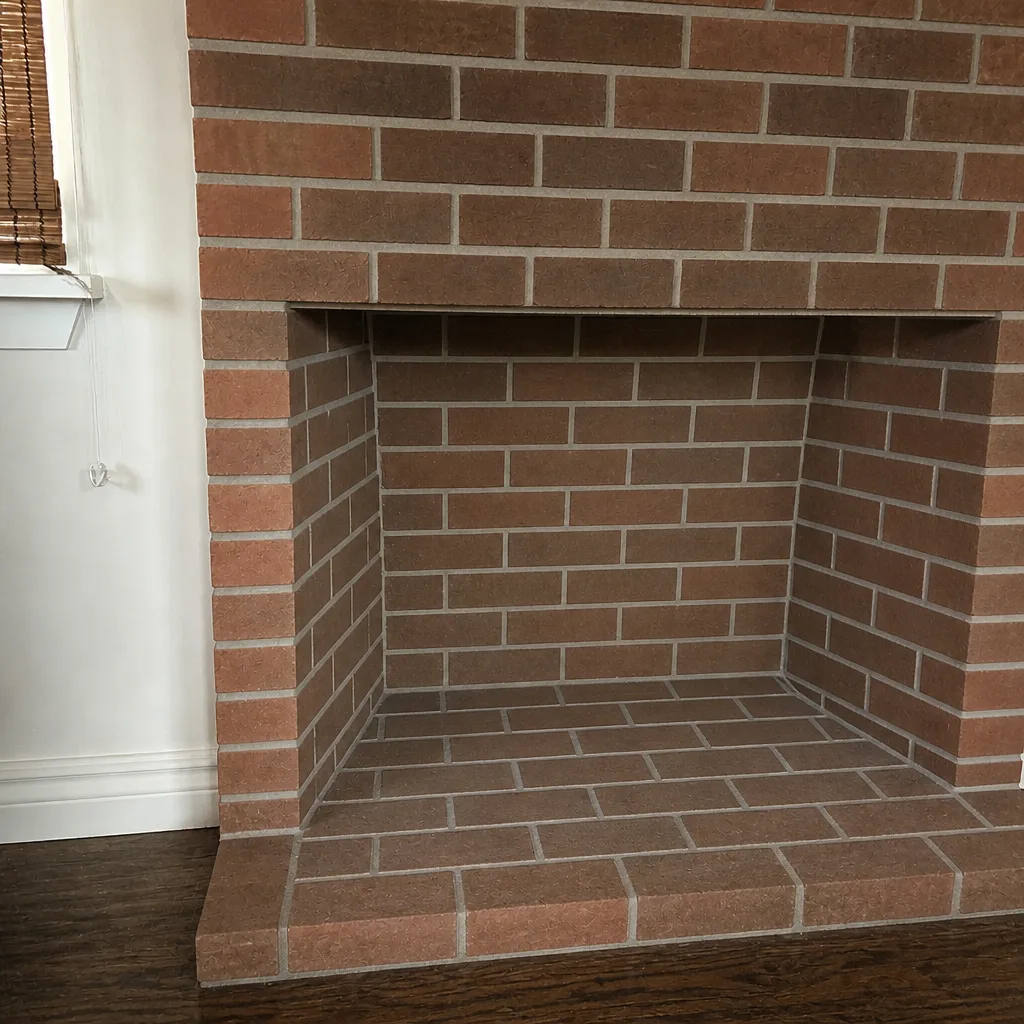 After
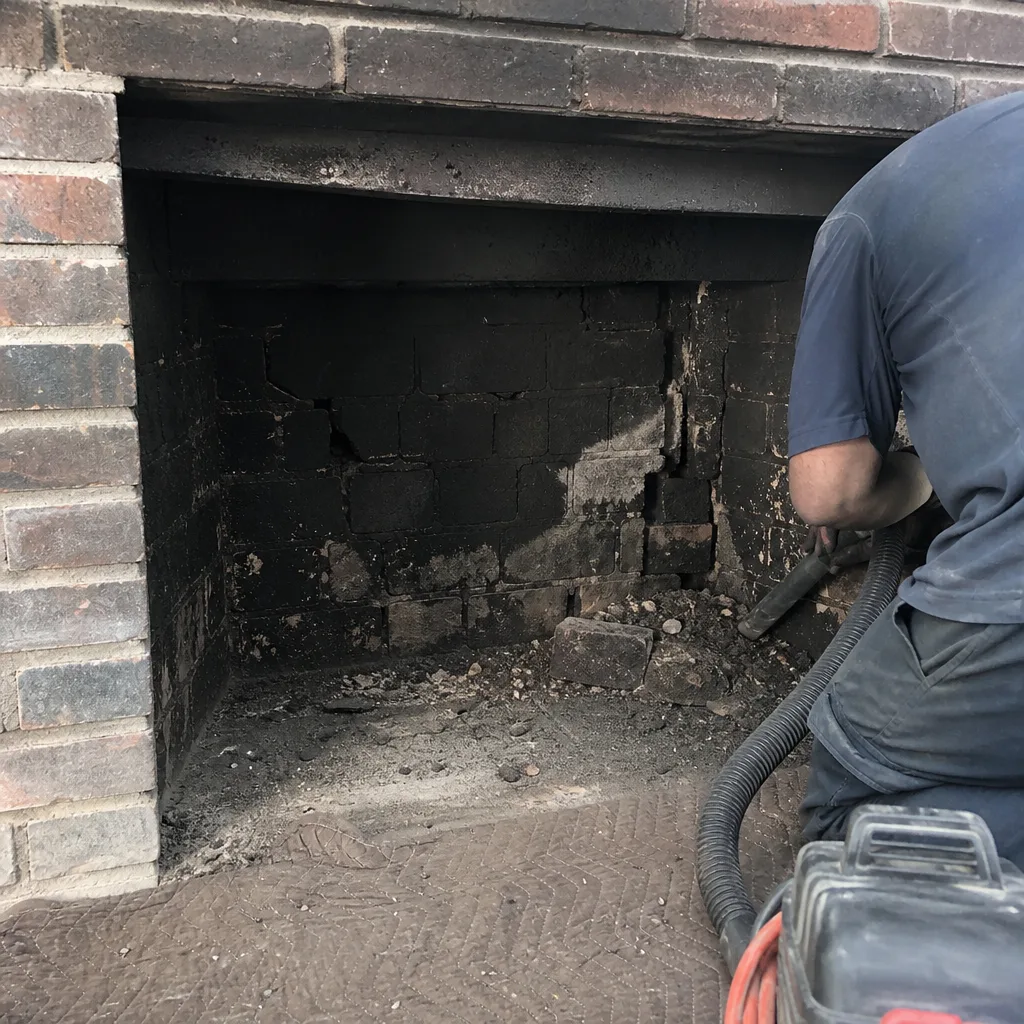 Before
 After
 Before
 After
When to Call a Professional
Call a professional when you see any sign on the stop list, or when you’ve noticed a monitor-list sign and haven’t had the chimney looked at in over a year. Call sooner if a musty or asphalt-like smell appears, or if the exterior shows new efflorescence or crumbling mortar. If you’re a landlord or property manager responsible for tenant safety in Downtown Santa Ana, an annual check gives you documented proof of condition. Chimney Sweep Downtown Santa Ana offers free estimates in Downtown Santa Ana and handles the full chimney system, from sweep to chimney cap & crown work. Our technicians have up to 13 years of experience. Call (866) 947-9102. We answer 24/7. Fast dispatch from 7am to 7pm, Sunday through Friday.
Frequently Asked Questions
The earliest signs are usually black staining above the firebox, a smoky smell when the fireplace is cold, and a musty or asphalt-like odor. Smoke backdraft and a damper that won’t seal are stronger signs that a sweep is overdue. The exterior signs, like white efflorescence or crumbling mortar, often show later. Call (866) 947-9102 for an exact quote; estimates are free.
For a homeowner burning regularly through the cooler months, once a year is the sensible baseline. A fireplace used heavily may need a sweep sooner, and a lightly used one can sometimes go longer. The only way to know for certain is to have the flue inspected. In Downtown Santa Ana, the annual check also catches the crown and mortar issues that seismic movement and thermal cycling make more likely.
A white stain on the exterior brick is efflorescence, and it means water is moving through the masonry and depositing salts on the surface as it evaporates. The source is usually a failed crown, cap, or flashing above it. It’s a water-intrusion sign, not a cosmetic one. Call (866) 947-9102 for an exact quote; estimates are free.
Black staining is a monitor-with-urgency sign, not an immediate stop sign, so you can keep using the fireplace but should book an assessment soon. The staining means incomplete combustion, which also builds creosote faster. If you also see smoke rolling into the room, stop using it and get a professional look. Call (866) 947-9102 to book a visit.
An asphalt-like smell in summer means heavy creosote in the flue is being activated by the heat, and it’s a sign the flue needs attention. It’s one of the more reliable early warnings, and it’s easy to dismiss as a warm-weather quirk. Book a sweep and inspection rather than waiting for a later problem. Call (866) 947-9102 for an exact quote; estimates are free.
Small crown and mortar cracks matter more here because the region’s earthquake history plus thermal cycling keeps working on the same joints, so cracks can widen faster than in a stable region. A hairline crown crack that might be watched for years elsewhere is worth fixing early in Downtown Santa Ana. Our technicians check the crown, mortar, and flue tiles as part of a routine visit, and fireplace repair is handled by the same team.
The Bottom Line
Chimney cleaning warning signs split into two groups: what you can see and smell inside the house, and what only shows on the exterior or inside the flue. Interior signs like smoke backdraft, black staining, and damper trouble point to draft and combustion problems. Exterior signs like efflorescence, spalling mortar, a cracked crown, and a rusted cap point to water and structural decay. Odor warnings are just as important, from musty moisture smells to an asphalt-like summer smell to a burning smell with no fire. In Downtown Santa Ana, seismic history and thermal cycling make crown and mortar inspection more urgent. When you see a sign, don’t ignore it and don’t panic. Get it looked at, with documentation you can see.
Ready to have your chimney checked? Call (866) 947-9102 for a free estimate. We answer 24/7. Fast dispatch from 7am to 7pm, Sunday through Friday. We handle the full chimney system, from sweep and inspection to repair and cap work, so you get one honest assessment and one team for the job.
Written by the team at Chimney Sweep Downtown Santa Ana.