
Last updated November 25, 2026
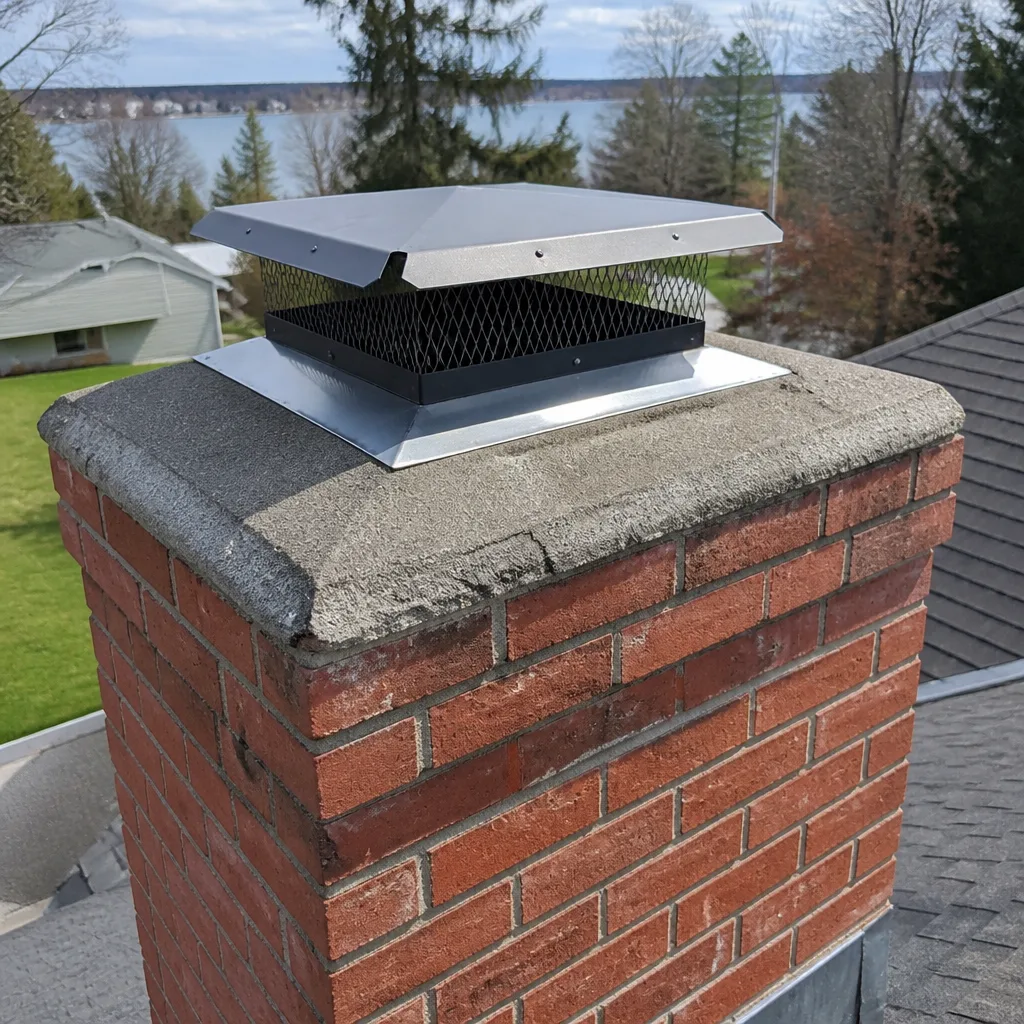 Sweep & inspection
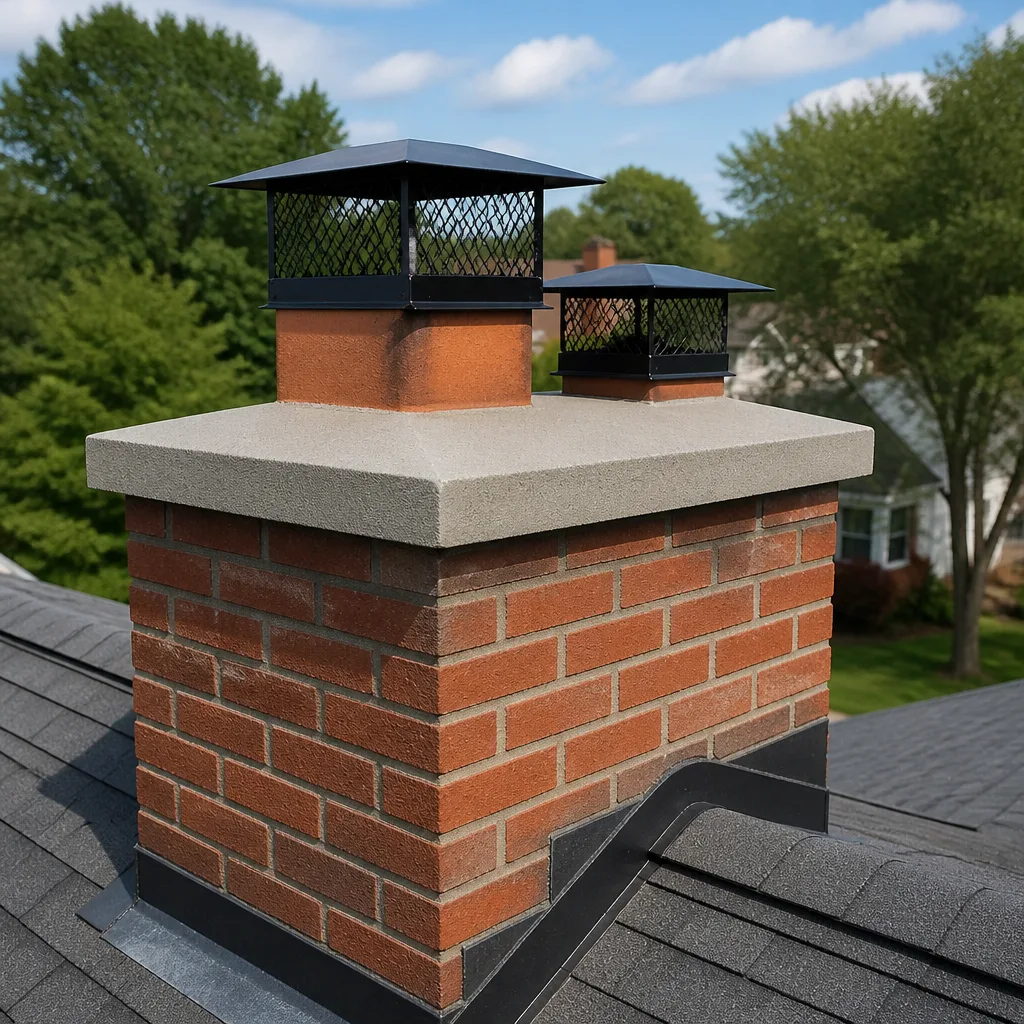 Caps & crowns
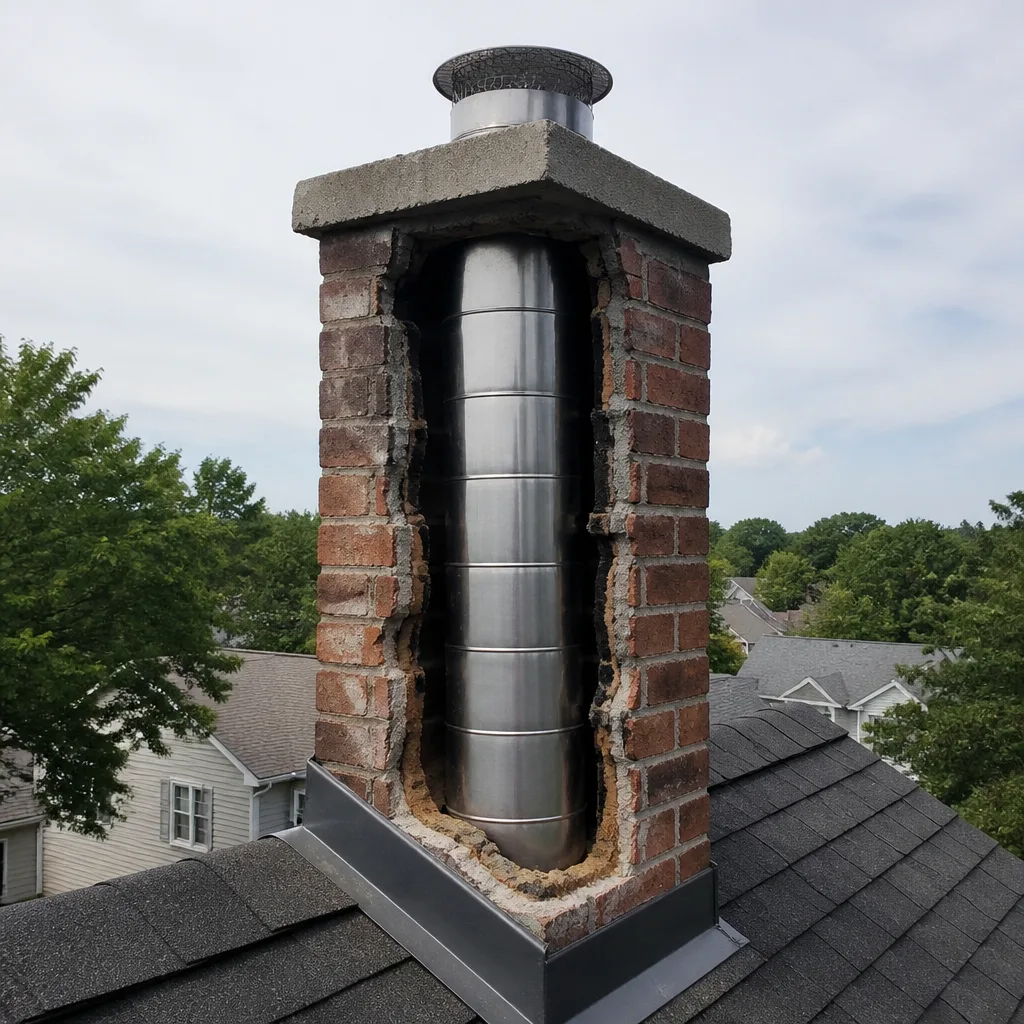 Flue relining
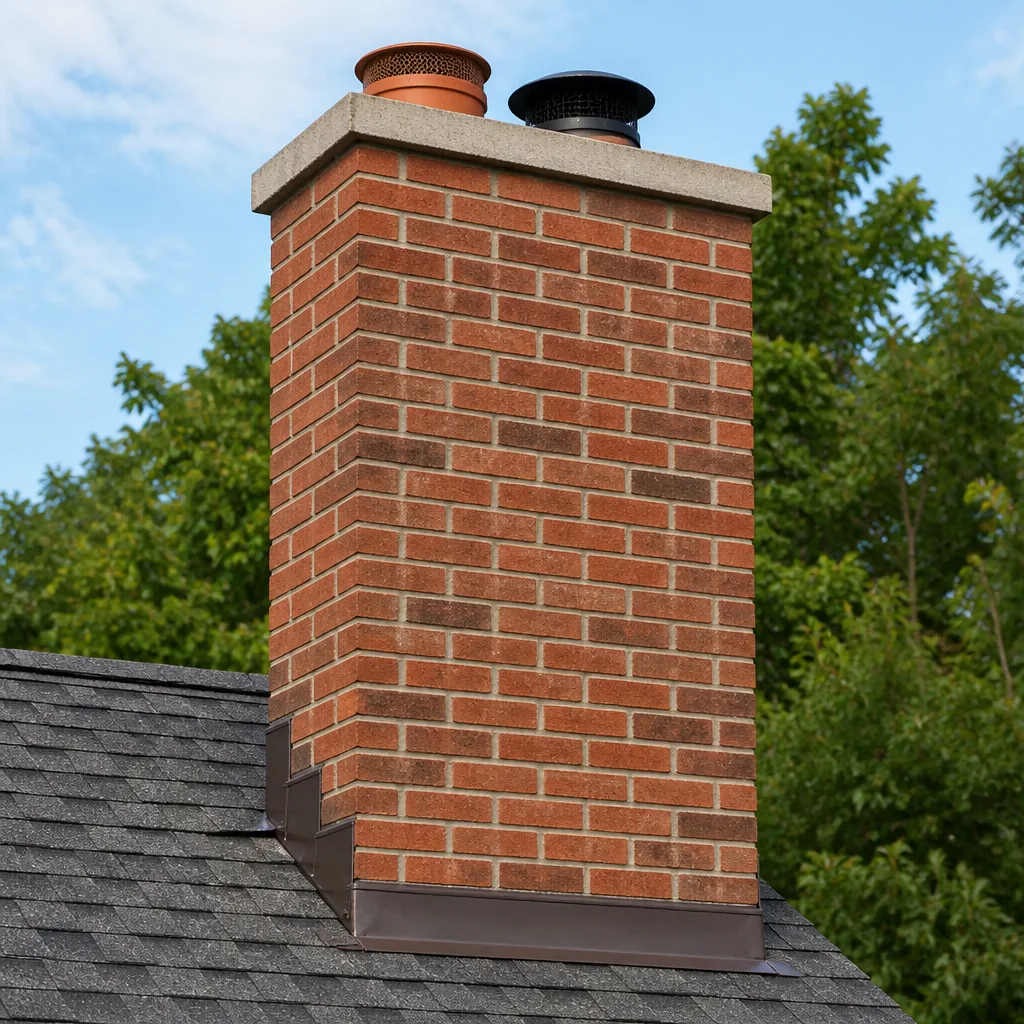 Masonry repair
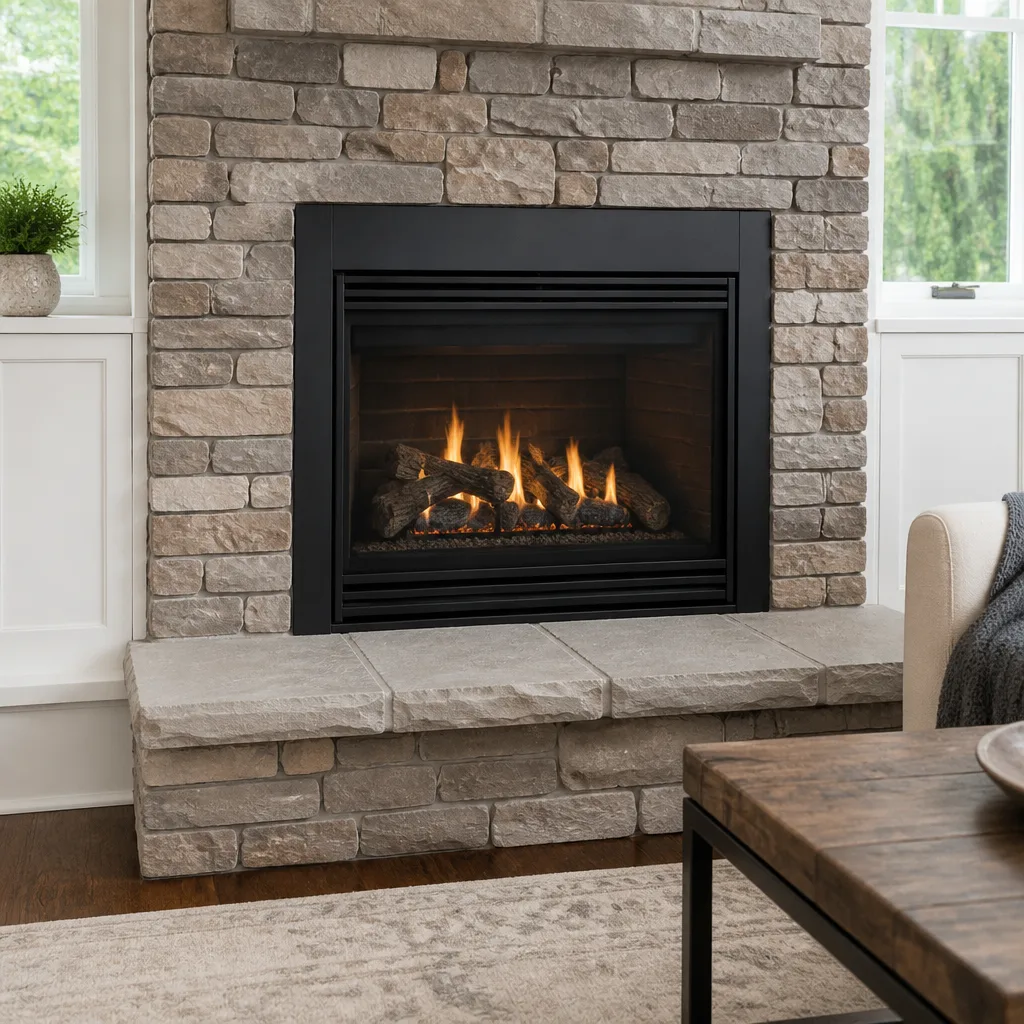 Gas fireplace service
Level 1 sweep and inspection to the NFPA 211 annual standard - flue, crown, cap, and flashing checked and photographed
Chimney sweep logs do not sweep chimneys. They loosen some creosote - which then falls where a brush and vacuum still have to collect it.
Seasonal Chimney Cleaning Care for Downtown Santa Ana: Year-Round Homeowner’s Guide
October is the worst month to schedule a chimney inspection in Santa Ana. It’s the busiest stretch of the year for sweeps, and it leaves almost no time before Santa Ana wind season pushes the first debris into flues that haven’t been looked at since spring. Most homeowners here treat the chimney as a winter appliance, something to think about when the first cold night arrives. In Downtown Santa Ana, that habit costs you. The heat, the dry winds, the brief rainy season and the long warm months between fires all leave their mark on the system. This guide breaks chimney care into four seasons so you know what to check, what to schedule and what can safely wait through the year.
Quick Answer
Chimney care in Downtown Santa Ana works best on a four-season rhythm: inspect mortar, crown and cap screens in summer, and book the pre-season sweep in late summer before the October rush; clean and verify the flue before the first fire in fall; watch for odor and moisture intrusion during winter Santa Ana wind events and rain; and inspect, waterproof and check flashing in spring after the burn season ends. A yearly professional sweep and inspection sits at the center of that calendar, and the rest is routine homeowner attention.
Styles & brands we work with
- Sweep & inspection
- Caps & crowns
- Flue relining
- Masonry repair
- Gas fireplace service
Table of Contents
- Why a Downtown Santa Ana Chimney Needs a Calendar, Not a Reminder
- Summer: Heat, Mortar and the Cap Screen Check
- Fall: Pre-Season Sweep and the Late Summer Booking Window
- Winter: Wind Events, Odor and Moisture
- Spring: Post-Season Inspection and Waterproofing
- How Santa Ana Winds Stress Your Chimney System
- Burn Season Discipline: Limiting Use in a Rarely Used Fireplace
- Keeping a Chimney Record for Landlords and Property Managers
Why a Downtown Santa Ana Chimney Needs a Calendar, Not a Reminder
Most chimney advice you’ll read was written for places with long, hard winters. Downtown Santa Ana isn’t that. The weather here runs warm and dry for most of the year, with a short rainy season and gusty wind events that arrive on their own schedule. That changes the failure pattern. Instead of freeze and thaw tearing at masonry, it’s heat and dryness that slowly open cracks in mortar and crown. Instead of snow sitting on a cap, it’s dry debris blowing into an uncapped flue. The seasonal stresses are different, so the care calendar has to be built around them.
The other local factor is the neighborhood itself. Downtown Santa Ana’s older homes and historic stock sit close together, which means a chimney fire in one structure is a concern for the next. That’s a real reason to keep the system in order, not a scare tactic. A clean flue and a sound cap protect more than your own fireplace.
A calendar also solves the biggest practical problem: timing. When you only think about the chimney in October, you’re competing with everyone else for attention in the busiest month of the year. Spread the work across the year and the deadlines stop being emergencies.
Here’s the year at a glance:
- Summer – check mortar, crown and cap screens for heat cracking and wildlife nesting.
- Fall – book the pre-season chimney sweep early, then clean out debris and verify the flue before the first fire.
- Winter – monitor odor during wind events and moisture after rain.
- Spring – post-season inspection, waterproofing on exposed masonry, and a flashing check.
If you do nothing else, put a professional sweep and inspection on the calendar once a year and build the rest of the routine around it. That single habit covers most of what goes wrong.
Summer: Heat, Mortar and the Cap Screen Check
Summer is when the chimney does its quietest damage. Long stretches of dry heat pull moisture out of mortar joints and crown material, and the daily heating and cooling cycle opens hairline cracks that widen over the season. You won’t see it from the ground. Up close, a crown that looked fine in spring can show a network of cracks by August. That’s why a summer look at the exterior masonry matters more here than in colder climates where you’d expect the damage to come from frost.
The cap screen is the second summer task. In Downtown Santa Ana, birds and other wildlife nest in the warm months, and an open or torn cap screen is an invitation. A blocked flue from a nest is a fire hazard and a draft problem at once. If you can’t see the screen clearly from the yard, have it checked.
Third on the list is the damper seal. When the fireplace isn’t in use, a damper that doesn’t close tight lets cooled air escape up the flue during air conditioning season. It’s easy to ignore if you’ve never thought about it. Run a hand near the closed damper on a hot day and feel for movement of air. If there’s a steady leak, it’s worth having the damper checked.
A simple summer routine looks like this:
- Look at the crown and chimney top with binoculars for visible cracks or crumbling edges.
- Check that the cap screen is intact and open, with no visible nesting material.
- Confirm the damper closes fully and seals.
- Clear any leaves or debris that have collected in the firebox or smoke shelf area.
- Book the pre-season sweep now for late summer or early fall.
Schedule a professional Chimney Sweep Downtown Santa Ana for the fall so the summer checks feed directly into the pre-season appointment, rather than sitting on a list you forget about.
Fall: Pre-Season Sweep and the Late Summer Booking Window
The right time to book a fall sweep in Downtown Santa Ana is late summer, before the October rush. If you’re reading this in October, you’re not too late, but you’re in the busiest stretch of the year, when crews are in highest demand and the first Santa Ana wind event may already have blown debris into an unchecked flue. The window from late August through September is calmer and gives you breathing room before the first fire.
A pre-season chimney sweep does more than clear soot. It’s the moment to clear out months of accumulated debris and to verify the smoke chamber and liner condition before the burn season starts. A sweep alone tells you nothing about cracks in the flue tiles or gaps in the liner; the inspection that goes with it does. That’s why we pair the two. The sweep cleans, the inspection documents, and together they tell you whether the system is ready for fire.
What the pre-season appointment should cover:
- Removing soot, creosote and debris from the firebox, smoke chamber and flue.
- A visual inspection of the liner from the top and firebox, aligned with NFPA 211 Level I practice.
- A check of the damper operation and smoke chamber condition.
- A look at the cap and crown for damage from the summer.
- A clear report on what’s safe, what needs attention, and what can wait.
Between the professional appointment and your first fire, walk the firebox once more. Clear any leaves or ash that have drifted in, make sure the damper opens and closes freely, and confirm there’s no obvious debris at the smoke shelf. These small checks and a pre-season sweep make the first fire of the year a calm one.
Winter: Wind Events, Odor and Moisture
Winter in Downtown Santa Ana brings the burn season, the rain, and the gusty wind events the region is known for. Each one asks something different of the chimney system.
During Santa Ana wind events, many homeowners notice a chimney smell in the house even when no fire is burning. That’s often negative draft: the pressure from the wind overhead beats the draft of an idle chimney, so air gets pushed back down the flue and carries soot and creosote odor with it. The cap helps prevent this. A properly fitted cap from a professional-supply brand like Famco or Olympia Chimney changes how air moves over the flue opening and reduces the blowback. A missing or damaged cap makes the problem worse and lets wind-driven debris drop straight into the flue.
After rain, check for moisture. Water staining on the smoke chamber or rust on the damper is a sign that the crown or flashing has opened up and water is getting in. Left alone, moisture in the chimney leads to masonry damage and liner problems that are far more expensive than the repair that would have prevented them.
During the burn season itself:
- Use dry, seasoned wood and avoid burning trash, cardboard or green wood, which leave heavy creosote.
- Keep fires moderate in a rarely used fireplace. A hot, roaring fire in a flue that hasn’t run in months stresses the liner.
- Open the damper fully before lighting and let the fire establish before closing it down.
- Notice any odor, smoke spillage or odd draft during a wind event and note it for the next appointment.
If your last pre-season appointment flagged something and you haven’t addressed it, resolve it before the first fire. Winter is not the time to be diagnosing a liner problem.
Spring: Post-Season Inspection and Waterproofing
Spring is the natural moment for the year’s most thorough look. The burn season is over, so you’re not waiting on the chimney to cool between fires, and the rainy season is wrapping up. This is when a post-season inspection earns its keep.
At the top of the list is waterproofing. Exposed masonry and crowns are porous, and after a season of heat and moisture, the surface is more vulnerable than it looks. A breathable waterproofing application on the crown and exposed brick slows water absorption without trapping moisture inside, which is the point. Seal it wrong and you create the problem you were trying to prevent, so this is a job where the product and the method both matter. Crown and cap work handled by the same team as the sweep also means one accountable contractor who sees how the whole system is behaving, not a handyman guessing at it.
Flashing is the second spring check. Winter temperature swings move the metal where the chimney meets the roof, and a flashing that has lifted or loosened lets water track down into the structure. It’s easy to spot from a careful roof-level inspection and hard to spot from the ground.
And if the post-season inspection reveals a liner issue, spring gives you the lead time to choose the right solution without a deadline. That’s when we talk through options like HeatShield liner restoration, which resurfaces an aging flue and can extend its life without the cost of a full replacement. It’s a solution most general contractors won’t present because they don’t have it; we do, and it’s often the right call. The full sweep-to-crown service, including chimney cap & crown, keeps the diagnosis and the repair with one team so nothing gets lost between vendors.
How Santa Ana Winds Stress Your Chimney System
The Santa Ana winds are the defining seasonal force in the chimney’s year, and they stress the system in three ways worth understanding.
Debris intrusion. Wind blowing across an uncapped flue picks up leaves, dust and dry plant material and carries it into the chimney. It settles on the smoke shelf and in the flue and can block it, creating a fire hazard. A fitted cap with an intact screen keeps it out, which is why cap condition matters here more than in calmer climates.
Negative draft. An idle chimney is a passive stack. When wind pressure over the top exceeds the pull of the flue, air moves backward and pushes odors into the house. That’s the familiar smell during a wind event. It’s not a sign of a dirty flue on its own, but it’s a sign the cap and the top of the system aren’t handling the airflow the way they should.
Increased fire risk. The combination of dry debris in the flue, a hot fire and strong gusting wind is where chimney fires happen. The winds don’t cause the fire, but they feed it and carry sparks. That’s why the cap, the screen and the flue condition form a single protective system, and why any one of them out of order raises the risk on a windy night.
The cap and damper are supposed to prevent all of this. A cap from a professional line like Famco or Olympia Chimney lets air move over the flue without letting debris in, and a damper that seals keeps the chimney from acting as a chimney when it isn’t being used. If you’re not sure what condition yours is in, that’s a check worth making before the next wind event.
Burn Season Discipline: Limiting Use in a Rarely Used Fireplace
Many Downtown Santa Ana homeowners use their fireplace lightly, a handful of fires on cool evenings and not much else. That’s fine, but it isn’t the same as a fireplace that runs every night. A rarely used fireplace builds creosote over a longer period, and the first hot fire of the year can be more stressful on the flue than routine use, because the liner and masonry heat quickly after months of sitting idle.
Here’s how to burn sensibly in a lightly used fireplace:
- Start with a moderate fire and let it build rather than a full load on the first light of the season.
- Use well-seasoned wood, split and dry, and avoid anything painted or treated.
- Don’t let fires burn long and hot with the damper partly closed. A slow, smoldering fire deposits more creosote.
- Give the firebox a quick look after each season for cracks in the firebrick or gaps at the smoke chamber.
- Watch for smoke that rolls back into the room, which is a sign of a draft or flue problem worth checking.
A firebox in good repair matters as much as a clean flue. Cracks in the firebrick let heat through to the surrounding structure, which is the reason fireplace repair is part of the annual conversation and not a separate problem to ignore until something fails. If a firebox crack shows up in a post-season look, get it assessed before the next season rather than at the last minute.
Keeping a Chimney Record for Landlords and Property Managers
If you manage rental property in Downtown Santa Ana, the chimney is a compliance and liability item as much as a maintenance one. A documented inspection gives you a paper trail showing that the system was assessed against a professional standard, and it makes tenant safety something you can answer for rather than hope about. Our inspections align with NFPA 211 Level I and Level II standards, so the report is documented proof of condition for each unit on file.
A working record includes:
- The date of each inspection and sweep, and what was found.
- The condition of the cap, crown, damper, smoke chamber and liner.
- Any work recommended, done, or deferred, with the reason.
- Photos or a written report you can hand to a tenant or an owner.
Keep this per property and update it every year. It answers the tenant question “is the fireplace safe to use?” and the ownership question “when was this last looked at?” without relying on memory. For landlords, a single-company relationship that handles sweep, inspection, cap work and repair keeps the record continuous and makes it harder for something to slip through.
Common Mistakes to Avoid
- Waiting for October. Booking after the rush leaves the first wind event to do its damage before your flue has been checked. Book in late summer instead.
- Skipping the inspection because the sweep looked clean. A clean flue says nothing about the liner, smoke chamber or crown. A sweep and an inspection answer different questions.
- Running a fireplace without a cap. In Downtown Santa Ana, an uncapped flue collects wind-driven debris and the draft suffers on windy nights. The cap is a first-line defense.
- Ignoring the crown and flashing until it rains. Moisture enters through the smallest cracks. Spring is the time to waterproof and check the flashing so the rainy season doesn’t find the weak point for you.
- Assuming a rarely used fireplace is safe because it’s rarely used. Creosote builds over time and the first hot fire can stress a liner that has been sitting idle. Have it checked before the season starts.
- Buying a hardware-store cap as a substitute. A cap needs to fit the flue precisely to do its job. A poorly fitted one lets wind and rain in as effectively as no cap.
- Using one handyman for the cap and another for the repair. When two vendors touch the same system, nobody owns the whole result. A single team from diagnosis to repair keeps the record clear and the work consistent.
See the difference
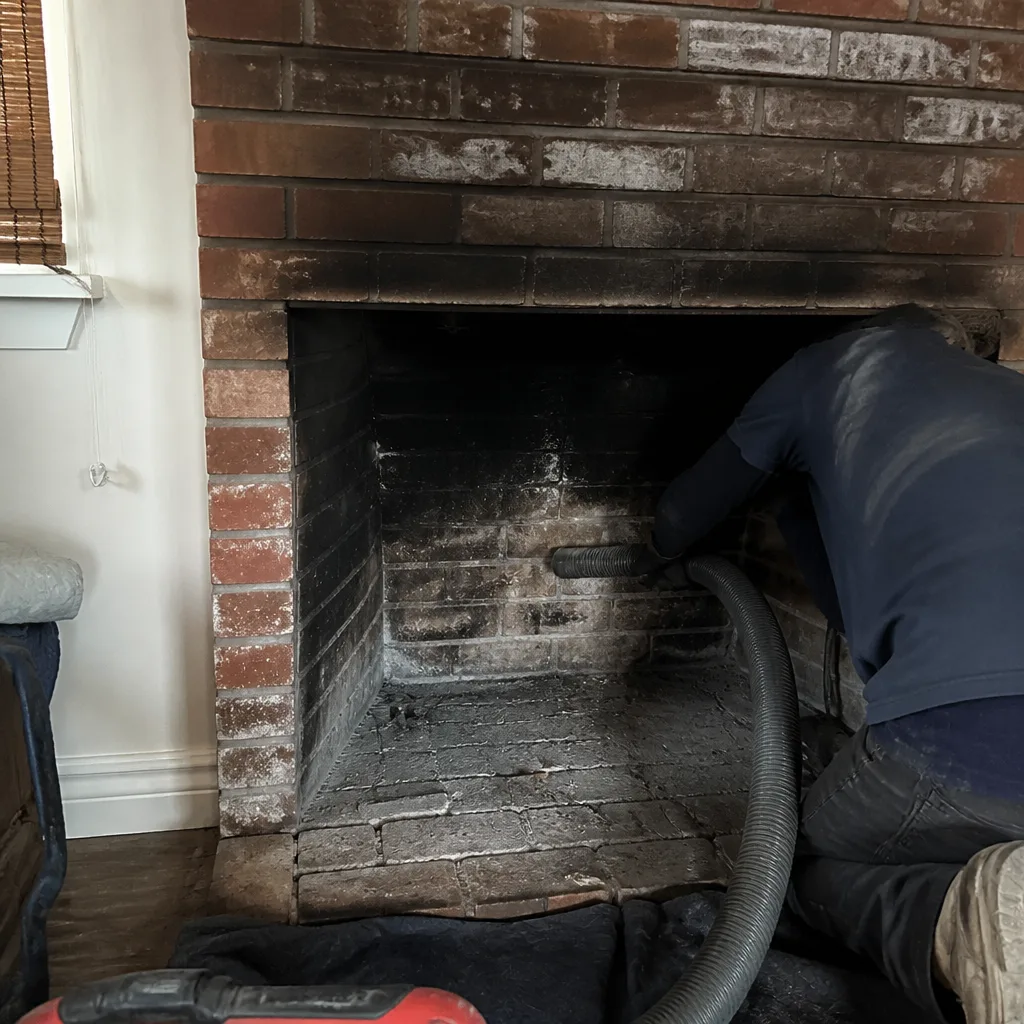 Before
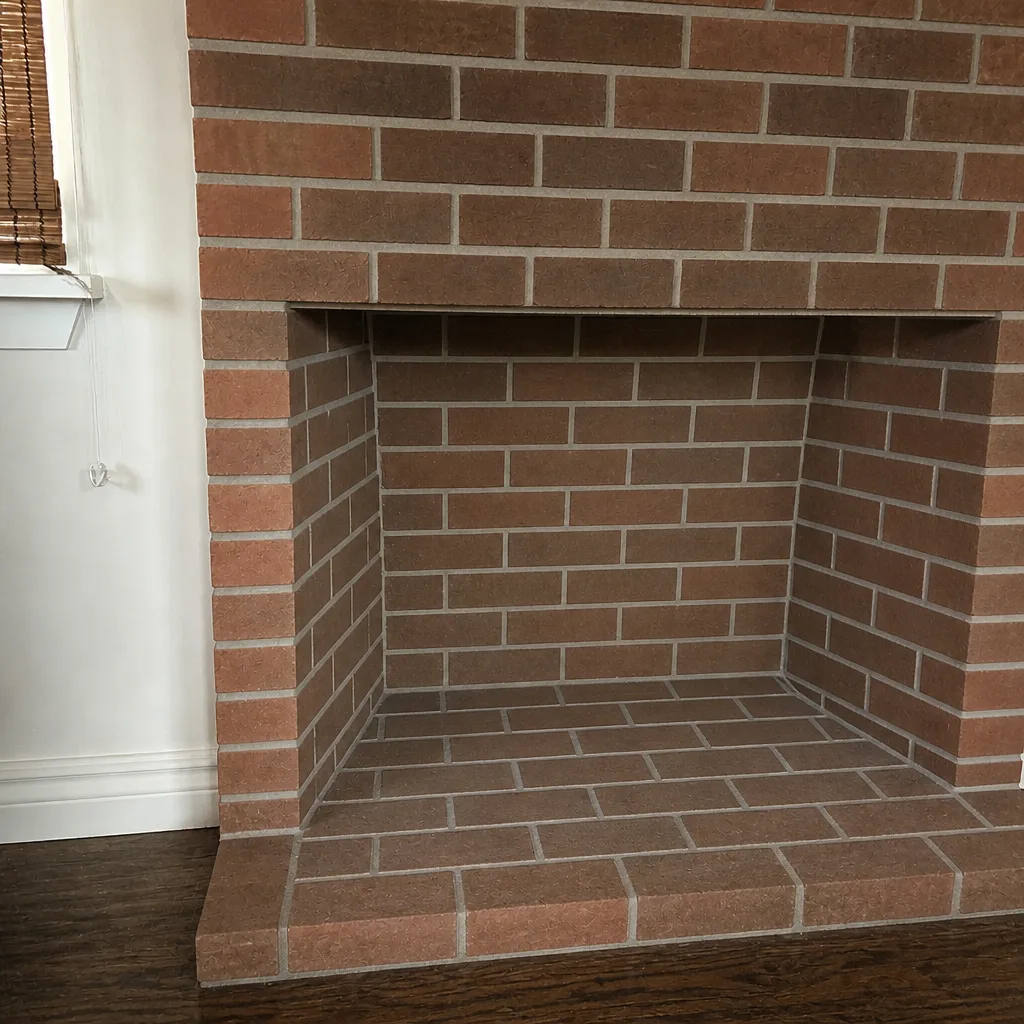 After
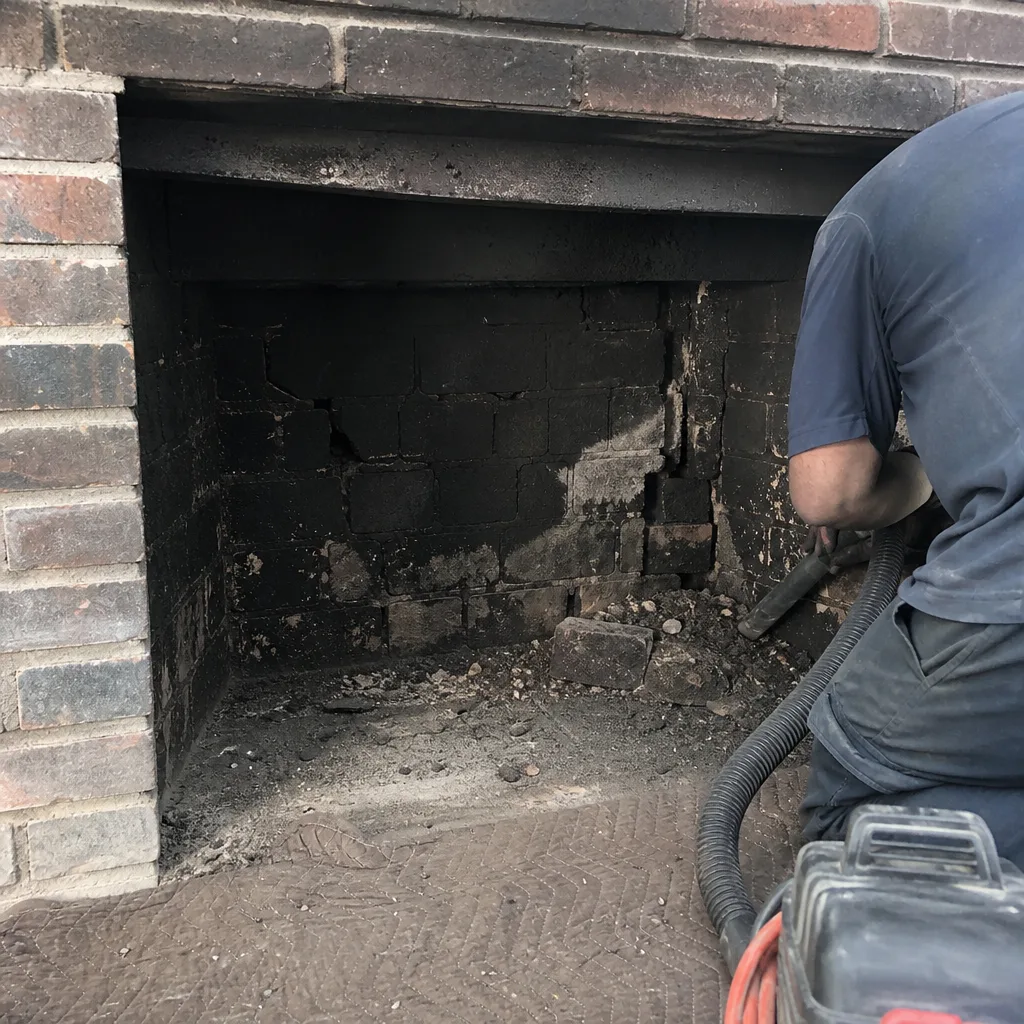 Before
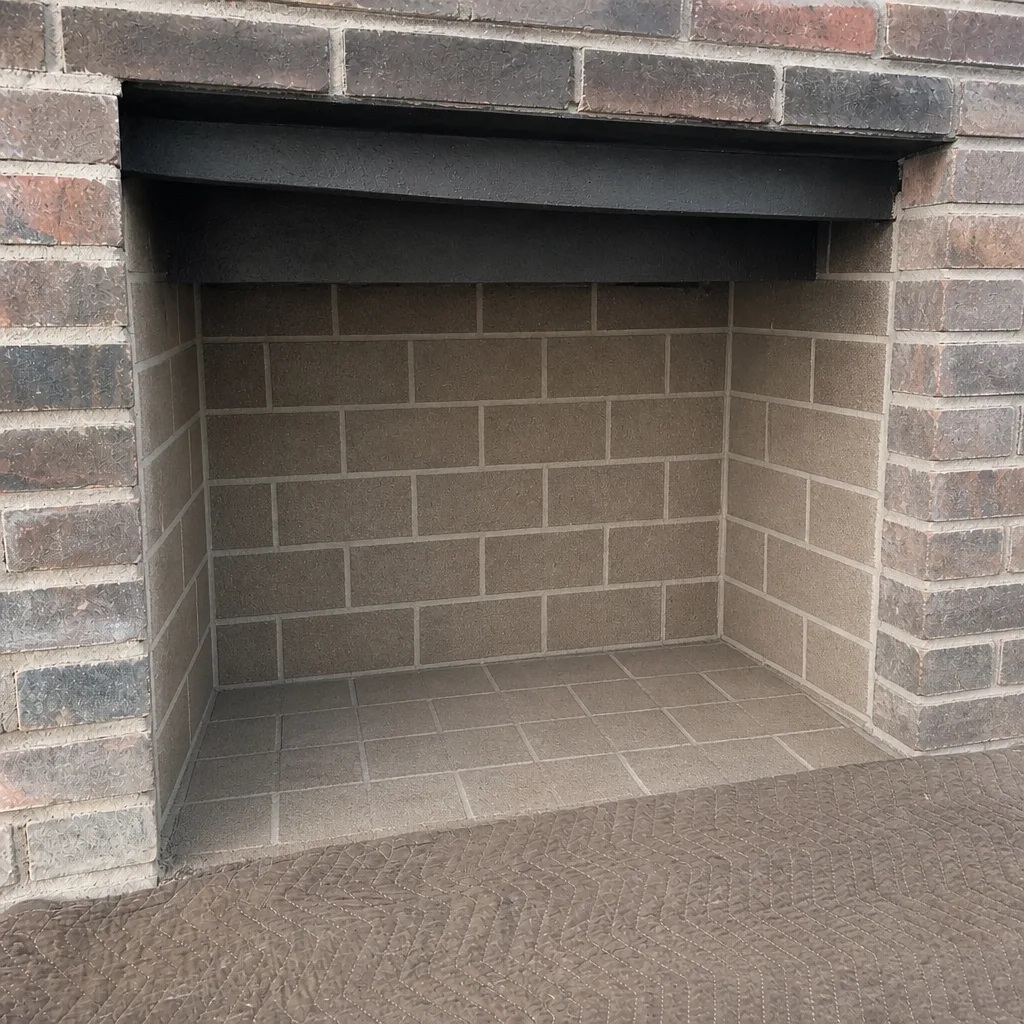 After
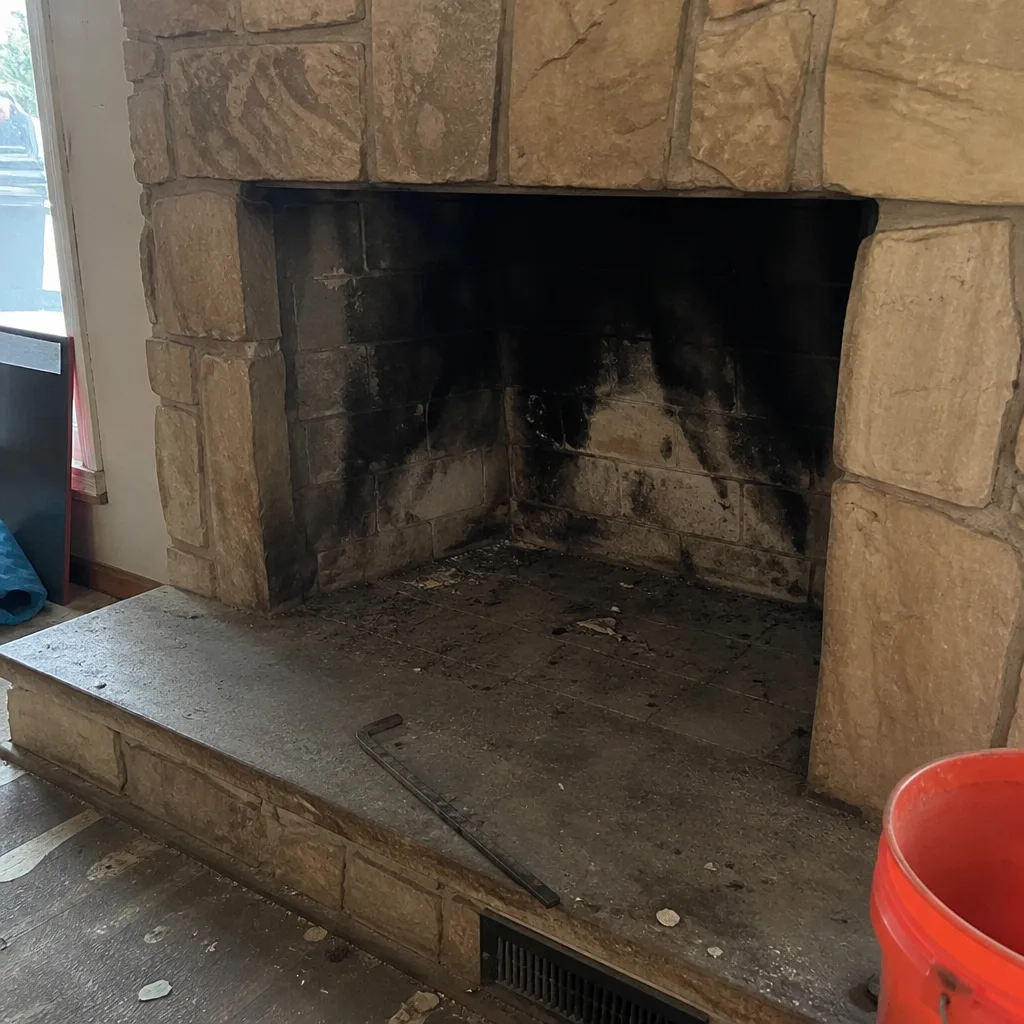 Before
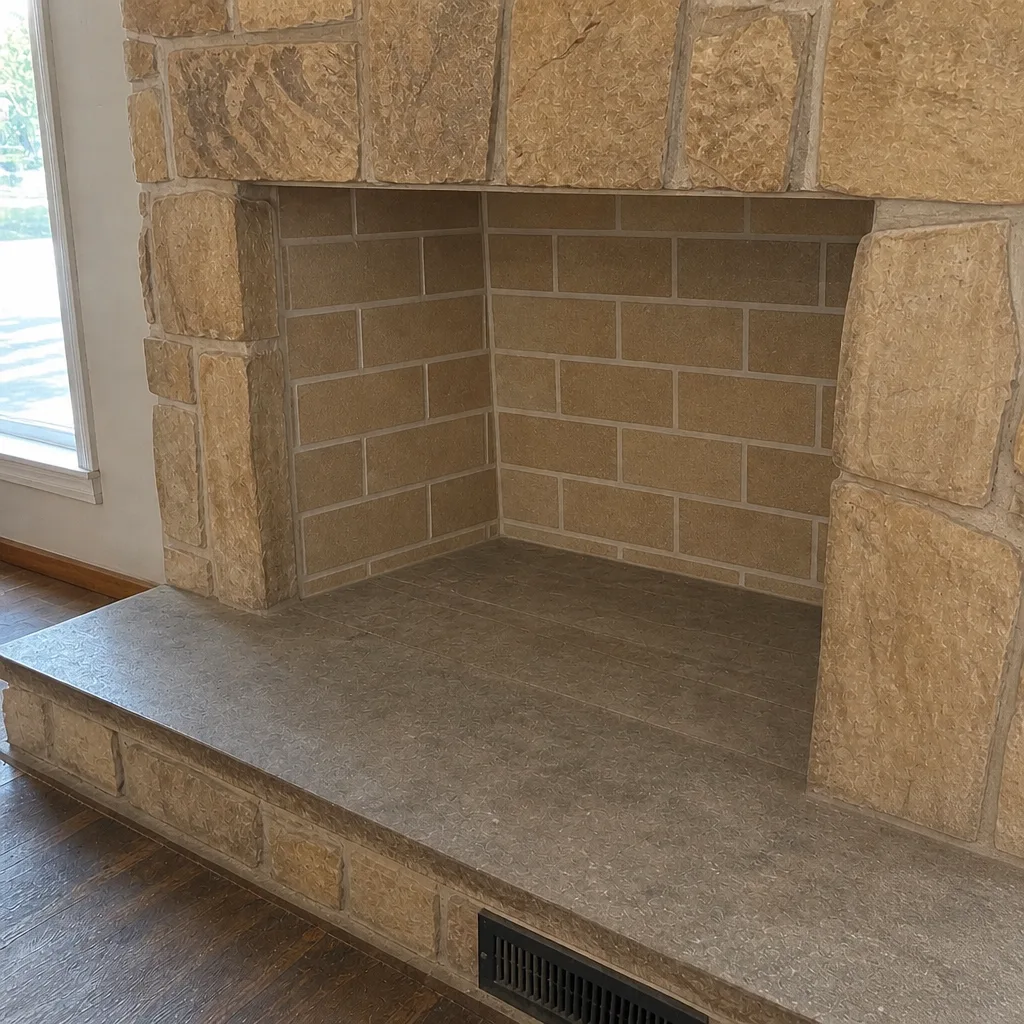 After
When to Call a Professional
Call a professional when the chimney shows any sign of structural trouble you can’t verify yourself, when the draft behaves oddly during wind events, when you see moisture staining or rust inside the firebox, or when you’re due for the annual sweep and inspection. Call before the first fire of the season if it’s been more than a year since the last appointment. Skip the smoke test and the coat-hanger trick; a camera inspection and a documented report are what tell you the truth. A trained professional handles the parts you shouldn’t guess at, including the flue, the liner and the smoke chamber. Chimney Sweep Downtown Santa Ana offers free estimates in Downtown Santa Ana, so call (866) 947-9102 to book the pre-season sweep or a spring inspection and get the year on a schedule.
Frequently Asked Questions
Once a year is the standard benchmark, and it’s the right rhythm for most Downtown Santa Ana homes, even one that only burns a few fires per season. A light-use fireplace still builds creosote over time, and the annual sweep is the moment to verify the flue and report on what needs attention. Add a sweep mid-season if you burn heavily. Call (866) 947-9102 for an exact quote; estimates are free.
Yes, in Santa Ana. October is the busiest month for sweeps and leaves the least time before the first Santa Ana wind event pushes debris into a flue that hasn’t been checked since spring. The calmer window is late summer, before the season rush. Call (866) 947-9102 to book the late summer slot and skip the October scramble.
The smell is usually negative draft: wind pressure over the flue pushes air backward down an idle chimney and brings soot and creosote odor with it. A properly fitted cap and a damper that seals reduce this. If the smell is strong or constant, the cap, damper or flue condition is worth a look. Call (866) 947-9102 to schedule an inspection and get a straight answer.
You need a new liner only if the inspection actually shows damage, and you deserve to see the evidence before you agree to anything. That’s why our inspections are documented with a camera and a clear report: what’s safe, what needs repair and what can wait. When replacement isn’t necessary, options like HeatShield liner restoration can extend an aging flue without a full replacement. Call (866) 947-9102 for a free estimate and an honest read on what you’re looking at.
Skipping care for a few years lets creosote accumulate, opens mortar and crown cracks that let water in, and allows a cap screen to tear or a nest to block the flue without anyone noticing. None of that announces itself until it becomes a fire risk or a structural repair. The annual sweep and inspection catch it early, when fixes are smaller. Call (866) 947-9102 to get the system back on a schedule.
A cap has to fit the flue opening precisely to do its job, and off-the-shelf sizing often misses. A professional-supply cap from a line like Famco or Olympia Chimney is sized to your flue and installed to weather correctly. A loose or undersized cap lets wind and debris in as quietly as no cap does. Call (866) 947-9102 to talk through sizing and a free estimate.
The Bottom Line
Chimney care in Downtown Santa Ana is a year-round habit, not a single fall appointment. Summer is for checking mortar, crown and cap screens. Fall is for booking the pre-season sweep early and cleaning out before the first fire. Winter is for watching the wind events and the rain. Spring is for the post-season inspection, waterproofing and the flashing check. A yearly professional sweep and inspection sits at the center, with the four seasonal tasks layered around it. Get on that calendar and the chimney stops being the thing you think about twice a year and becomes a system you understand.
Ready to put the year on a schedule? We handle the full chimney system, from sweep to cap and crown, with professional-grade materials from brands like DuraFlex, HeatShield and Gelco. Our technicians have up to 13 years of experience. Call (866) 947-9102 for a free estimate. We answer 24/7, with fast dispatch from 7am to 7pm, Sunday through Friday.
Written by the team at Chimney Sweep Downtown Santa Ana.